




ICYMI: Virginia Breaks Ground on Rail Projects in Alexandria
DASH Breaks Ground on First On-Route Electric Bus Chargers in D.C. Region
The fast-charging infrastructure will help extend electric bus range, improve fleet utilization, and support DASH's goal of transitioning to a fully zero-emission fleet.
June 24, 2026
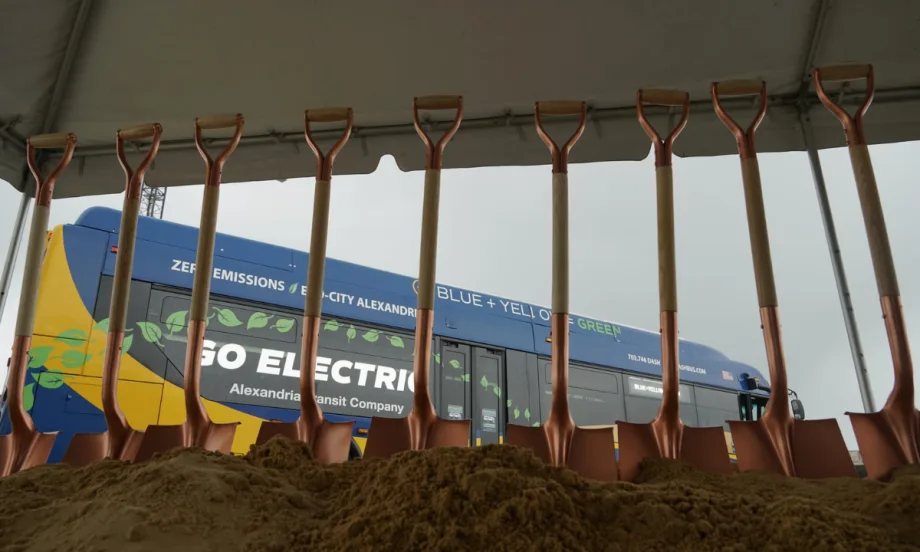
The opportunity chargers were funded through a partnership between DASH and the City of Alexandria, including more than $1 million in federal funding.
Credit:
Ryan Belmore/Alexandria Brief
3 min to read
DASH (Alexandria Transit) has begun construction on what it said are the first on-route electric bus chargers in the City of Alexandria, Northern Virginia, and the Washington, D.C., metropolitan region.
The project marks a significant milestone in DASH's transition to a 100% zero-emission fleet and supports the City of Alexandria's broader sustainability and transportation goals.
DASH marked the occasion with a groundbreaking ceremony at the West End Alexandria redevelopment site, formerly Landmark Mall. The event brought together local officials, transportation leaders, project partners, and community stakeholders.
Guest speakers included DASH General Manager and CEO Josh Baker, DASH Board Chair David Kaplan, Alexandria Mayor Alyia Gaskins, and U.S. Rep. Don Beyer.
"This project reflects years of planning and collaboration to support our transition to an all-electric fleet," Baker said. "As the first on-route electric bus chargers in Northern Virginia and the DC region, this is a monumental step toward a cleaner, quieter, and more sustainable transit system. I'm incredibly grateful to our partners and especially Congressman Beyer for helping make this possible. We at DASH are excited to see these improvements better our riders' experiences in day-to-day service."
The opportunity chargers were funded through a partnership between DASH and the City of Alexandria, including more than $1 million in federal funding secured through the Fiscal Year 2024 Consolidated Appropriations Act.
The project features two overhead pantograph chargers capable of delivering charging speeds of up to 360 kilowatts. Unlike conventional depot charging systems that can require hours to recharge a bus, the on-route chargers are designed to recharge vehicles in minutes while they remain in service.
According to DASH, the rapid-charging capability will help extend vehicle range, increase fleet utilization, improve service reliability, and reduce downtime associated with longer charging cycles. The agency said it has coordinated with bus manufacturers to ensure compatibility with both current and future battery-electric vehicles.
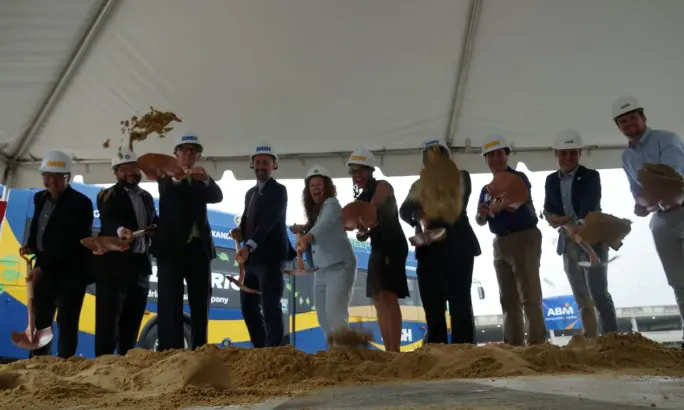
Officials broke ground on the region's first on-route electric bus charger at the West Alexandria Transit Center on Tuesday, June 23, 2026.
Credit:
Ryan Belmore/Alexandria Brief
Partners Highlight Role of Charging Infrastructure
Mayor Gaskins highlighted the project's role in advancing Alexandria's sustainability and mobility objectives.
"By investing in electric transportation infrastructure, we are expanding mobility options, reducing emissions, and creating stronger connections between residents, jobs, housing, and services," added Mayor Gaskins. "The significance of these chargers compounds on an already historic redevelopment project for West Alexandria, demonstrating how thoughtful investment can support both environmental sustainability and economic growth. Together, with DASH and our partners, we are building a cleaner, more resilient city that will benefit all Alexandrians."
Rep. Beyer emphasized the importance of federal investment in supporting fleet electrification.
"I am thrilled to celebrate the groundbreaking of this transformative project, which will provide the charging infrastructure DASH needs to support its growing electric bus fleet and meet growing operational demands," expanded Rep. Beyer. "I was proud to help secure federal funding for this project through the Congressional appropriations process and look forward to the lasting benefits it will deliver for everyone who lives, works, and travels in Alexandria."
ABM, a project partner, said the infrastructure investment reflects a growing recognition among transit agencies that charging infrastructure is critical to successful fleet electrification.
"Transit agencies like DASH are demonstrating that successful electrification starts with the right infrastructure," said Mark Hawkinson, president of technical solutions, ABM. "By investing in innovative charging solutions, DASH is building the operational foundation needed to support a more resilient, reliable, and electrified transit network for years to come."
Since adopting a goal in 2019 to transition to a fully zero-emission fleet, DASH has deployed 16 battery-electric buses and has an additional 20 vehicles funded and currently in procurement.
Construction is expected to be completed in 2027. Once operational, the charging infrastructure will support the continued expansion of DASH's electric fleet while providing greater operational flexibility and efficiency.
More Zero Emissions

Caltrain’s Electrification Drives a New Era of Ridership Growth
The railroad’s shift to electric service has brought more frequent trains, stronger customer satisfaction, and increased ridership, earning it APTA’s Outstanding Public Transportation System award.
Read More →
Building a Flexible Path to Transit Electrification with BAE's John Hroncich
John Hroncich discusses BAE Systems’ modular and scalable approach, lessons learned from decades of real-world operations, and how agencies can identify electrification strategies that fit their fleets.
Read More →
LA Metro Board Awards 220 Battery-Electric Bus Contract to ENC
The contract, which is the largest base award of battery-electric buses by a U.S. transit agency, will be built in Southern California, sustaining good jobs as LA prepares to welcome the world in 2028
Read More →
Public Transit Conference Returning to GFX in 2027, Call for Papers Now Open
The Call for Papers is now open, allowing transit agency professionals and industry experts to help shape the PTC educational program by submitting session ideas for consideration.
Read More →
Report: Transit Bus Manufacturing Supports 34,100 Jobs, $5.1B in GDP
The “Buses Mean Business” report examines the transit bus manufacturing industry’s economic footprint, supply chain, and rising demand for vehicle replacements.
Read More →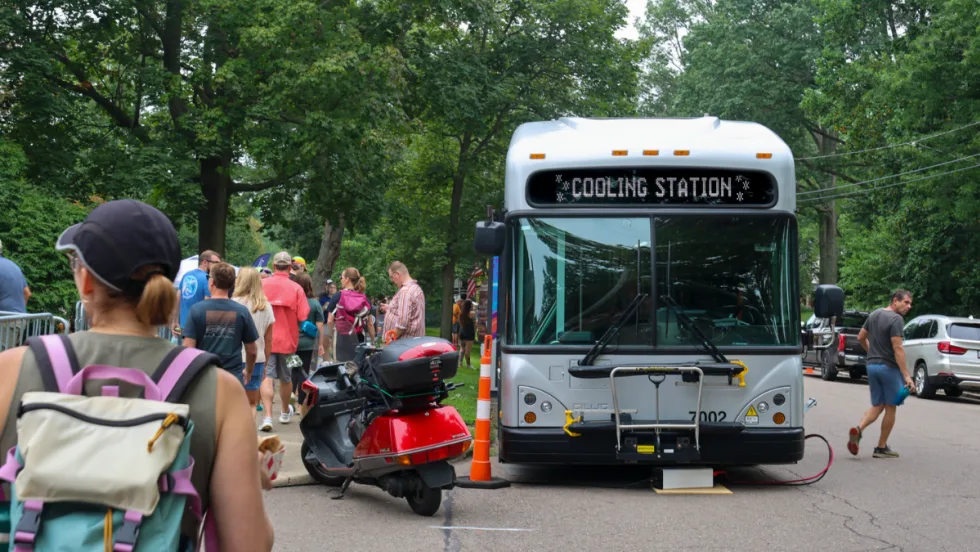
Ohio’s METRO RTA Turns Electric Buses into Mobile Power Sources at PorchROKR
See how three Gillig battery-electric buses powered festival stages while the agency’s new Park & Ride service carried approximately 1,000 attendees, demonstrating another potential use for transit agencies’ electric fleets.
Read More →
CALSTART and Forth Combine to Form Catalyst Mobility
The new name represents a renewed vision for the nonprofit focused on advancing clean, equitable, and affordable transportation solutions that move people and goods.
Read More →
Building a Flexible Path to Transit Electrification
John Hroncich discusses BAE Systems’ modular and scalable approach, lessons learned from decades of real-world operations, and how agencies can identify electrification strategies that fit their fleets.
Read More →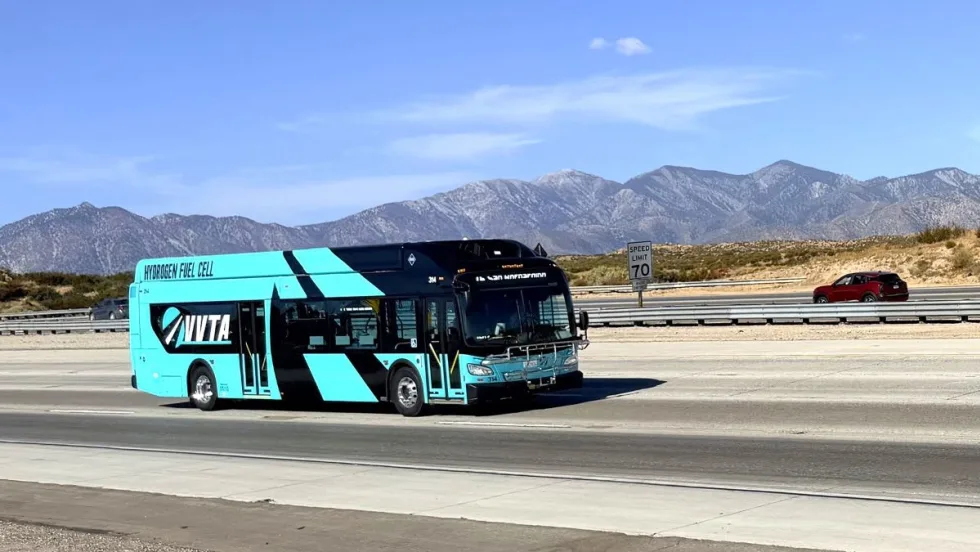
California's VVTA Begins Phased Rollout of Hydrogen Fuel Cell Buses
The agency is introducing 13 zero-emission buses into revenue service while evaluating performance across its urban, rural, and long-distance routes.
Read More →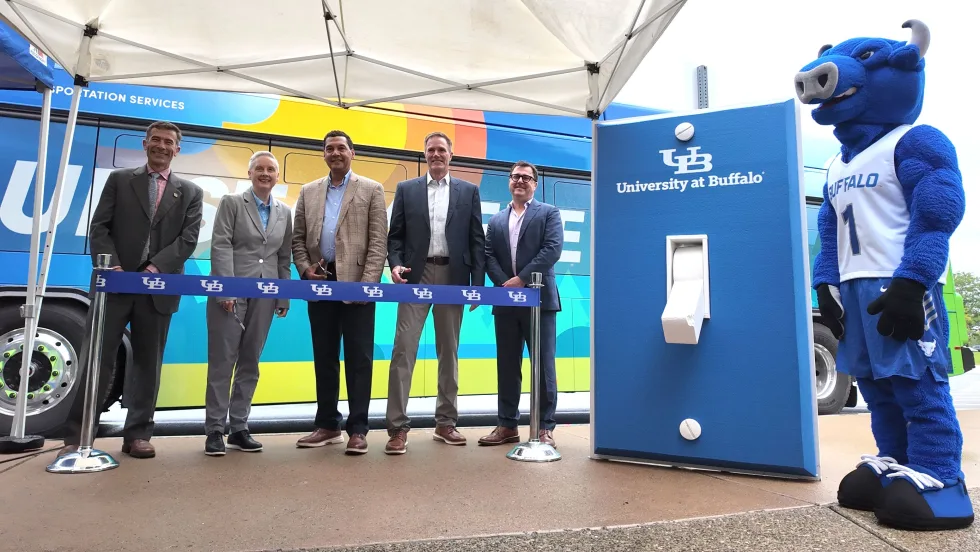
Inside Look: University at Buffalo Puts First 8 Electric Buses Into Stampede Service
UB, transportation solutions provider WeDriveU, and fleet electrification specialist Zenobē marked the deployment in the presence of students, university administrators, and local officials.
Read More →