



EPA Expands Approval Of Air Treatment Solution
Luminator to use Grignard Pure to kill 98% of COVID-19 airborne virus particles.
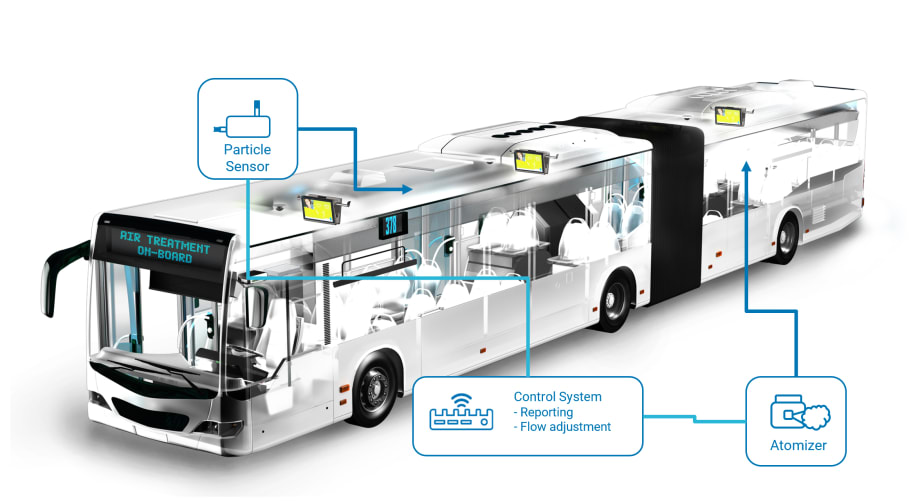
EPA approves Grignard Pure for use in Marlyand, Nevada, Pennsylvania and Texas.
Luminator
The U.S. Environmental Protection Agency (EPA) approved a Section 18 Public Health Emergency Exemption to use Grignard Pure for intrastate transportation and transit applications in Maryland, Nevada, Pennsylvania and Texas.
This antimicrobial air treatment solution allows for continuous protection against the virus that causes COVID-19, SARS-CoV-2. It is proven to hill 98% of SARS-CoV-2 virus particles in the air. The solution will be administered through Luminator Technology Group’s Renew Air Treatment System.
The emergency protection was approved for use in Georgia and Tennessee earlier this year. It applies for use in occupied and unoccupied indoor spaces when public health guidelines are hard to maintain.
Grignard Pure helps protect passengers, operators and transit employees from the spread of SARS-CoV-2 in mass transit environments. The solution is dispensed on-board transit bus and rail vehicles through Luminator’s adaptive system.
“While we continue to learn about the characteristics of this virus, ensuring the public has access to the latest information and protections plays a critical role in the recovery of both our national and local economies,” said Etienne Grignard, co-founder and CEO of Grignard Pure. “The EPA approval of Grignard Pure allows entities in these states to deploy science-based technology solutions to enhance safety. Through this partnership with Luminator, it will help protect transit riders and operators.”
Luminator’s system adjusts the amount of Grignard Pure that is dispensed as conditions change. The system still kills 98% of COVID-19 airborne virus particles.
“Over the past fifteen months or so, those of us in public and environmental health have learned much about the properties and behaviors of the virus as we continue to develop and provide best practices for stopping the spread,” said Thomas Hodge, former CDC director of immunogenetics. “We know now with certainty that the virus is airborne, and an antimicrobial air treatment solution is needed to combat the virus particles. I’ve had the opportunity to work closely with the Grignard Pure team to assure the effectiveness of the solution can help society restore the social, cultural and business norms we enjoyed pre-pandemic.”
More Security and Safety
What Transit Maintenance Facilities Should Know About Gas-Detection Placement
Proper gas-detector placement is critical to maintaining safety in transit maintenance facilities, requiring agencies to consider fleet fuel types, ventilation, shop operations, and ongoing equipment maintenance.
RTC Reports Nearly 29% Drop in Transit Operator Assaults
The Las Vegas agency credits expanded security measures, training, and technology for improved safety in FY 2026, while security officers have helped save 19 lives through overdose-response efforts.

Improving Transit Safety and Reliability Through AI
Hayden AI’s Chief Growth Officer, Charley Territo, discusses how AI-powered camera enforcement is helping transit agencies keep bus lanes and stops clear, improve accessibility, and move from pilot programs to full-scale deployments.

Study: Denver RTD Generates $2.1 Billion in Annual Economic Activity
An economic impact study finds the agency supports approximately 17,500 jobs, delivers $1.6 billion in annual community and mobility benefits, and generates $2.42 in economic value for every dollar invested.

SEPTA Launches 'Reach' Program to Connect Vulnerable Individuals with Support
The initiative deploys specialists throughout Philadelphia’s transit system to connect individuals with housing, healthcare, and social services while addressing safety and quality-of-life concerns.

LADOT to Launch Bus-Mounted Camera Enforcement on DASH Buses
The program will begin with a 60-day warning period before citations are issued in January 2027, joining similar efforts across Southern California to improve bus reliability, safety, and accessibility.
New York MTA Launches Historic $1.9B Signal, Track Modernization Project
Funded in part by congestion pricing revenue, the project will replace nearly century-old signals along the A and C lines in Brooklyn and Queens.

CSA Group Releases Climate Resilience Standard for Transit, Passenger Rail
Developed with support from the Standards Council of Canada, CSA D700 guides assessing climate-related risks and planning adaptation measures for transit and passenger rail systems.
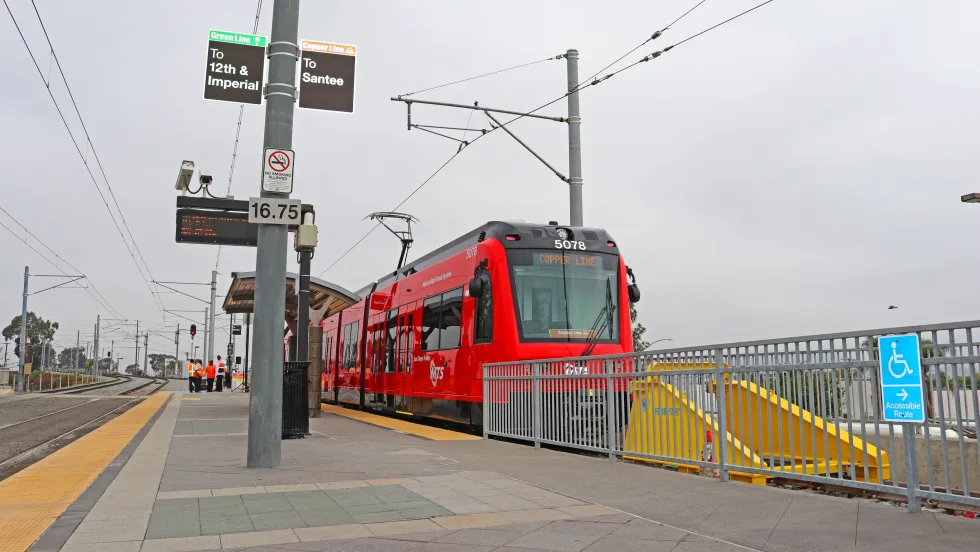
San Diego MTS Approves New Fare Evasion Penalty Program
The new administrative process will move eligible violations out of the criminal court system, cap penalties at $125, and provide flexible payment options for riders.
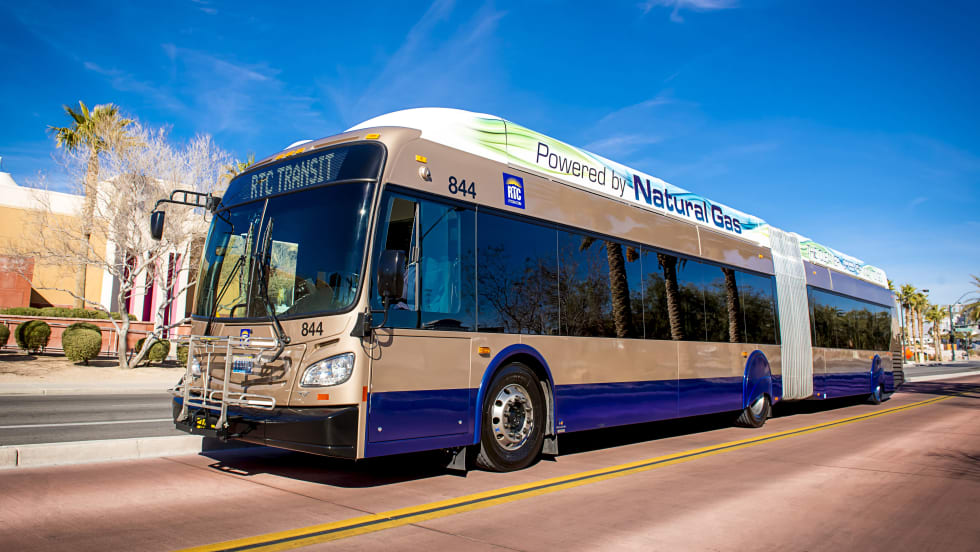
RTC of Southern Nevada Reports 29% Drop in Transit Operator Assaults
The agency credits expanded security measures, employee training, and technology investments for improvements in transit safety, while security officers have responded to 19 suspected overdoses since July.