



California's GCTD to Pilot Hydrogen Fuel-Cell Buses
In 2018, GCTD adopted its zero-emissions policy, which directs staff to prioritize zero (and near-zero) emissions when replacing vehicles.
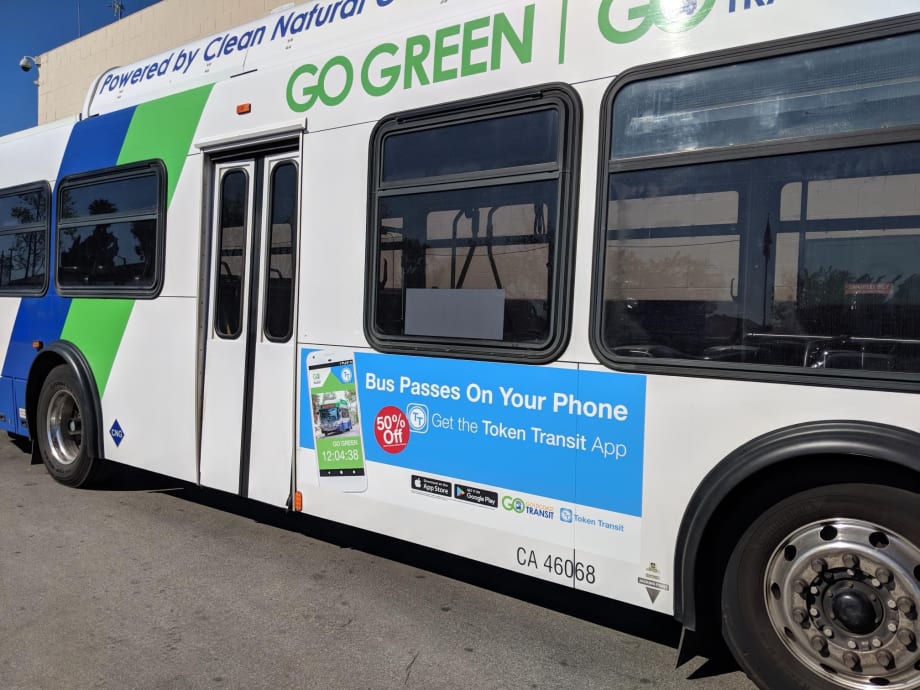
In its quest to provide cleaner transportation, Gold Coast has tested and run several other propulsion systems, including natural gas.
Gold Coast Transit
Ventura County, Calif.’s Gold Coast Transit District (GCTD) will host a demonstration of a hydrogen fuel-cell bus in early June. The bus, made by New Flyer, will be at GCTD’s operations and maintenance site to be test-driven on several routes over those two days.
While GCTD’s Zero-Emission Transition Plan is still under development, GCTD must strategically decide which type of technology would work best under local operating conditions. There are currently two types of zero emission buses commercially available: battery electric vehicle (BEV) buses, and hydrogen fuel cell electric buses. After thorough analysis of routes and terrain facilitated by project consultant Stantec Inc., GCTD chose to pursue the hydrogen fuel cell electric bus due to its range capability and fueling process. A hydrogen fuel cell bus can travel up to 350 miles on a single refueling and requires no off-board electric recharging, according to the agency.
Unlike buses that run on fossil fuels, a hydrogen fuel cell electric bus is powered by two of earth's most basic components —oxygen and hydrogen. Hydrogen fuel cells produce electricity by combining hydrogen and oxygen atoms. The hydrogen reacts with oxygen across an electrochemical cell similar to that of a battery to produce electricity, water, and small amounts of heat. The electric current is used to power the batteries, which ultimately power the buses.
“We are excited about the potential for hydrogen fuel cell technology and look forward to testing the bus for a few days to give our employees and passengers a glimpse into our zero-emission future,” said GCTD GM Vanessa Rauschenberger.
In 2018, GCTD adopted its zero-emissions policy, which directs staff to prioritize zero (and near-zero) emissions when replacing vehicles. GCTD is currently developing a grant application for funding to purchase five hydrogen fuel cell buses and upgrade its current facility to incorporate hydrogen fueling through the Federal Transit Administration’s (FTA) Low or No Emission and Bus Program for Buses and Bus Facilities Program. If awarded, the grant will also provide funding for extensive safety and technical training for GCTD employees in zero emission heavy-duty technology, hydrogen safety, fueling, and operations and maintenance. To date, staff has collected 29 letters of support from local elected leaders, stakeholders, businesses, and community organizations from around the county, expressing their support for GCTD’s zero emissions plan and adoption of hydrogen fuel cell technology.
More Zero Emissions

Public Transit Conference Returning to GFX in 2027, Call for Papers Now Open
The Call for Papers is now open, allowing transit agency professionals and industry experts to help shape the PTC educational program by submitting session ideas for consideration.
Read More →
Report: Transit Bus Manufacturing Supports 34,100 Jobs, $5.1B in GDP
The “Buses Mean Business” report examines the transit bus manufacturing industry’s economic footprint, supply chain, and rising demand for vehicle replacements.
Read More →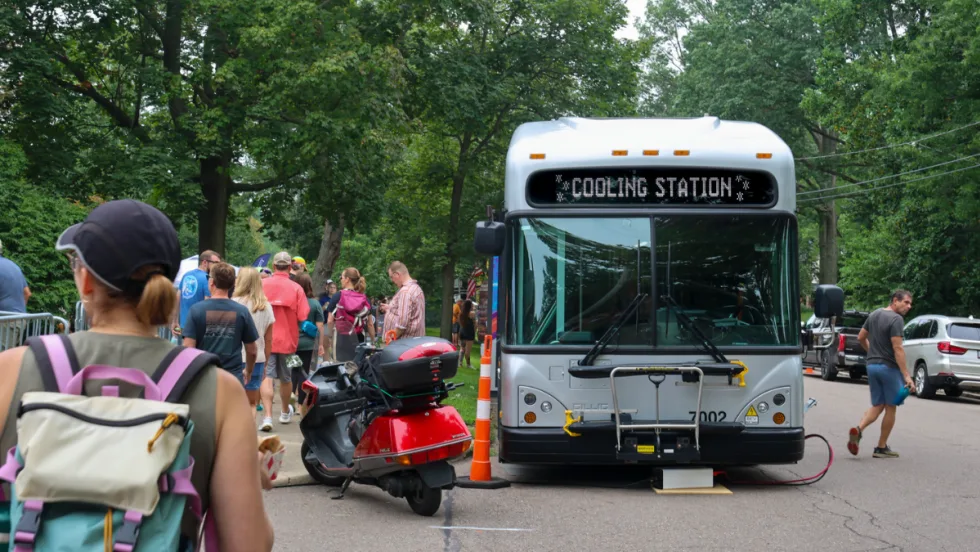
Ohio’s METRO RTA Turns Electric Buses into Mobile Power Sources at PorchROKR
See how three Gillig battery-electric buses powered festival stages while the agency’s new Park & Ride service carried approximately 1,000 attendees, demonstrating another potential use for transit agencies’ electric fleets.
Read More →
CALSTART and Forth Combine to Form Catalyst Mobility
The new name represents a renewed vision for the nonprofit focused on advancing clean, equitable, and affordable transportation solutions that move people and goods.
Read More →
Building a Flexible Path to Transit Electrification
John Hroncich discusses BAE Systems’ modular and scalable approach, lessons learned from decades of real-world operations, and how agencies can identify electrification strategies that fit their fleets.
Read More →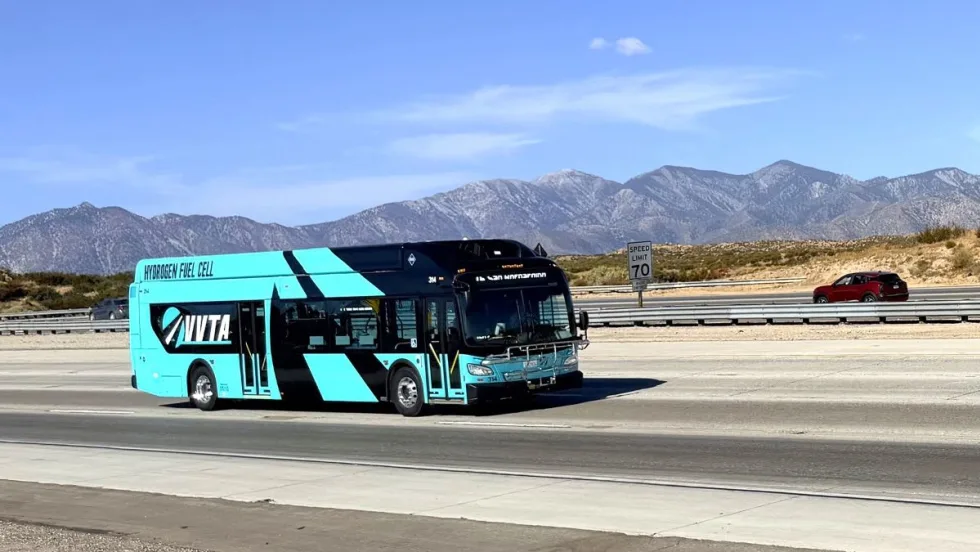
California's VVTA Begins Phased Rollout of Hydrogen Fuel Cell Buses
The agency is introducing 13 zero-emission buses into revenue service while evaluating performance across its urban, rural, and long-distance routes.
Read More →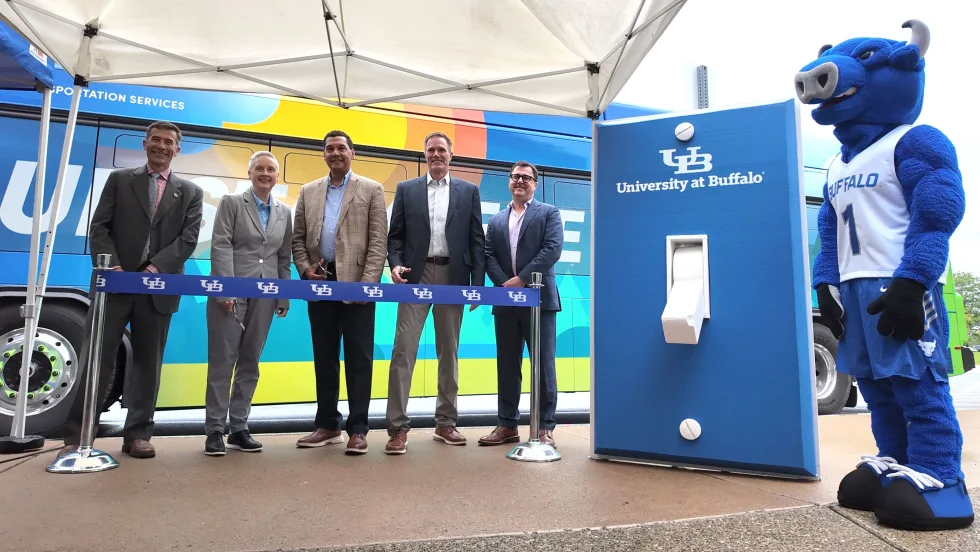
Inside Look: University at Buffalo Puts First 8 Electric Buses Into Stampede Service
UB, transportation solutions provider WeDriveU, and fleet electrification specialist Zenobē marked the deployment in the presence of students, university administrators, and local officials.
Read More →
Biz Briefs: OCTA Taps Clean Energy for Hydrogen Station, Stadler to Supply Via Rail Vehicles, and More
From manufacturers and suppliers to transit agencies and motorcoach operators, these updates offer a snapshot of the projects, partnerships and business moves driving the industry forward.
Read More →
AC Transit’s Cecil Blandon on Building the Next Generation of Transit Maintenance Leaders
The agency’s maintenance chief discusses leadership, workforce development, zero-emission technology, and preparing technicians for the future of public transportation.
Read More →
CTDOT Taps STV for Electric Bus Facility Design
The firm will work with CTDOT and RVT to define the facility layout, operational requirements, and long-term flexibility for RVT’s growing electric fleet.
Read More →