




Looking Back: N.Y. to Use $11M VW Funds to Expand EV Charging Stations
New York Awards $4.5M for Zero-Emission Microtransit and Bike Access Projects
NYSERDA funding will support electric microtransit and secure bike storage to improve first- and last-mile connections across downstate New York.
March 13, 2026
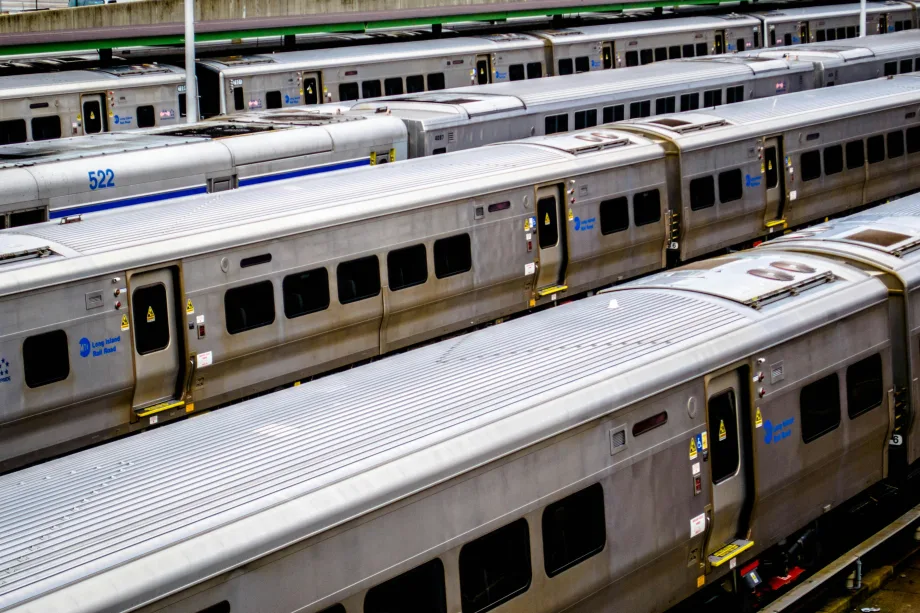
The Metropolitan Transportation Authority was awarded over $1.5 million to install and operate internet-enabled, enclosed bike racks at the commuter rail stations.
Credit:
Candid Flaneur
3 min to read
New York State is investing millions to close transit gaps with cleaner mobility options, funding projects that connect commuters to the larger community.
The New York State Energy Research and Development Authority (NYSERDA) recently announced over $4.5 million in funding awarded to two projects that will enhance zero-emission transportation connections in downstate New York.
Through the State’s Clean Mobility Program, the Metropolitan Transportation Authority (MTA) and Westchester County will launch affordable, on-demand electric micro mobility options and rideshare services to “improve first and last mile connections, serve transportation deserts, and connect more New York commuters and residents to jobs and local services.”
“New York State’s investment to expand community access to clean transportation will help more New Yorkers meet their daily needs and connect to local amenities and jobs in the region,” said NYSERDA President and CEO Doreen M. Harris. “The partnerships forged here with the MTA and Westchester County include zero-emission projects such as bike storage and rideshare services in multiple locations to provide affordable and flexible mobility choices.”
The recent announcement signals the progress made through the Clean Mobility Program, launched in June 2024, which has awarded $2.9 million in planning grants to 29 community-led projects to enhance planning for shared electric transportation solutions in New York.
In July 2025, Governor Kathy Hochul announced over $21 million in funding for a second round of product demonstrations, with awards expected to be announced in the summer of 2026.
More on the Clean Mobility Program
NYSERDA’s Clean Mobility Program competitively awards funding to local governments, transit operators, and community-based organizations for demonstration projects that expand access to innovative clean mobility options, including electric bicycles (e-bikes), electric scooters, on-demand electric vehicle (EV) rideshares or services, and charging hubs to support those services.
The awarded projects include service in disadvantaged communities, as defined by the New York State Climate Justice Working Group, and all projects are required to comply with New York State safety standards, such as being UL-certified, and state and local transportation regulations.
The awarded projects include:
- The Metropolitan Transportation Authority was awarded over $1.5 million to install and operate internet-enabled, enclosed bike racks at the commuter rail stations so riders can securely store bikes and e-bikes. NYSERDA said these innovative bike racks will be piloted at up to eight commuter rail stations across the MTA’s Metro North and Long Island Rail Road service areas, including sites in Dutchess County, Suffolk County, and Westchester County.
- Westchester County was awarded $3 million to demonstrate a zero-emission, on-demand microtransit service accommodating up to five electric vehicles in Peekskill. The new shuttle service aims to provide faster, more direct, and more reliable access to workplaces and community destinations, as well as improved connections to Metro-North train service and the Bee-Line bus network.
These projects are in addition to $3 million awarded to the New York City Department of Transportation in December 2025 to provide electrical connections for safe and secure public e-bike charging, plus one year of secure public e-bike parking operations at locations in Manhattan, Queens, Brooklyn, and the Bronx.
“Investing in cleaner vehicles and flexible transit options will help ensure that transportation in Westchester is more accessible, sustainable, and responsive to the needs of our residents,” Westchester County Executive Ken Jenkins said.
“Effective policy solutions should align with and enhance the existing fabric of daily life inside of communities, and today’s funding announcement by NYSERDA is recognition of that principle,” said New York State Department of Public Service CEO Rory M. Christian.
More Zero Emissions

Report: Transit Bus Manufacturing Supports 34,100 Jobs, $5.1B in GDP
The “Buses Mean Business” report examines the transit bus manufacturing industry’s economic footprint, supply chain, and rising demand for vehicle replacements.
Read More →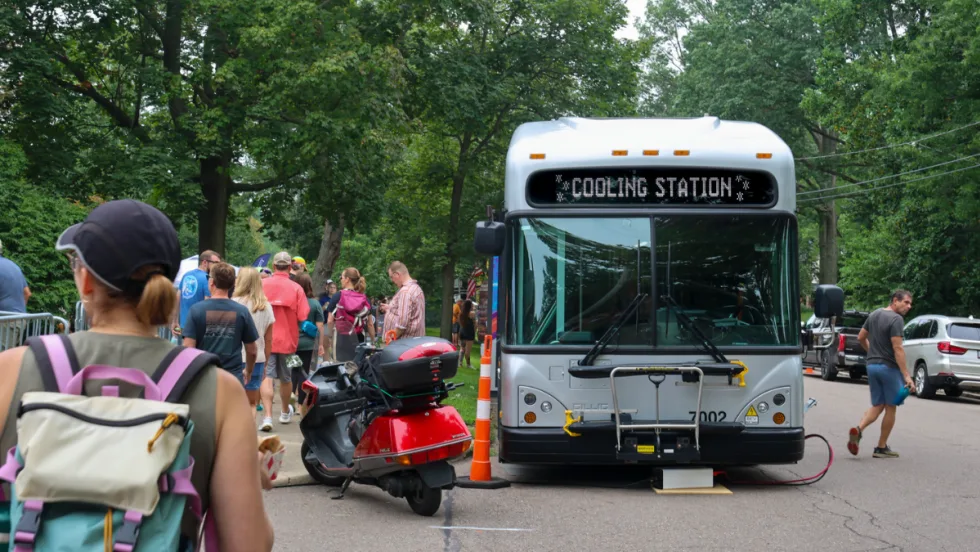
Ohio’s METRO RTA Turns Electric Buses into Mobile Power Sources at PorchROKR
See how three Gillig battery-electric buses powered festival stages while the agency’s new Park & Ride service carried approximately 1,000 attendees, demonstrating another potential use for transit agencies’ electric fleets.
Read More →
CALSTART and Forth Combine to Form Catalyst Mobility
The new name represents a renewed vision for the nonprofit focused on advancing clean, equitable, and affordable transportation solutions that move people and goods.
Read More →
Building a Flexible Path to Transit Electrification
John Hroncich discusses BAE Systems’ modular and scalable approach, lessons learned from decades of real-world operations, and how agencies can identify electrification strategies that fit their fleets.
Read More →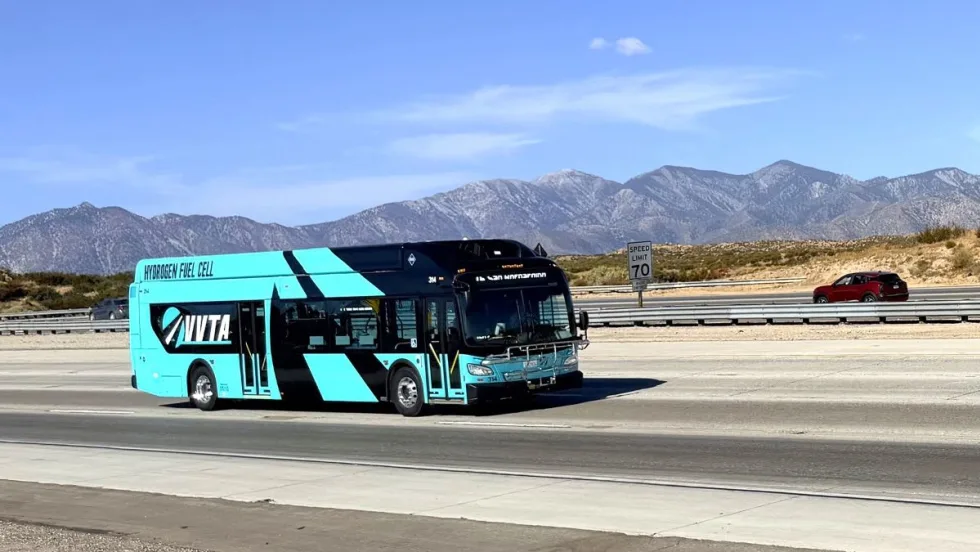
California's VVTA Begins Phased Rollout of Hydrogen Fuel Cell Buses
The agency is introducing 13 zero-emission buses into revenue service while evaluating performance across its urban, rural, and long-distance routes.
Read More →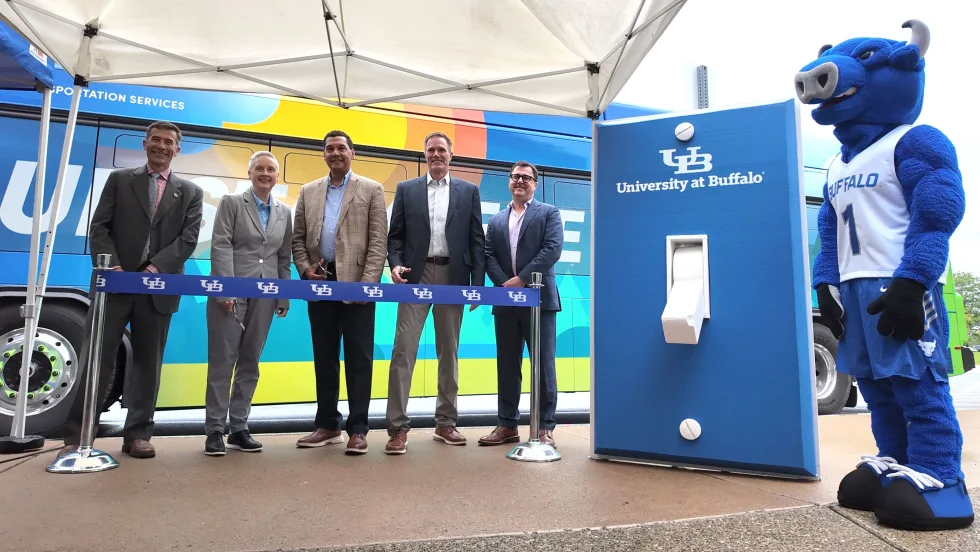
Inside Look: University at Buffalo Puts First 8 Electric Buses Into Stampede Service
UB, transportation solutions provider WeDriveU, and fleet electrification specialist Zenobē marked the deployment in the presence of students, university administrators, and local officials.
Read More →
Biz Briefs: OCTA Taps Clean Energy for Hydrogen Station, Stadler to Supply Via Rail Vehicles, and More
From manufacturers and suppliers to transit agencies and motorcoach operators, these updates offer a snapshot of the projects, partnerships and business moves driving the industry forward.
Read More →
AC Transit’s Cecil Blandon on Building the Next Generation of Transit Maintenance Leaders
The agency’s maintenance chief discusses leadership, workforce development, zero-emission technology, and preparing technicians for the future of public transportation.
Read More →
CTDOT Taps STV for Electric Bus Facility Design
The firm will work with CTDOT and RVT to define the facility layout, operational requirements, and long-term flexibility for RVT’s growing electric fleet.
Read More →
Chicago’s Pace Deploys 24 Hybrid-Electric Buses in Will County
The new buses reduce emissions and fuel consumption while advancing the agency's long-term goal of transitioning to a fully zero-emission fleet.
Read More →