




From 2023: Transit Celebrates Earth Day
Transit Agencies Mark 2026 Earth Day with Free Rides, Sustainability Initiatives
Agencies from California to New York offered fare-free rides, community cleanups, and new tools to showcase transit’s role in cutting emissions.
April 23, 2026
Transit agencies across the U.S. marked Earth Day 2026 by offering free rides to encourage public transportation use.
Credit:
Sound Transit/METRO
3 min to read
Transit agencies across the U.S. celebrated Earth Day 2026 with fare-free service, sustainability messaging, and new tools to highlight the environmental and economic benefits of public transportation.
In California, multiple agencies encouraged riders to leave their cars at home by offering free service on Earth Day, observed annually on April 22.
The Orange County Transportation Authority (OCTA) provided complimentary rides on all OC Bus routes, aiming to reduce traffic congestion and improve air quality while encouraging residents to make transit part of their daily routine. OCTA noted its fleet already runs on clean natural gas, with a transition underway toward a fully zero-emission fleet.
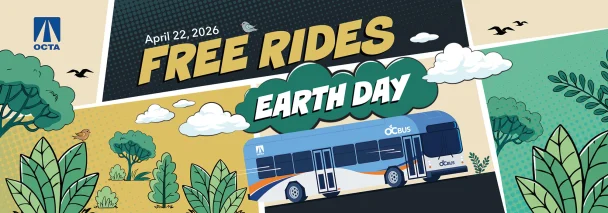
OCTA provided complimentary rides on all OC Bus routes, encouraging residents to make transit part of their daily routine.
Credit:
Orange County Transportation Authority
Metrolink also waived fares systemwide for the day, allowing riders to board any train without a ticket.
“Earth Day is a reminder that small changes, like choosing public transit over driving one day a week, can have a meaningful impact on our environment,” Metrolink Board Chair Doug Chaffee said. “As high gas prices continue to put a strain on communities across the region, we encourage Southern Californians to ride for free on April 22 and discover the ease of climbing aboard one of our trains to get where they’re going.”
To further highlight transit’s environmental impact, Metrolink promoted its Personal Impact Calculator, which allows riders to estimate greenhouse gas reductions and fuel savings when choosing rail over driving.
LA Metro joined the effort by offering free rides across its bus, rail, Bike Share, and Metro Micro services. The agency emphasized that public transportation can significantly reduce emissions, noting that regular transit riders have, on average, a 45% lower carbon footprint than car commuters. Metro also released a limited-edition bamboo TAP card made from a renewable resource to mark the occasion.
From Charlotte to Seattle to Kansas City to New York
In North Carolina, Charlotte Area Transit System (CATS) made all services free for Earth Day, encouraging both current and new riders to “give the Earth a break and utilize transit” while promoting a more resilient environment.
In the Pacific Northwest, Sound Transit used Earth Month to highlight the long-term environmental benefits of transit use and expansion. The agency stressed that public transportation is one of the most effective ways to reduce environmental impact, noting that every trip taken by bus or rail helps cut air and water pollution. Sound Transit is also advancing sustainability through system expansion and technology, including battery-electric buses for its Stride bus rapid transit service and electrified Link light rail. New infrastructure is being built to LEED Gold standards, and recent projects have earned top sustainability recognitions.
In the Midwest, the Kansas City Area Transportation Authority (KCATA) marked Earth Day through community engagement, partnering with local organizations as part of its Adopt-A-Stop program. KCATA staff, including executives and bus operators, joined volunteers to pick up litter at designated bus stops across Kansas City. The initiative highlights how businesses, schools, and community groups can take an active role in maintaining bus stops and supporting a more sustainable environment.

New York's Metropolitan Transportation Authority shared new projections for its proposed Interborough Express (IBX) light rail line, estimating it could eliminate 21.8 million miles of passenger vehicle travel annually.
Credit:
Marc A. Hermann/MTA
Meanwhile, the Metropolitan Transportation Authority (MTA) in New York used Earth Day to highlight the long-term environmental benefits of transit expansion. The agency shared new projections for its proposed Interborough Express (IBX) light rail line, estimating it could eliminate 21.8 million miles of passenger vehicle travel annually and reduce greenhouse gas emissions by more than 13,000 metric tons each year.
“On this Earth Day, we want to make sure these folks know that soon there will be a better, faster, and more climate-friendly way to travel between Brooklyn and Queens,” said MTA Chair and CEO Janno Lieber.
Across agencies, the message was consistent: whether through fare-free promotions, new tools, or long-term investments, public transit remains a key strategy for reducing emissions, improving air quality, and providing more sustainable mobility options.
More Zero Emissions
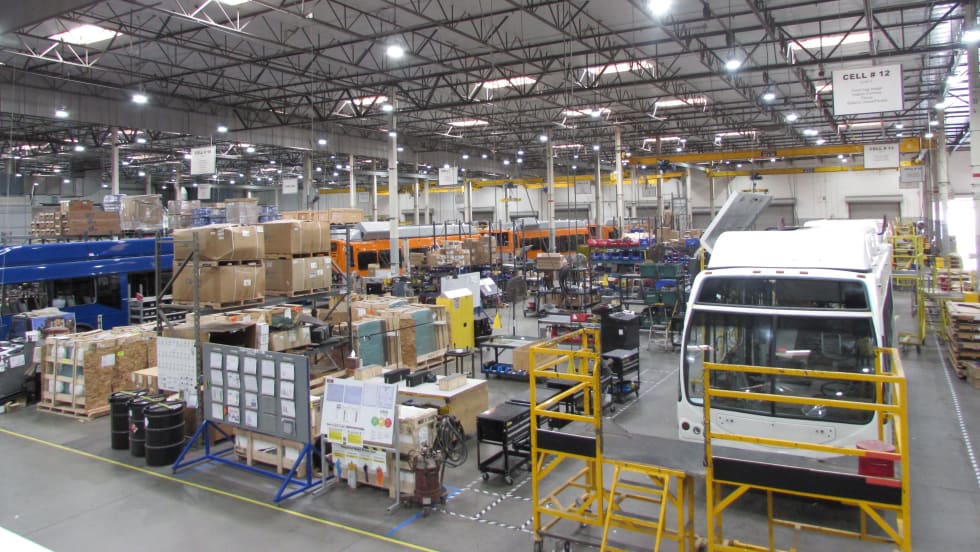
LA Metro Board Awards 220 Battery-Electric Bus Contract to ENC
The contract, which is the largest base award of battery-electric buses by a U.S. transit agency, will be built in Southern California, sustaining good jobs as LA prepares to welcome the world in 2028
Read More →
Public Transit Conference Returning to GFX in 2027, Call for Papers Now Open
The Call for Papers is now open, allowing transit agency professionals and industry experts to help shape the PTC educational program by submitting session ideas for consideration.
Read More →
Report: Transit Bus Manufacturing Supports 34,100 Jobs, $5.1B in GDP
The “Buses Mean Business” report examines the transit bus manufacturing industry’s economic footprint, supply chain, and rising demand for vehicle replacements.
Read More →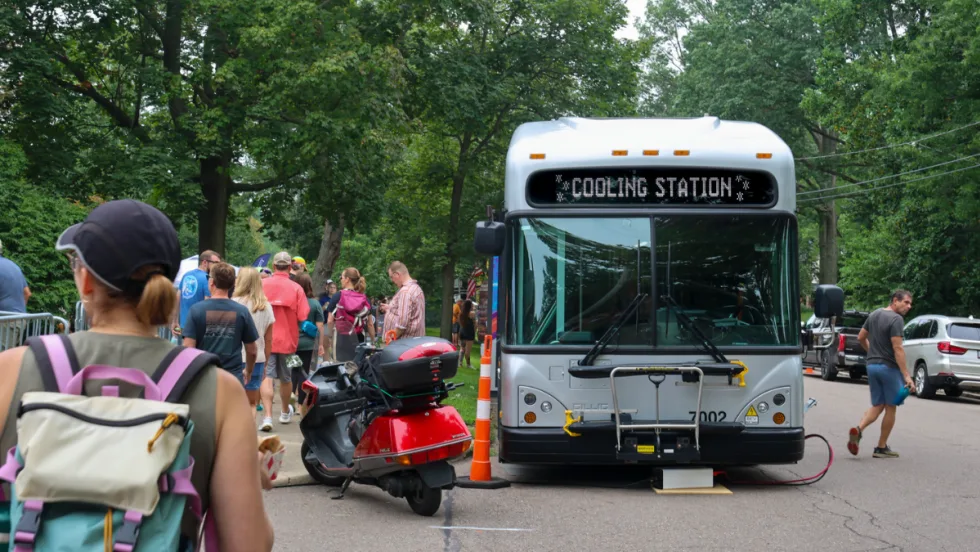
Ohio’s METRO RTA Turns Electric Buses into Mobile Power Sources at PorchROKR
See how three Gillig battery-electric buses powered festival stages while the agency’s new Park & Ride service carried approximately 1,000 attendees, demonstrating another potential use for transit agencies’ electric fleets.
Read More →
CALSTART and Forth Combine to Form Catalyst Mobility
The new name represents a renewed vision for the nonprofit focused on advancing clean, equitable, and affordable transportation solutions that move people and goods.
Read More →
Building a Flexible Path to Transit Electrification
John Hroncich discusses BAE Systems’ modular and scalable approach, lessons learned from decades of real-world operations, and how agencies can identify electrification strategies that fit their fleets.
Read More →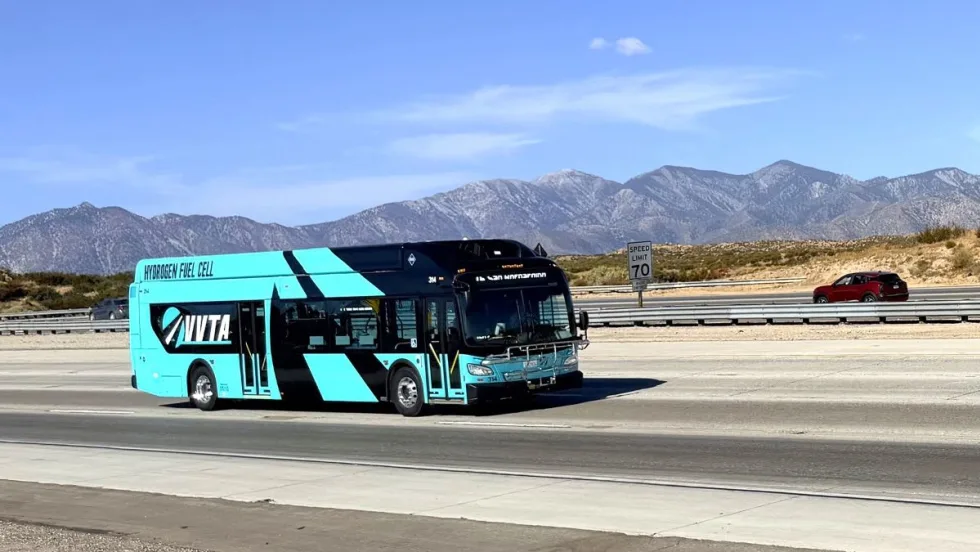
California's VVTA Begins Phased Rollout of Hydrogen Fuel Cell Buses
The agency is introducing 13 zero-emission buses into revenue service while evaluating performance across its urban, rural, and long-distance routes.
Read More →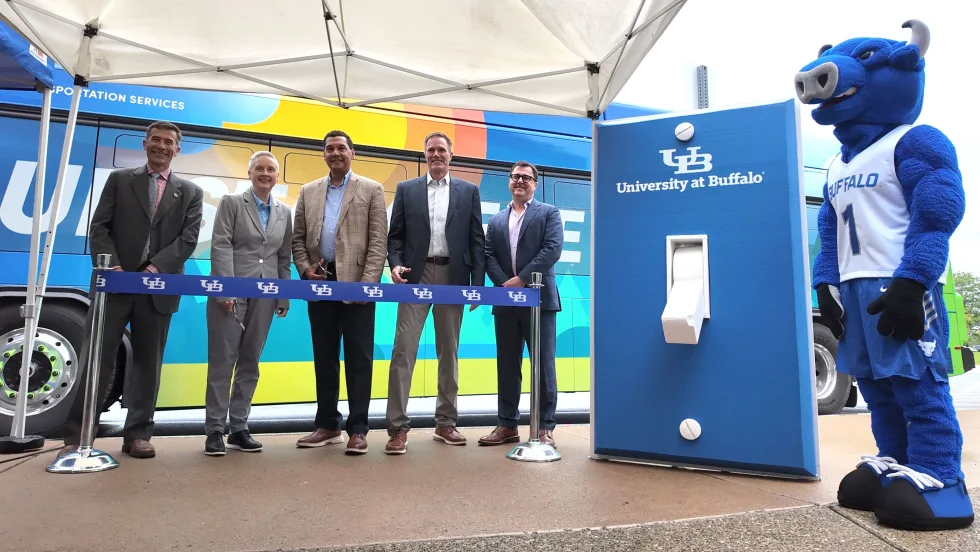
Inside Look: University at Buffalo Puts First 8 Electric Buses Into Stampede Service
UB, transportation solutions provider WeDriveU, and fleet electrification specialist Zenobē marked the deployment in the presence of students, university administrators, and local officials.
Read More →
Biz Briefs: OCTA Taps Clean Energy for Hydrogen Station, Stadler to Supply Via Rail Vehicles, and More
From manufacturers and suppliers to transit agencies and motorcoach operators, these updates offer a snapshot of the projects, partnerships and business moves driving the industry forward.
Read More →
AC Transit’s Cecil Blandon on Building the Next Generation of Transit Maintenance Leaders
The agency’s maintenance chief discusses leadership, workforce development, zero-emission technology, and preparing technicians for the future of public transportation.
Read More →