



CTA Graduates Class of 80 New Bus Operators
The new operators, who either recently started or will enter service this week, have completed extensive and comprehensive training in all facets of operations, safety, troubleshooting, customer communications, and more.

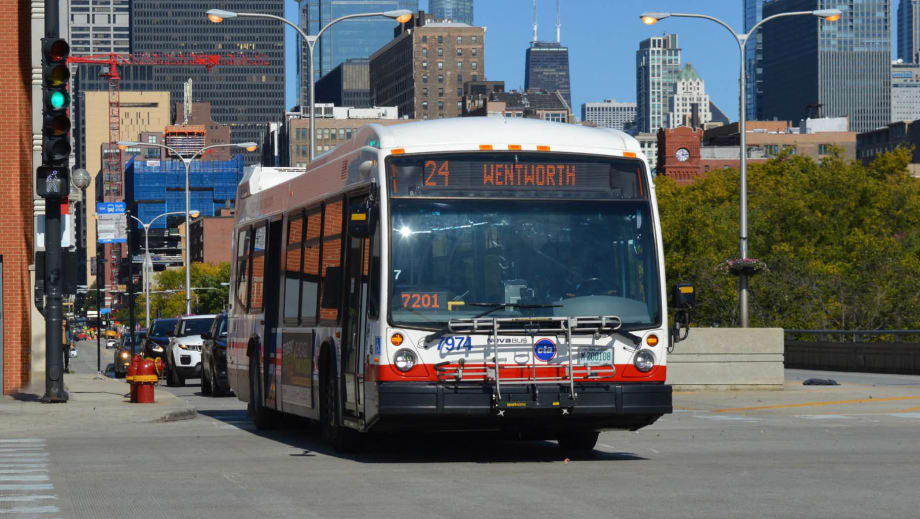
Following a series of multi-faceted recruitment marketing campaigns, the CTA will continue to attract prospective new employees with competitive pay, excellent benefits, and locally based career growth opportunities in the transportation industry.
CTA
The Chicago Transit Authority (CTA) welcomed 80 new full-time bus operators to the agency, the latest step in the CTA’s efforts to address workforce challenges and improve service throughout the system.
"The CTA system is an essential part of our residents' everyday lives, connecting them to everything our city has to offer," said Chicago Mayor Lori E. Lightfoot. "I congratulate and thank the 80 new bus drivers who will build on our commitment to provide reliable, efficient transit services to our residents."
The new operators, who either recently started or will enter service this week, have completed extensive and comprehensive training in all facets of operations, safety, troubleshooting, customer communications, and more.
“Today marks a positive step forward as part of our commitment to further improve the reliability of our vital bus services to our customers,” said CTA President, Dorval R. Carter, Jr., during a graduation ceremony for the new operators. “The addition of these 80 new bus operators, is not only a welcome addition to the CTA family, but also a proud moment for us as an agency, as they are the next generation of bus drivers dedicated to helping keep our city moving forward.”
Like all businesses, especially those in the public transit industry, the CTA has faced unprecedented challenges in recruiting bus operators during the global pandemic. Operator shortages can occasionally lead to service challenges — which can lead to longer wait times for a bus or train.
Throughout the pandemic, CTA has continued to hire and train bus operators. Following a series of multi-faceted recruitment marketing campaigns, the CTA will continue to attract prospective new employees with competitive pay, excellent benefits, and locally based career growth opportunities in the transportation industry. The CTA also collaborated with its unions to make first-of-their-kind adjustments to existing work rules, to help make CTA a more competitive employer in a high-demand industry.
Previously, bus operators would begin their careers at the CTA in part-time positions and work their way up to full-time positions, which often took years. However, for the first time ever, this year’s new hires start immediately in full-time bus operator positions, a change CTA sought in the most recent contract with the bus driver’s union. CTA continues to offer a paid seven-week training period, which includes CDL training and licensing.
More Management

NITA Names New Leadership, Expands Reduced-Fare Program at First Board Meeting
The new regional transit authority appointed its first board chair and interim executive director while extending reduced fares across CTA, Metra, and Pace for eligible riders.
Read More →
Beyond the Checklist: A Structured Approach to Transit Maintenance
Reliability-Centered Maintenance helps transit agencies move beyond routine checklists to focus limited resources on the assets and failures that have the greatest impact on safety, reliability, and service.
Read More →
APTA 2026 Nominating Committee Selects Leadership Slate, Names Chair and Vice Chair Nominees
Leadership changes will help shape the association’s priorities and its representation of the transportation industry during the 2026–2027 term.
Read More →

DART Launches Major Security, Fare Enforcement Initiative
The 90-day demonstration will deploy coordinated security teams at five light rail stations while testing controlled access and gathering data to guide future investments.
Read More →
Advancing Fare Collection Through Technology and Innovation
Learn about delivering 1300 gates at 91 stations while managing fare evasion. Explore the large scale deployment, solution customization and real-world results that affect the region. Prepare for deployment in your region now.
Read More →
Game Day in Motion: Moving Millions During the 2026 World Cup
Between packed transit stations and team motorcoaches, see how agencies and operators across North America tackled the transportation demands of the 2026 FIFA World Cup.
Read More →
Surface Transportation Extension Averts Shutdown, Leaves Transit Funding Gap
The stopgap keeps federal transportation programs moving, but missing advance funding could complicate the transit and rail projects agencies are planning next.
Read More →
Bus Tech Talk: Keeping Transit Technicians Ahead of the Technology Curve
LA Metro’s Obed Mejia discusses technician training, evolving maintenance technology, fleet replacement, and strategies for getting the most out of today’s transit fleets.
Read More →
Why Simulating Pedestrian Movement Has Become Essential for Modern Rail Stations
Pedestrian microsimulation is helping rail planners identify bottlenecks, test station designs, and prepare complex transit hubs for growing passenger volumes.
Read More →
People Movement: Holly Arnold Joins Transdev and More
In this edition, we also cover recent appointments and announcements at Pace, CamTran, MCI, and more, showcasing the individuals helping to shape the future of transportation.
Read More →