




Agency's Latest: MCTS Reaches Agreement with ATU
MCTS Awards First Transit with Paratransit Van Contract
First Transit has served Milwaukee County for more than 30 years.
November 30, 2022
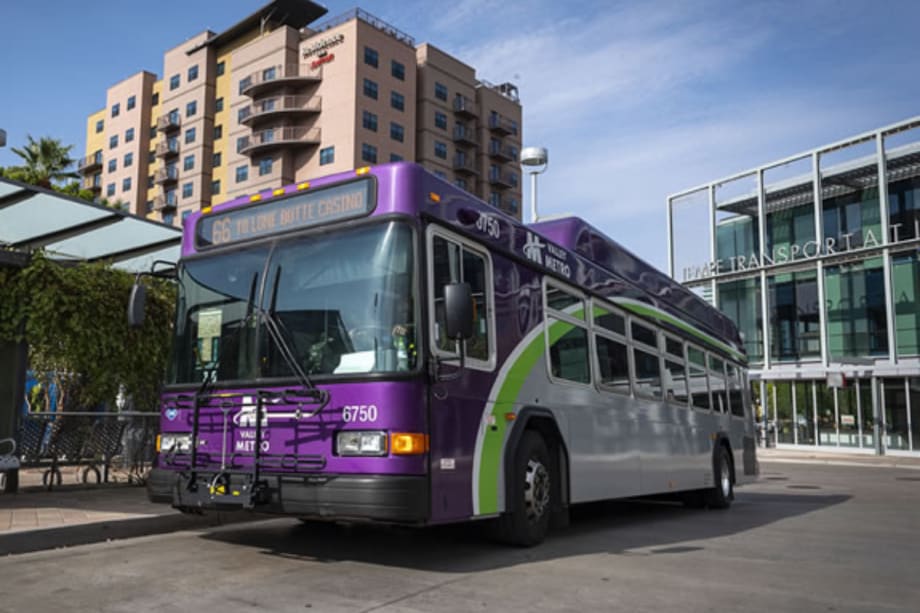
First Transit will provide Interactive Voice Response (IVR) technology.
Photo: First Transit
2 min to read
Following Federal Transit Administration guidelines, an evaluation panel representing Milwaukee County and Milwaukee Transport Services unanimously chose First Transit as its next paratransit van service provider, according to MCTS's news release.
First Transit has served Milwaukee County for more than 30 years. In 2022, First Transit provided more than 275,000 rides with an on-time pickup rate of 98.4%.
“We’re excited to award to a partner with deep roots in the local paratransit community, one that has served Milwaukee County since 1991, but yet brings the extensive resources and forward-thinking of a national organization,” said Fran Musci, MCTS Transit Plus director. “I’m especially excited about the opportunities their technology will bring our riders.”
MCTS said chose to consolidate service with one vendor, First Transit, for a path to modernizing service for riders with disabilities.
First Transit will provide Interactive Voice Response (IVR) technology, which gives riders automated reminder calls and advanced arrival alerts that consumers have come to expect from other ride services.
“By consolidating service with one vendor, we can more quickly implement improvements and offer consistent performance across our diverse ridership,” said Musci.
The contract begins next year in November 2023.
“First Transit shares our goal to improve quality of life by connecting riders to the places they want to go. And ease of mobility is key to that goal. I look forward to continuing our partnership as we implement our new contract,” said Musci.
More Paratransit
Biz Briefs: Masabi Teams with St. Louis Metro and More
In METRO's latest installment, we take a look at recent news from Transdev, Hitachi, and more partnerships making headlines across the transportation sector.
Read More →
New York MTA Leverages Zoning Program to Advance Station Accessibility
Accessibility enhancements at Nevins St Station will be financed through a development agreement tied to the MTA's Zoning for Accessibility initiative.
Read More →
Reinventing Fleet Maintenance with Real-time Visibility and AI
Transit leaders need to know what needs fixing, where to look, who is responsible, when work is completed, and what it costs without having to chase information across disconnected systems.
Read More →
SamTrans Sets Priorities for Potential Connect Bay Area Revenue
The board-approved framework allocates future funding to maintaining service, rider improvements, equity initiatives, and infrastructure repairs.
Read More →
Chicago's NITA Act Moves Into Next Phase as Service Improvements Begin
Rider-focused improvements will begin rolling out across the system immediately as CTA, Metra, and Pace increase service this summer in the six-county region.
Read More →
Sponsored•May 27, 2026
2026 METRO Buyer’s Guide & Directory
Searching for the right vehicles, technology, equipment, or services for your public transit or motorcoach operation? This industry guide brings together manufacturers and suppliers from across the transportation market — all in one place. Download it to connect with the companies that help agencies and operators improve mobility, enhance operations, and move their organizations forward.
Read More →
Rays the Mark Foundation to Honor CDTA’s Emily DeVito at October Fundraiser
Event at Chicago-area Ravisloe Country Club will support DeVito, a transit employee and mother of twins battling kidney failure and awaiting a transplant.
Read More →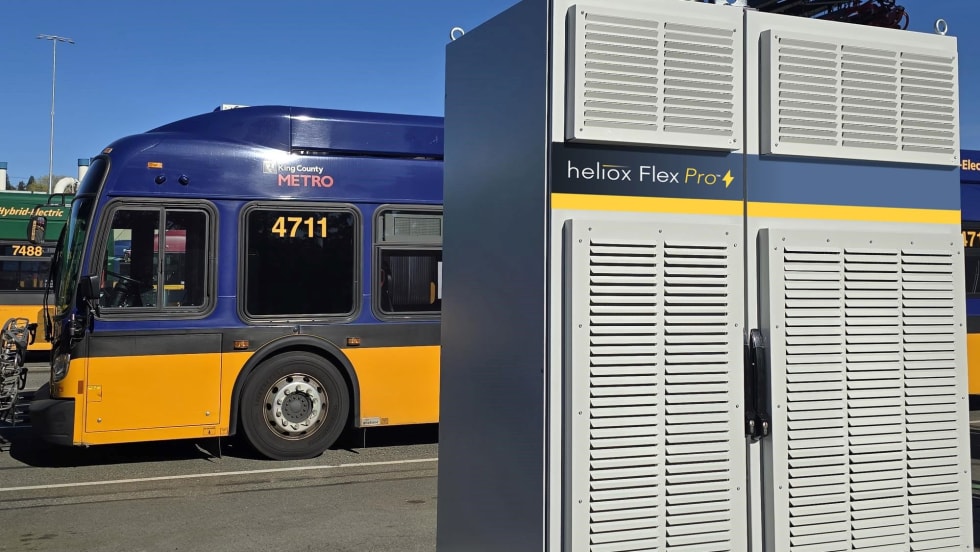
King County Test Heliox Chargers, Keolis Lands California Contract Top Biz Briefs
Stay informed with these quick takes on the projects and companies driving progress across the transportation landscape.
Read More →
Spare Expands AI-Native Operations Platform With Fixed-Route Capabilities
The launch marks a major milestone in Spare’s vision for unified transit operations.
Read More →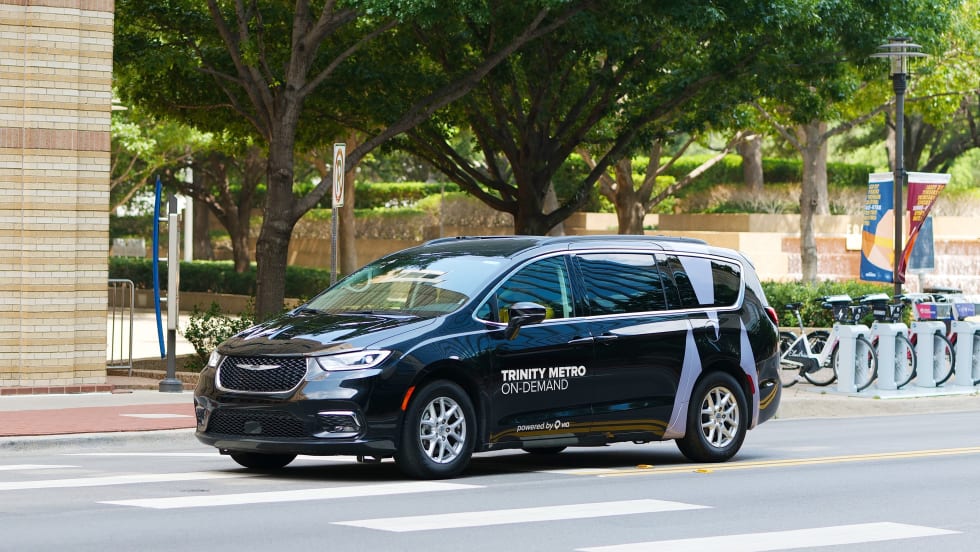
Via Announces Scheduling and Supply Studio
The Scheduling and Supply Studio provides the world’s first fully integrated platform for optimizing vehicle and driver availability to rider demand, said company officials.
Read More →