METRO Magazine Logo
MenuMENU
SearchSEARCH

RTC of Southern Nevada Finds Initiatives Matching Findings of Heat Report

The “Urban Heat Island Mapping Campaign” study found that neighborhoods with the hottest temperatures are largely located in and around downtown Las Vegas, downtown North Las Vegas, the Historic Westside, and the eastern area of the valley.

RTC of Southern Nevada Finds Initiatives Matching Findings of Heat Report

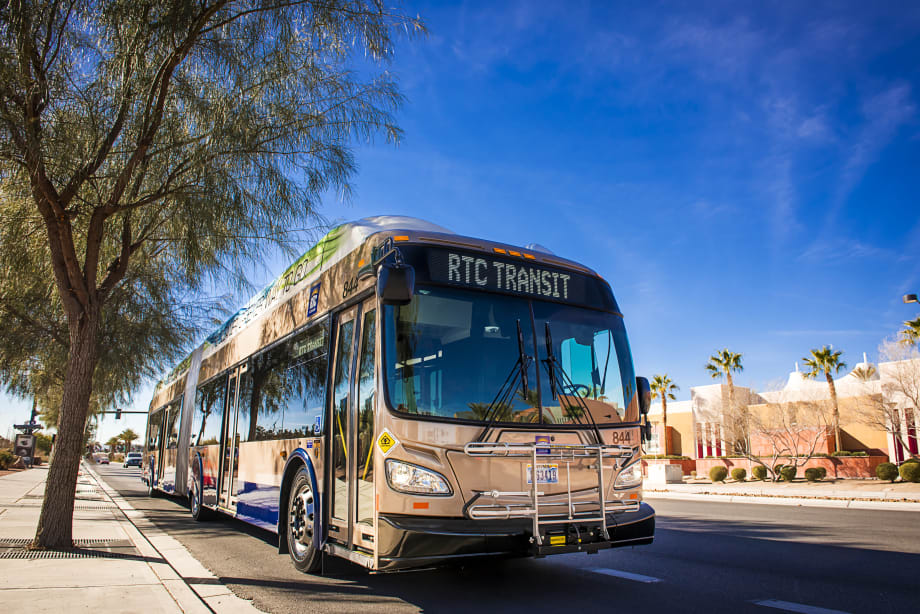
In August 2022 and January 2023, the RTC implemented service changes to improve frequencies and schedules on several routes to reduce wait times for riders, a significant enhancement particularly during the summer months.

Credit:

RTC of Southern Nevada

3 min to read


Results from the Heat Island Mapping campaign conducted by the Regional Transportation Commission of Southern Nevada (RTC), Get Outdoors Nevada, and more than 60 community volunteers support recent transit improvements, including more frequent service and innovative new shade structures in some of the hottest areas of the Nevada valley.

In August 2022 and January 2023, the RTC implemented service changes to improve frequencies and schedules on several routes to reduce wait times for riders, a significant enhancement particularly during the summer months. And just last month, the RTC began installing a new type of “slimline” transit shelter to help mitigate the effects of heat.

Ad Loading...

Slimline shelters, funded by a $4 million federal grant, include shading to protect waiting passengers from the sun and provide more lighting at night, creating greater visibility, and added security benefits. These shelters have a smaller footprint to accommodate stops that are less than five feet from the roadway while continuing to enable access under the Americans with Disabilities Act. More than 100 slimline shelters will be installed in the valley over the coming year, with more than 80% located in and around locations that comprise the hottest 30% of the valley. The RTC will also add more than 50 traditional transit shelters throughout the same areas.

“Safety and comfort for passengers and vulnerable road users are top priorities for the RTC, and the results we gathered from the heat mapping project will help us more responsibly plan for the future,” said RTC CEO M.J. Maynard. “By better understanding which neighborhoods experience higher temperatures, we can continue to work with local jurisdictions to create initiatives that mitigate heat impacts and reduce the risks of heat-related dangers across our community.”

The “Urban Heat Island Mapping Campaign” study found that neighborhoods with the hottest temperatures are largely located in and around downtown Las Vegas, downtown North Las Vegas, the Historic Westside, and the eastern area of the valley. Most of these locations feature large proportions of pavement and buildings but lack dense concentrations of trees. Their lower elevations also result in naturally warmer temperatures than higher elevations elsewhere in the region. While hotter temperatures are generally concentrated in the central and eastern valley, all areas of the region had “hotspots.”

Equipped with special sensors mounted to their cars, more than 30 volunteer teams drove pre-mapped routes throughout the valley last summer to collect data. The teams gathered 138,000 temperature and humidity measurements that were used to create detailed maps of the distribution of heat across the valley. The interactive maps, complete project summary, and more can be found on the RTC’s website.

Southern Nevada, which has one of the fastest-warming climates in the country, was one of 14 locations in the U.S. chosen to participate in the heat mapping campaign, which was supported by the National Oceanic and Atmospheric Administration (NOAA). Local project partners included the Clark County Department of Environment and Sustainability, UNLV School of Public Health, and Get Outdoors Nevada.


More Management

A fleet of Caltrain electrified trains on tracks
Railby StaffApril 3, 2026

Funding Gap Could Force Caltrain to Slash Service, Close Stations

The Peninsula Corridor Joint Powers Board recently met for a budget workshop, during which staff outlined the significant service reductions Caltrain could be forced to make without new external funding. 

Read More →
METRO's People Movement with MCI President Rob Marion
Managementby Staff and News ReportsApril 3, 2026

NFI Group Taps New MCI President and More in People Movement

In this edition, we cover recent appointments and announcements at Alstom, VIA Metropolitan Transit, Transdev US, and more, showcasing the individuals helping to shape the future of transportation.

Read More →
A subway train stopped at the 48th Street platform in Manhattan.
Managementby Staff and News ReportsApril 1, 2026

Manhattan’s Central Business District Travel Climbs to 6.3 Million Daily Trips as Transit Leads Growth

Although volumes remain below pre-pandemic levels, NYMTC’s latest Hub Bound report shows rising transit use, shifting commute patterns, and continued recovery.

Read More →
Ad Loading...
frontrunner bus
SponsoredApril 1, 2026

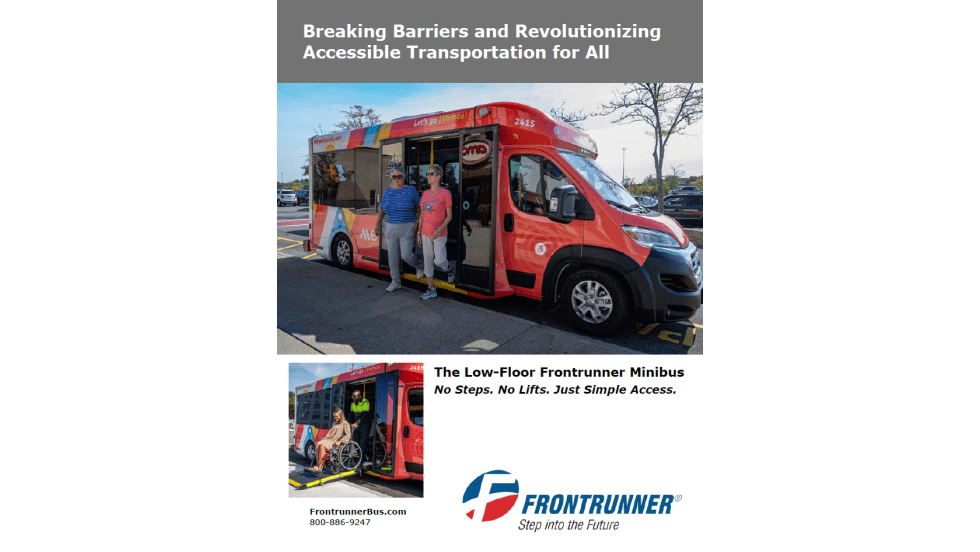
Breaking Accessibility Barriers with the Low Floor Frontrunner Minibus

Accessible transit isn’t a feature—it’s a responsibility. This whitepaper explores how the Low-Floor Frontrunner is redefining mobility with a breakthrough design that removes barriers, empowers riders, and delivers measurable operational advantages for agencies. Discover why this next generation minibus is setting a new standard for inclusive transportation.

Read More →
An MBTA commuter rail at a station.
Railby StaffMarch 31, 2026

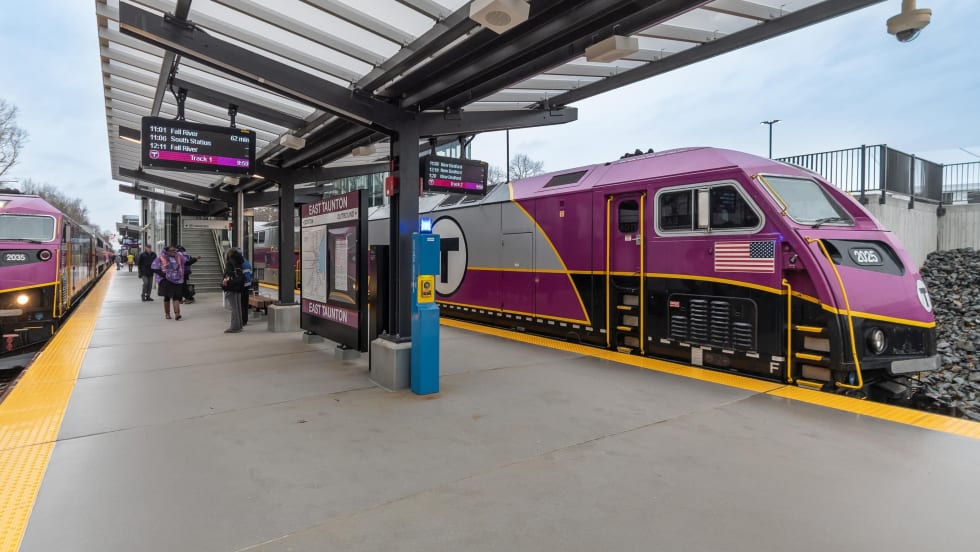
Massachusetts Announces Summer Savings for Commuter Rail Riders

With major events and increased travel expected across the state this summer, the Administration is focused on making sure people have a reliable, affordable alternative to driving so we can reduce congestion, support daily commuters, and keep Massachusetts moving.

Read More →
A MARTA employee using the new Better Breeze fare ticket machines.
Managementby StaffMarch 30, 2026

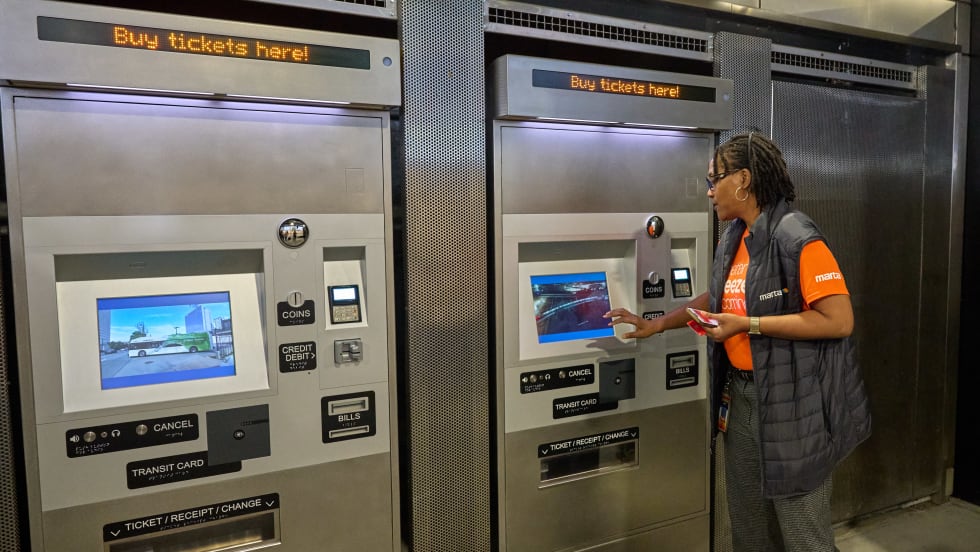
Updated: MARTA’s New 'Better Breeze' Fare System Goes Live

The new system introduces tap-to-pay, touchscreen kiosks, and updated Breeze cards, with both old and new systems running through May.

Read More →
Ad Loading...
ABA Marketplace Report
Motorcoachby StaffMarch 30, 2026

ABA Marketplace Drives $124.9M in Business, New Report Finds

As the American Bus Association marks its 100th year, a new ABA Foundation report highlights the Marketplace’s role as a key revenue engine for the bus and group travel industry.

Read More →
Coach USA, Samsara cover shot
Technologyby Alex RomanMarch 30, 2026

How Coach USA Is Using AI to Prevent Bus Accidents

As motorcoaches navigate increasingly congested urban corridors filled with pedestrians, cyclists, scooters, and distracted drivers, safety leaders across the industry are confronting a growing challenge: visibility.

Read More →
Five different gold commemorative Smart Trip card designs.
Managementby StaffMarch 27, 2026

WMATA Proposes Revised FY2027 Budget as System Marks 50 Years of Service

Updated financial plan reflects ridership growth and cost controls as the Washington region’s transit system celebrates five decades of operations.

Read More →
Ad Loading...
Cover photo for Bus Tech Talk with Cecil Blandon
Managementby Alex RomanMarch 27, 2026

AC Transit’s Cecil Blandon on Leadership, Mentorship, and a Career in Transit

In part 1 of a two-part conversation, AC Transit’s director of maintenance joins co-hosts Alex Roman and Mark Hollenbeck to discuss his journey from the U.S. Marines to public transit and the role mentorship plays in developing the next generation of industry leaders.

Read More →