




Read More: New York MTA Board Selects Developer for Bus Charging Facility
New York Gov. Announces Progress in Increasing MTA Accessibility
The pace at which the MTA is awarding contracts for accessible projects is five times what it was before 2020.
September 1, 2023
The MTA has awarded contracts for 13 stations in 2020, 10 stations in 2021, and 13 stations in 2022, and previously announced its plan to award contracts for 17 stations by the end of the year.
Photo: MTA
3 min to read
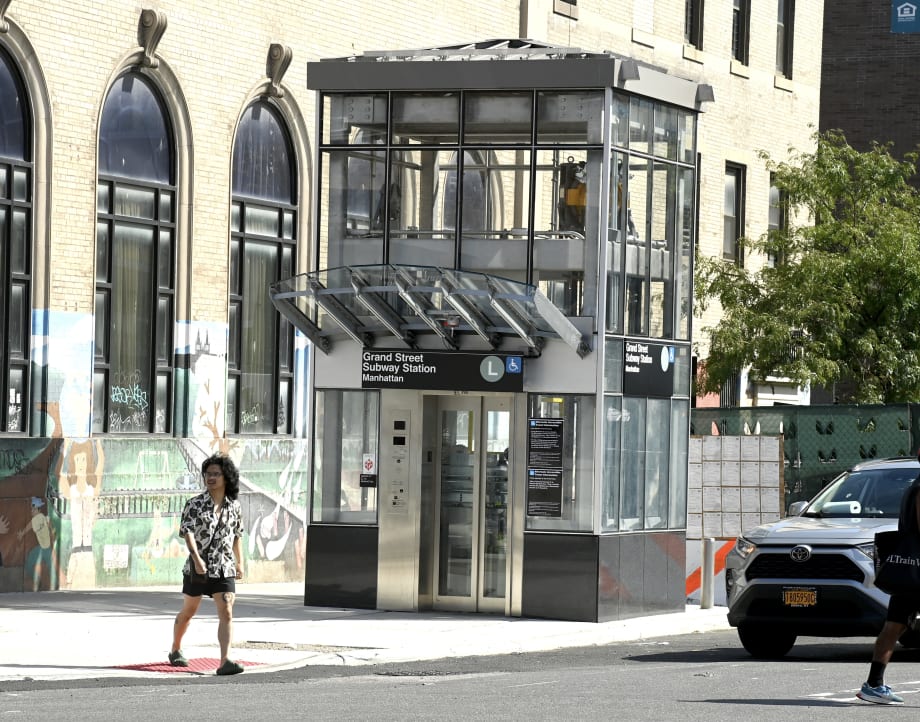
New York Governor Kathy Hochul and the Metropolitan Transportation Authority celebrated the accelerated pace of completion of accessibility projects across the New York City subway system with the opening of another fully accessible station, Grand St. l station in Williamsburg, Brooklyn – the fourth across the transit system in 2023.
The opening followed a summer in which progress was made on accessibility improvements.
New York MTA's Initiatives
In July, the MTA celebrated Disability Pride Month with events and announcements including the opening of three fully accessible stations: Court Square G station in Queens, Dyckman St 1 station in Upper Manhattan, and 8 Av N station in Brooklyn.
“The Grand Ststation is the most recent example of our hard work to ensure that no New Yorker has to worry about whether they can safely access public transportation,” Governor Hochul said. “The MTA shares our commitment to delivering accessibility improvements across New York City and will continue to strive to make transit accessible to all.”
The pace at which the MTA is awarding contracts for accessible projects is five times what it was before 2020. The MTA has awarded contracts for 13 stations in 2020, 10 stations in 2021, and 13 stations in 2022, and previously announced its plan to award contracts for 17 stations by the end of the year.
During the height of the COVID-19 pandemic when ridership decreased, the MTA prioritized expanding accessibility improvements in the subway by completing 15 accessibility projects.
There are 142 accessible stations and 30 stations in construction for accessibility upgrades, eight of which are expected to be complete by the end of 2023.
The Grand St. L station accessibility project was funded by a grant provided by the Federal Transit Administration (FTA) and completed as part of a design-build package of eight stations throughout the subway system, the first such bundle undertaken by MTA Construction & Development (C&D) to deliver accessibility upgrades. The remaining stations from that bundle are projected to open later this year.
In June, as part of the station’s accessibility design-build package, MTA Arts & Design announced new mosaic artwork commissioned by artist Glendalys Medina, Gratitudes Off Grand. The resulting work is comprised of vividly colored geometric forms–circles, diamonds, squares, and rectangles reflecting the artist’s practice inspired by Taíno, hip-hop, and Latino cultures and music.
The 2020-2024 MTA Capital Plan includes an investment of $5.2 billion to make 67 subway stations ADA accessible.
In addition, the Authority has completed 21 ADA stations since 2020, double the number of ADA stations completed in the previous six years.
In July, the MTA also began rolling out innovative new wayfinding features across 11 subway stations and 24 stops along the M60 bus route in Manhattan.
“When it comes to accessibility, the MTA is delivering on an unprecedented commitment – both in terms of dollars or number of stations – and we are going to keep going at the same pace and level of investment until we achieve full accessibility," said MTA CEO Janno Lieber.
More Management
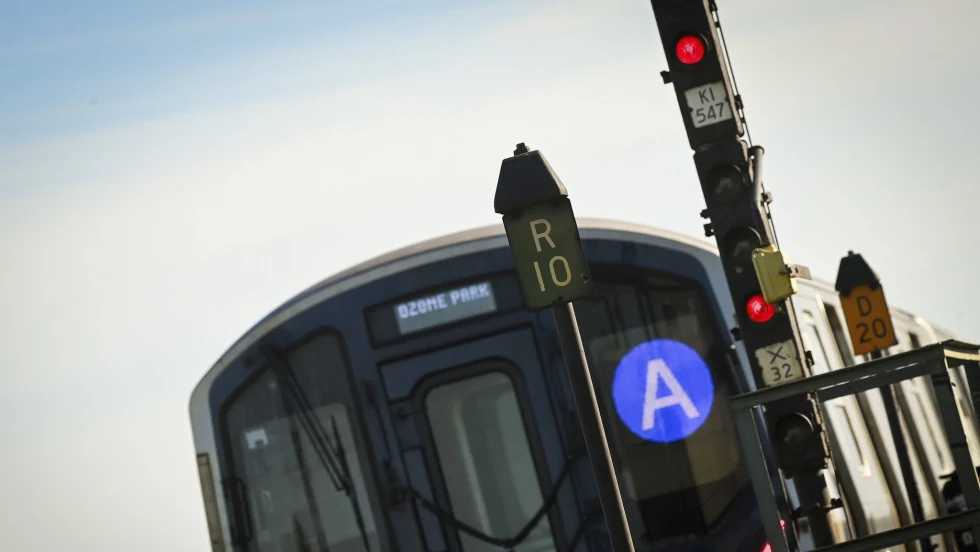
New York MTA Launches Historic $1.9B Signal, Track Modernization Project
Funded in part by congestion pricing revenue, the project will replace nearly century-old signals along the A and C lines in Brooklyn and Queens.
Read More →
Brian Dickson on Building Stronger, More Resilient Transportation Organizations
Bus Business Consultants Founder Brian Dickson discusses the leadership principles, operational discipline, and strategic planning that separate transportation companies positioned for long-term success from those stuck in survival mode.
Read More →
LA Metro Breaks Ground on Vermont BRT Project
The 12.4-mile corridor is projected to serve 66,200 daily riders, reduce travel times by up to 24%, and create the nation's busiest bus rapid transit corridor.
Read More →
Building Stronger Leaders, More Resilient Transit Teams
Dr. Carol Parker Walsh discusses leadership development, employee retention, workplace culture, and preparing transit’s workforce for AI and automation.
Read More →
Roman Cornell on ABC Companies’ Evolution and the Future of Passenger Transportation
The company’s CEO discusses carrying forward a third-generation family legacy, ABC’s continued evolution in passenger transportation, support for increasingly complex fleets, and how technology and continued investment could help operators improve uptime.
Read More →
CATS Launches West Charlotte Microtransit Zone, Expands Transit Services
The new microtransit zone connects residents to key destinations as Charlotte Area Transit System rolls out the first phase of its 2055 Transit System Plan.
Read More →
VIA Bus Ridership Grows 10.1% Through August 2026
San Antonio's VIA Metropolitan Transit reported the highest bus ridership growth among major Texas transit systems. Federal Transit Administration data ranked it second among the nation's 50 largest transit systems.
Read More →
CSA Group Releases Climate Resilience Standard for Transit, Passenger Rail
Developed with support from the Standards Council of Canada, CSA D700 guides assessing climate-related risks and planning adaptation measures for transit and passenger rail systems.
Read More →
ETA CEO John Maglio on Transit Technology, Innovation, and Building Agency Trust
ETA founder and CEO John Maglio explores the evolution of transit technology, the importance of reliable systems, and how stronger partnerships can help agencies improve operations and the passenger experience.
Read More →
COTA Launches First Customer Experience Action Plan to Improve Transit Service
The new plan outlines improvements to service reliability, accessibility, communication, and the overall rider experience across Central Ohio's transit system.
Read More →