FTA Makes $1.5B in ZEBs Funding Available, Releases 'Dear Colleague' Letter
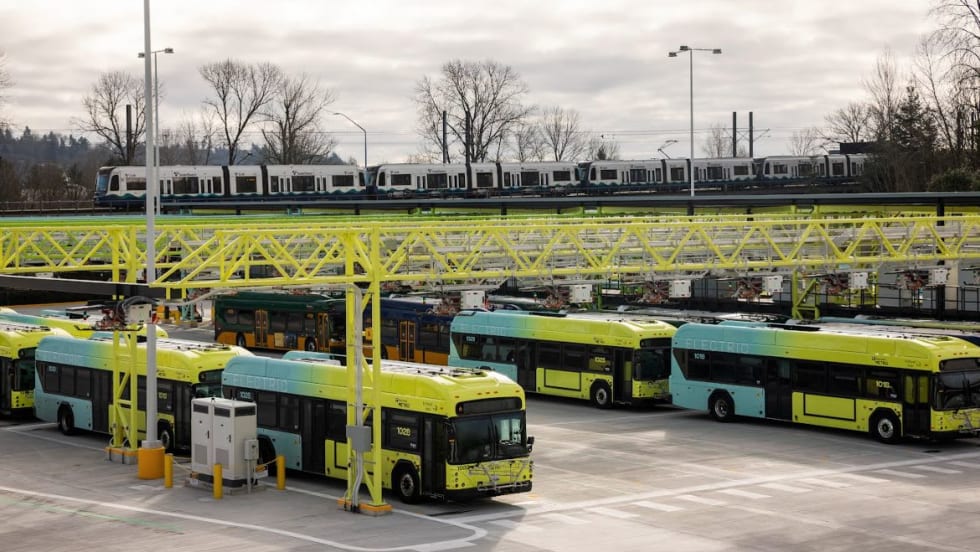
FTA's bus funding represents the third bus grant package since President Biden signed BIL, which has invested more than $3.3 billion in American transit buses and the infrastructure that supports them.
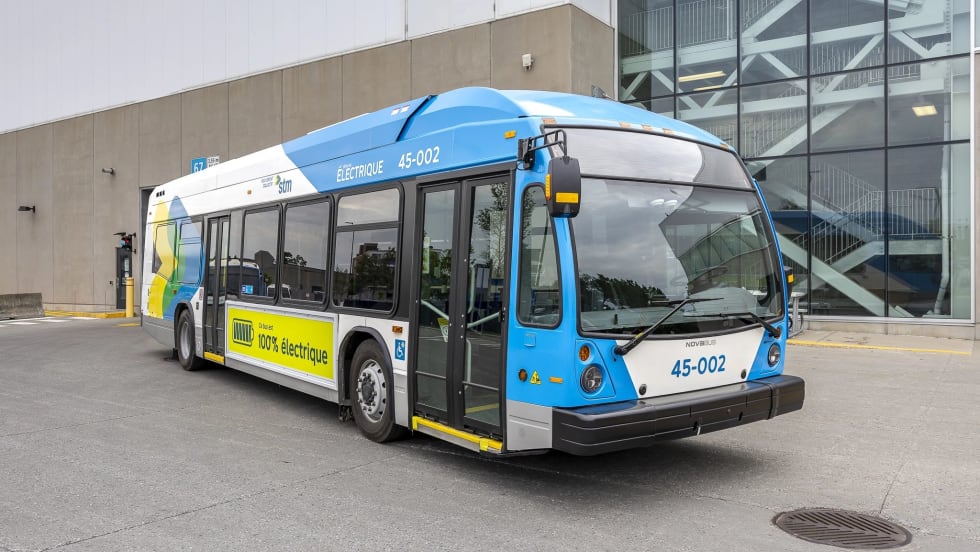
FTA's Low- or No-Emission Program helps transit agencies buy or lease U.S.-built zero-emission and low-emission transit buses along with charging equipment and supporting facilities.
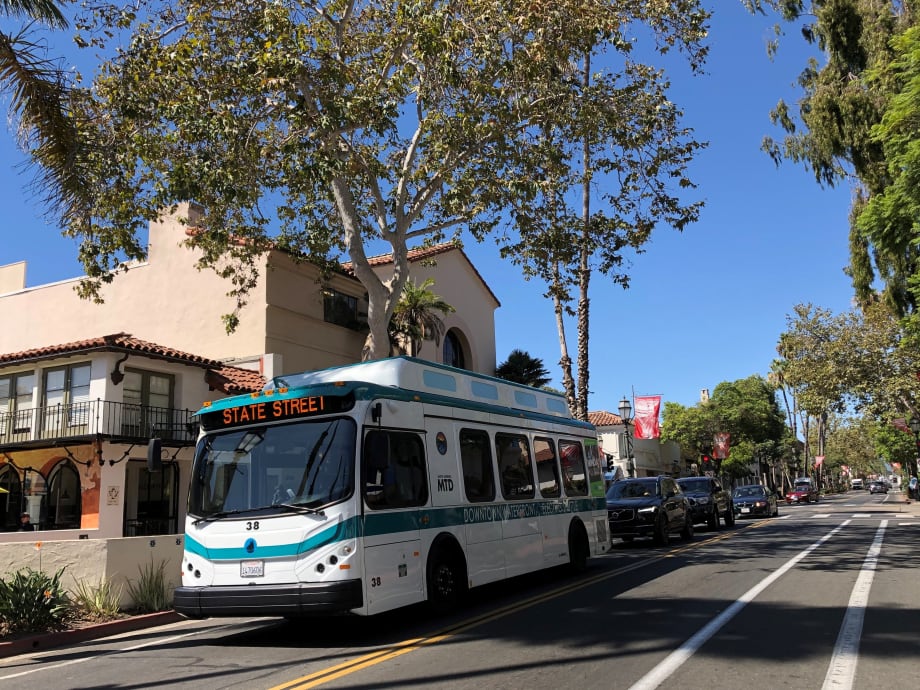
Photo: Stantec
4 min to read
The Federal Transit Administration (FTA) announced the availability of approximately $1.5. billion to support American transit vehicle manufacturing, help build bus facilities, and promote workforce development.
Historic investment in transit, made possible by President Biden's Bipartisan Infrastructure Law (BIL) and as part of his Investing in America agenda, will help transit agencies replace aging buses, reduce air pollution, provide good-paying jobs, and improve the reliability of transit systems, the FTA said in a press release.
Ad Loading...
"More funding for buses means less traffic congestion on the road, less pollution in the air, and more jobs for American workers," said U.S. Transportation Secretary Pete Buttigieg. "Thanks to the President's infrastructure law, we are bringing thousands of new, clean buses to communities large and small across the country."
As part of FTA's commitment to build a diverse and skilled public transportation workforce and help upskill workers for new bus technologies, 5% of each grant for zero emission projects is set aside for workforce development and training.
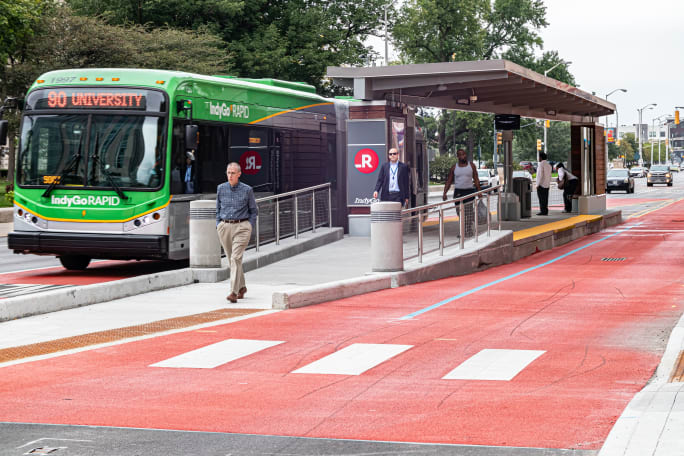
Photo: IndyGo
FTA’s Funding Programs
FTA's Low- or No-Emission Program helps transit agencies buy or lease U.S.-built zero-emission and low-emission transit buses along with charging equipment and supporting facilities.
FTA's Grants for Buses and Bus Facilities Program supports transit agencies in buying and rehabilitating buses and vans and building bus facilities. In Fiscal Year 2024, $1.1 billion will be authorized for the Low-No Program and $390 million for grants for buses and bus facilities.
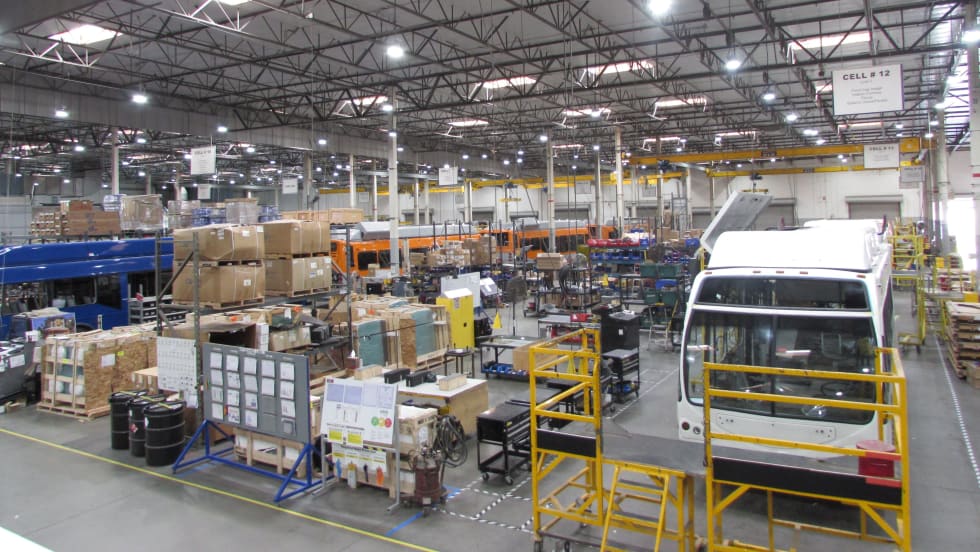
FTA is also focused on strengthening U.S. bus manufacturing, which can stabilize the cost of new buses and accelerate delivery of new vehicles. More standardized bus models will shorten manufacturing timelines, so transit agencies competing for funds are encouraged to consider strategies to avoid customization.
By prioritizing this in applications, FTA is encouraging improvements in bus vehicle delivery that will result in more American-built buses getting on the road faster.
Ad Loading...
"Buying new buses, including many vehicles that use new technology to cut carbon pollution, will promote cleaner, faster, and safer rides as we move toward a better future," said FTA Administrator Nuria Fernandez. "FTA is also providing solutions to reduce bus costs, shorten production timelines, and maintain domestic manufacturing capacity as transit agencies procure buses."
Wednesday, FTA leaders joined government and industry leaders at a White House Roundtable on Clean Bus Manufacturing to highlight the nation's progress in transitioning to zero-emission buses and discuss strategies to address challenges facing the U.S. bus manufacturing industry as it strives to meet the growing demand.
Leaders highlighted solutions to ensure U.S. capacity to manufacture and deliver clean buses at a scale and pace needed to meet market demands and achieve national climate and equity goals.
FTA's bus funding represents the third bus grant package since President Biden signed BIL, which has invested more than $3.3 billion in American transit buses and the infrastructure that supports them.
Over the next three years, record funding for American transit investment secured under President Biden's leadership will provide almost $5 billion more for bus programs.
As part of FTA's commitment to build a diverse and skilled public transportation workforce and help upskill workers for new bus technologies, 5% of each grant for zero emission projects is set aside for workforce development and training. FTA encourages workforce development plans to be developed in partnership with workforce representatives and the use of registered apprenticeships.
This funding opportunity also gives priority consideration to projects that advance environmental justice under the Administration’s Justice40 Initiative, and to projects that will catalyze a broader shift toward low- and zero-emission options across the transit sector. FTA is also streamlining application requirements for Tribal governments.
Last year, FTA announced the second round of selections for these programs with BIL funding. These selections invested in more than 1,700 American-built buses that will be manufactured with American parts and labor. Nearly half of these buses will be zero-emission models, bringing the total number of zero-emission transit buses funded over two years to more than 1,800 — and more than doubling the number of zero-emission transit buses on America’s roadways.
The new round of bus funding comes on the heels of a Dear Colleague Letter from the FTA, which outlines actions they are taking to strengthen the American bus manufacturing industry, reduce vehicle contract costs, and shorten vehicle delivery times.
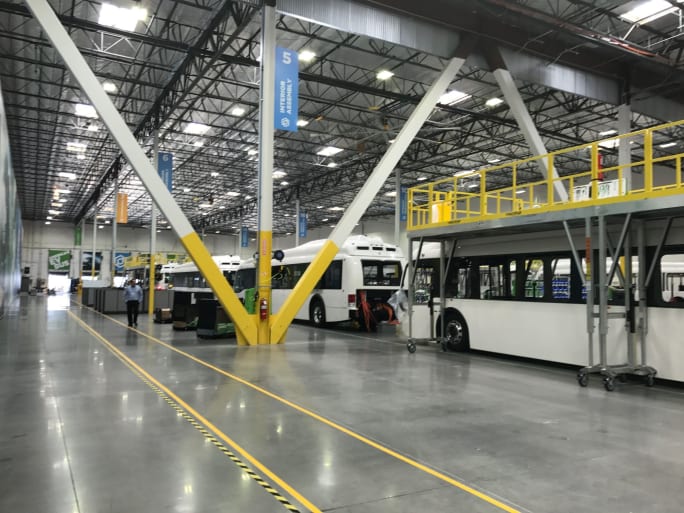
Photo: METRO Magazine
Efforts to Increase Bus Manufacturing
The new round of bus funding comes on the heels of a Dear Colleague Letter from the FTA, which outlines actions they are taking to strengthen the American bus manufacturing industry, reduce vehicle contract costs, and shorten vehicle delivery times.
Ad Loading...
The Dear Colleague letter consolidates FTA’s existing guidance and highlights tools available to transit agencies to address trends and challenges in federally-funded bus procurements, including information about managing component prices, modifying contracts, lowering vehicle contract and production costs, and reducing unnecessary customization.
Actions and technical assistance resources include:
A new bus procurement webpage, with updated FAQs.
New priority considerations in the FY24 Buses and Bus Facilities and Low or No Emission Notice of Funding Opportunity.
An FTA-hosted bus procurement best practices webinar.
National Transit Institute procurement courses.
Formation of a new FTA Acquisition Oversight Division.
From manufacturers and suppliers to transit agencies and motorcoach operators, these updates offer a snapshot of the projects, partnerships and business moves driving the industry forward.
The agency’s maintenance chief discusses leadership, workforce development, zero-emission technology, and preparing technicians for the future of public transportation.
The firm will work with CTDOT and RVT to define the facility layout, operational requirements, and long-term flexibility for RVT’s growing electric fleet.
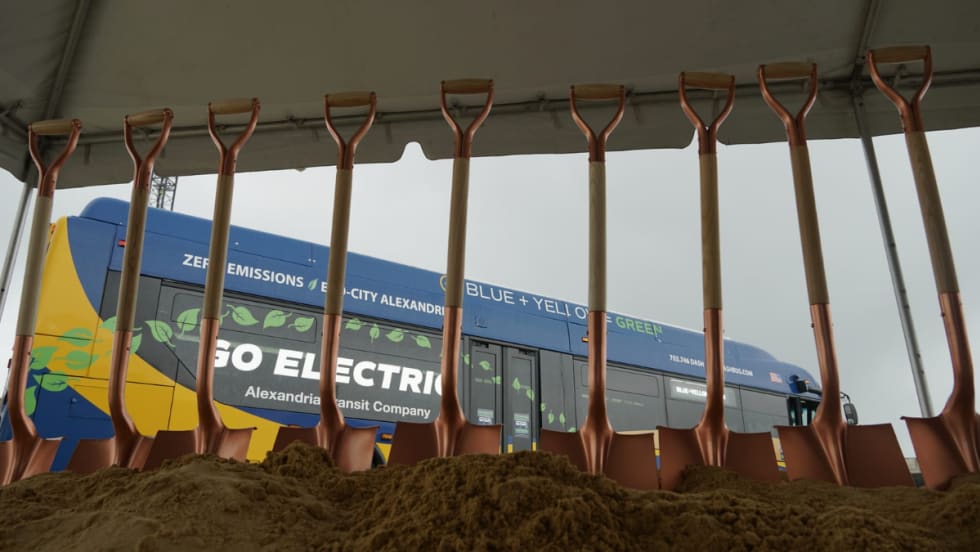
The fast-charging infrastructure will help extend electric bus range, improve fleet utilization, and support DASH's goal of transitioning to a fully zero-emission fleet.
Searching for the right vehicles, technology, equipment, or services for your public transit or motorcoach operation? This industry guide brings together manufacturers and suppliers from across the transportation market — all in one place. Download it to connect with the companies that help agencies and operators improve mobility, enhance operations, and move their organizations forward.
Following its 2024 acquisition, ENC is upgrading operations, expanding capacity, and aligning its approach to meet agency demand for reliability and on-time delivery. METRO spoke to John Obert, vice president of transit sales, to find out more.