



Mineta Study Examines Cyber Risk Landscape
January 2024 had a record number of attacks — the second highest number of attacks for a month ever and 130% more than last January.


The volume of cyberattacks is increasing, and the number of successful attacks and the average cost to recover from them has increased as well.
Photo: Canva/METRO Magazine
The latest Mineta Transportation Institute (MTI) perspective, “Is There a Light at the End of the Tunnel? The Outlook for Cybersecurity Insurance and Transit in 2024,” examines the changes in the cyber risk landscape, the responses of the insurance market and public agencies to these changes, and provides recommendations for how the different segments of the market can continue to help manage the risk of catastrophic loss.
The last few years have brought a significant increase in the number and scale of cybersecurity attacks against companies of all sizes, including public transit agencies. January 2024 had a record number of attacks — the second highest number of attacks for a month ever and 130% more than last January.
MTI Report Findings
With the above in mind, MTI’s report explores issues related to cyber risks and posits that:
Cybersecurity attacks and threats to U.S. critical infrastructure are a major concern as they can have significant economic, national security, and public safety implications.
The global transit industry has experienced a 186% year-over-year increase in weekly ransomware attacks since June 2020. In North America, attacks have occurred on transit agencies in California, Colorado, Kansas, New York, Texas, Washington, and multiple cities in Canada just in the past few years.
Along with the growth in cyberattacks, there has been a corresponding rise of cyber insurance claims, and cybersecurity insurance underwriting practices are adapting. These changes also increase costs to cover lost business, detection and escalation, post-breach response, and notification expenses.
Cyberattack Recommendations
The perspective also includes recommendations for this evolving cyber threat environment.
The authors posit that, “Public transportation agencies that are not currently taking cybersecurity risks seriously must invest in understanding their exposure and take action to build more resilient cybersecurity programs. This means they must recognize cyber risk as part of their overall enterprise risk management. Fortunately, funds and services are available to help.”
The authors continue to explain that, at this time, discretionary grant programs have cybersecurity requirements while formula grant programs do not. Thus, “Having requirements on both would encourage smaller agencies to adopt cybersecurity programs.”
The volume of cyberattacks is increasing, and the number of successful attacks and the average cost to recover from them has increased as well.
Every operator interviewed for this study indicated their coverage costs increased between 100% and 200% after 2020. Transit agencies can benefit from a deeper understanding of the threat landscape, its costs to the industry, and how best to approach security in the digital age, according to MTI.
More Security and Safety

DART Launches Major Security, Fare Enforcement Initiative
The 90-day demonstration will deploy coordinated security teams at five light rail stations while testing controlled access and gathering data to guide future investments.
Read More →
RTD Launches NextRide App to Consolidate Trip Planning, Fares, Security Reporting
The app expands on RTD’s existing NextRide web application and allows customers to view real-time vehicle locations and service alerts, purchase and store digital fares, and access customer support.
Read More →
TAPTCO Updates OSHA Compliance Training for Transit Maintenance Operations
The revamped program addresses 26 OSHA standards for maintenance facilities, with TAPTCO pointing to training, documentation, and everyday shop hazards as continuing challenges for transit operations.
Read More →
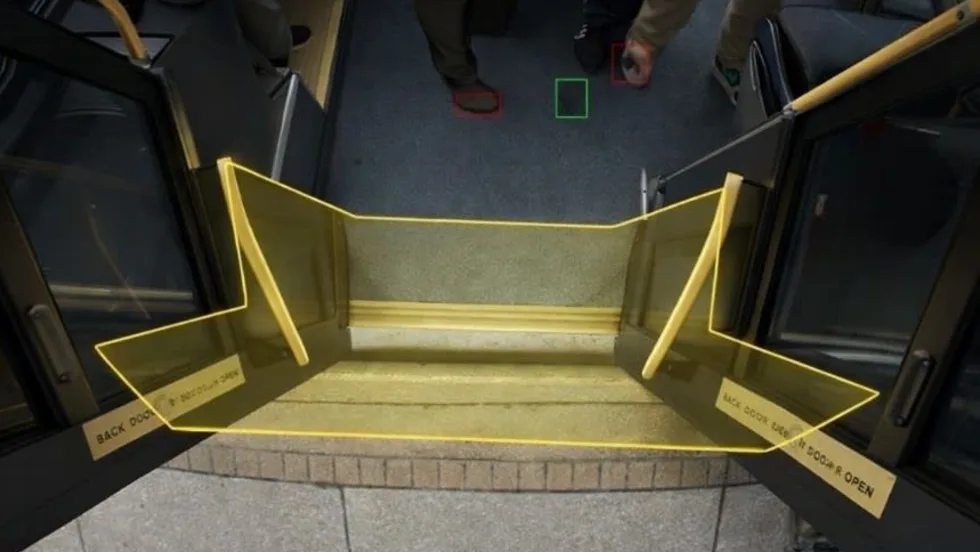
How VaporVision Adds Value to Transit Door Systems
Wabtec engineers explain how the system improves doorway detection, strengthens diagnostics and gives transit agencies and OEMs greater operating flexibility.
Read More →
FRA Announces $5.3B in Rail Investments, Including $2B for Amtrak
Funding will support grade-crossing improvements, infrastructure upgrades, and new Amtrak equipment in 23 states.
Read More →
Chicago, Maryland Expand Non-Law-Enforcement Safety, Rider Support
The CTA and MTA are launching new programs aimed at de-escalation, crisis response, rider assistance, and greater transparency.
Read More →
LA Metro, City of West Hollywood, and Partners Advance Smarter Bus Lane Enforcement
The award-winning partnership combines AI-powered detection with human oversight to improve bus reliability, accessibility, and enforcement efficiency.
Read More →
LA Metro Reports 57% Decline in Homelessness on Transit System Since 2024
The agency's latest homelessness count offers new data on how care-based services and cross-sector partnerships can complement traditional transit security strategies.
Read More →
FTA Launches 'Transit Moves America' Dashboard to Highlight Agency Safety and Performance
The online dashboard transforms National Transit Database information into a public-facing resource that allows users to compare transit agencies on key operational and safety metrics.
Read More →
LA Metro Marks Banner Year, Sets Ambitious Goals for New Fiscal Year
Incoming LA Metro Board Chair and Los Angeles Mayor Karen Bass joined outgoing Board Chair Fernando Dutra and LA Metro CEO Stephanie Wiggins to review accomplishments from fiscal year 2026, which included the opening of new rail extensions, advancement of major transit projects, expanded safety programs, and new rider amenities.
Read More →