



Feds Make $2B Available for Northeast Corridor Improvements
After decades of federal underinvestment, funding from the Bipartisan Infrastructure Law finally has the Northeast Corridor on track to meet the needs of 21st century travelers and commuters.


Competitive funding through the Fed State-NEC program is guided by FRA’s NEC Project Inventory, which identifies and prioritizes projects along the corridor.
Photo: Amtrak
The Federal Railroad Administration (FRA) issued a Notice of Funding Opportunity (NOFO) that makes available over $2 billion in Federal-State Partnership for Intercity Passenger Rail Program funding for projects located on the Northeast Corridor (Fed State-NEC).
The available funding builds on historic Northeast Corridor investments by the Biden-Harris Administration, including funding to advance major projects like the Gateway Program Hudson River Tunnel Project in New York and New Jersey, the Fredrick Douglass Tunnel and Susquehanna River Bridge Replacement Programs in Maryland, the Connecticut River Bridge Replacement in Connecticut, the New York Penn Station Access Project, and more.
“Hundreds of thousands of passengers travel along the Northeast Corridor every day, and the Biden-Harris Administration is funding much-needed improvements to this vital rail corridor,” said U.S. Transportation Secretary Pete Buttigieg. “With over $2 billion becoming available today, we will build on investments initiated last year and continue propelling America’s busiest passenger rail corridor towards greater speed, safety, and reliability.”
Investing in NEC’s Infrastructure
After decades of federal underinvestment, funding from the Bipartisan Infrastructure Law finally has the Northeast Corridor on track to meet the needs of 21st century travelers and commuters.
Last year, FRA awarded $16.4 billion for 25 projects of national significance along the corridor, which runs from Boston to Washington, DC. These unprecedented investments will rebuild tunnels and bridges that are over 100 years old; upgrade tracks, power systems, signals, stations, and other infrastructure; and advance future projects to significantly improve travel times by increasing operating speeds and reducing delays.
“The President’s investments in rail will be felt by generations to come, beginning with immediate benefits to communities and continuing to ensure essential rail corridors like the Northeast Corridor are modern, safe, and convenient, giving Americans access to world-class passenger service,” said FRA Administrator Amit Bose. “We are thrilled to announce the opening of the Fed State-NEC’s notice of funding to applicants within the NEC Project Inventory, streamlining the process for much-needed funding based on demand.”
How New Funding Works
Competitive funding through the Fed State-NEC program is guided by FRA’s NEC Project Inventory, which identifies and prioritizes projects along the corridor.
The NEC Project Inventory serves as a project pipeline to assist Amtrak, states, and the public in long-term capital planning for the NEC. NEC Projects must be included in the latest version of the inventory to be eligible for Fed State-NEC funding. The latest NEC Project Inventory, which FRA updated last month, can be found here.
The announcement of the NOFO will add to the historic levels of funding in new infrastructure the Biden-Harris Administration has provided to improve rail safety since President Biden took office, allowing the USDOT to continue to ensure the safety of people who live near, work on, or travel along America’s rail lines.
The NOFO is published in the Federal Register.
More Rail
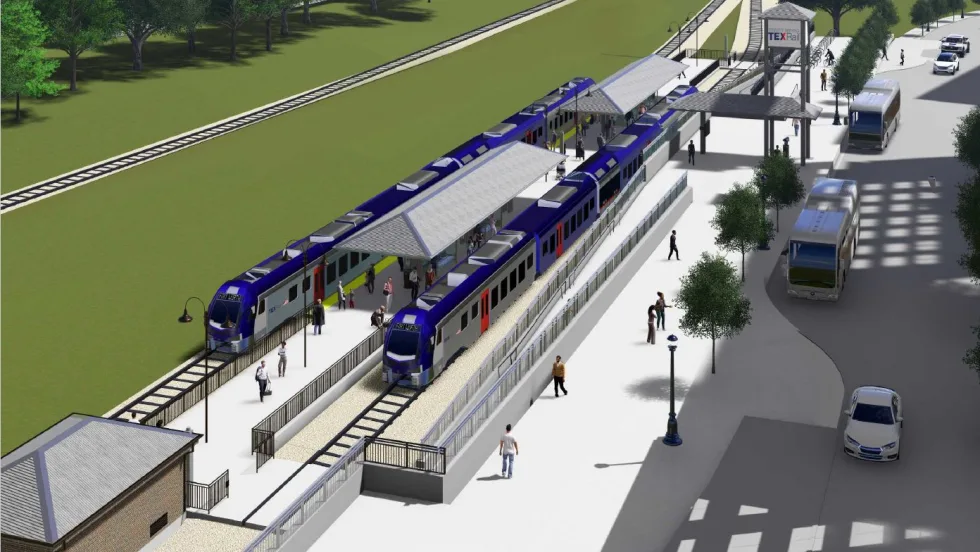
Trinity Metro Breaks Ground on $270M TEXRail Extension
The 2.1-mile extension will connect Fort Worth’s Medical District and Near Southside to downtown, surrounding communities, and Dallas-Fort Worth International Airport.
Read More →
Bringing Austin’s First Light Rail System to Life
Austin Transit Partnership CEO Greg Canally discusses the city's nearly 10-mile light rail project, its collaborative approach to project delivery, the importance of community engagement, and the milestones ahead as construction approaches in 2027.
Read More →
Metra Draft Plan Outlines Costs, Service Improvements for Regional Rail
The Systemwide Network Plan identifies infrastructure needs and potential investments to expand all-day, bidirectional rail service across the Chicago region.
Read More →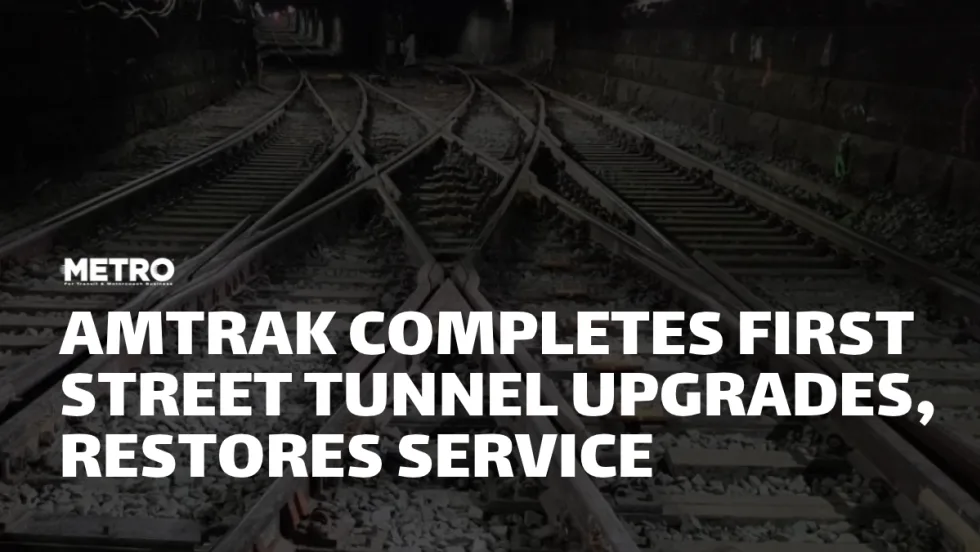
Amtrak Completes First Street Tunnel Upgrades, Restores Service
The nine-day construction project included replacing aging track infrastructure and modernizing switch systems near Washington Union Station.
Read More →
FRA Announces $2.3B for Passenger, Freight Rail Projects Nationwide
The CRISI Grant Program funding will support rail infrastructure improvements, safety upgrades, and projects aimed at improving freight and passenger rail service across 45 states and Washington, D.C.
Read More →
Caltrain’s Electrification Drives a New Era of Ridership Growth
The railroad’s shift to electric service has brought more frequent trains, stronger customer satisfaction, and increased ridership, earning it APTA’s Outstanding Public Transportation System award.
Read More →
FTA Advances $164M Broward County Commuter Rail Project
The proposed 10.5-mile commuter rail extension would connect Fort Lauderdale and Aventura, expanding passenger rail options in South Florida.
Read More →
New York MTA Launches Historic $1.9B Signal, Track Modernization Project
Funded in part by congestion pricing revenue, the project will replace nearly century-old signals along the A and C lines in Brooklyn and Queens.
Read More →
LA Metro Breaks Ground on East San Fernando Valley Light Rail Project
The 6.7-mile line will add 11 stations along Van Nuys Boulevard, expand access to jobs and regional transit connections, and support Metro’s broader efforts to improve mobility as rail ridership grows.
Read More →
CSA Group Releases Climate Resilience Standard for Transit, Passenger Rail
Developed with support from the Standards Council of Canada, CSA D700 guides assessing climate-related risks and planning adaptation measures for transit and passenger rail systems.
Read More →