



Mineta Report Examines Building Equity into VMT Mitigation Program
The proposed program would provide a VMT mitigation option for local government agencies and developers, which would improve travel options for the community with an emphasis on cross-jurisdictional collaboration and equity.

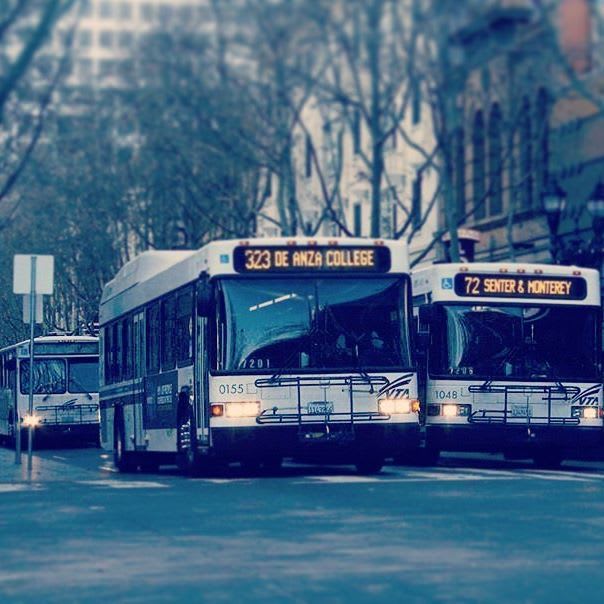
VTA is continuing to work with the local jurisdictions of Santa Clara County to develop the framework for the proposed Equitable VMT Mitigation Program, incorporating the MTI / SJSU recommendations into the framework. VTA anticipates releasing a draft report and recommendations in Fall 2024.
Photo: VTA
New Mineta Transportation Institute (MTI) research, “Exploring Equity Frameworks for a Cross-Jurisdictional Vehicle Miles Traveled Mitigation Program in Santa Clara County,” develops policy recommendations for an equity framework for the Calif.-based Santa Clara Valley Transportation Authority’s (VTA) proposed Equitable VMT Mitigation Program.
MTI’s VTA Mitigation Research
The research, a collaboration between VTA, MTI, and SJSU graduate students, showed that best practices include:
Incorporating equity early and at multiple key decision-making points throughout the program development and implementation phases.
Defining program equity in a locally relevant way that reflects the experiences of inequity within affected communities.
Embedding equity into the project selection process and program evaluation criteria.
Developing an informative and implementable accountability plan.
Another major finding included that while the VTA project team’s approach to public meetings, focus groups, and surveys was excellent, public engagement and program informational materials could be simplified for non-technical audiences, and the VTA project team could better leverage social media to foster dialogue with the community.
The proposed program would provide a VMT mitigation option for local government agencies and developers, which would improve travel options for the community with an emphasis on cross-jurisdictional collaboration and equity.
“A major transportation need identified by the community is improved connectivity, frequency, reliability, and speed of public transportation,” said the authors. “Identifying these community needs and providing recommendations as this research does can help advance the equity framework of the proposed Equitable VMT Mitigation Program for Santa Clara County.”
Funding Mitigation Measures
Based on interviews performed for this project, stakeholders generally support the concept of funding VMT mitigating measures for the community with development contributions, but some remain concerned about the potential impact on housing development costs and ensuring transparency in funding allocation and project selection.
VMT helps quantify how much people drive, which is related to greenhouse gas emissions, local air quality, health, noise pollution, and street safety. Programs lowering VMT can improve quality of life and the environment, and an equitable framework for these programs is critical.
VTA is continuing to work with the local jurisdictions of Santa Clara County to develop the framework for the proposed Equitable VMT Mitigation Program, incorporating the MTI/SJSU recommendations into the framework. VTA anticipates releasing a draft report and recommendations in Fall 2024.
More Management
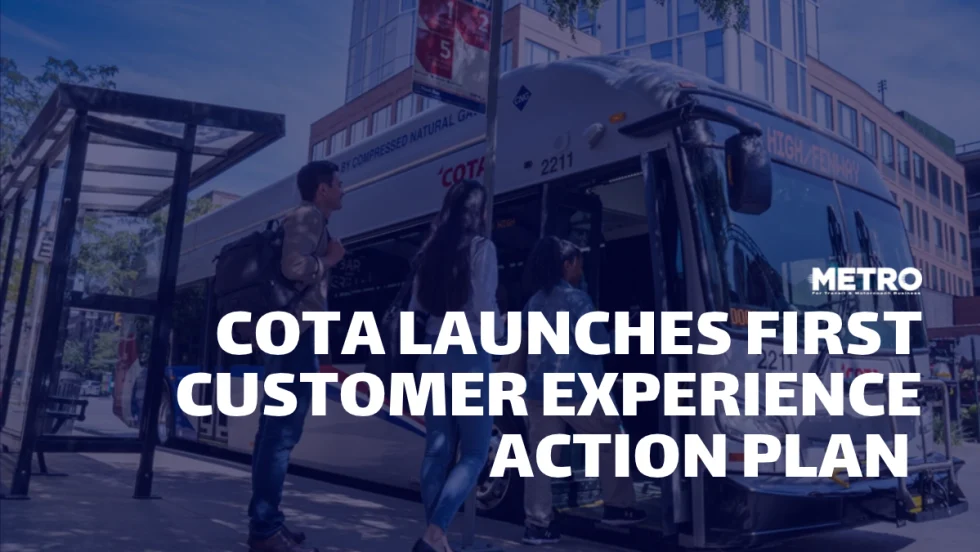
COTA Launches First Customer Experience Action Plan to Improve Transit Service
The new plan outlines improvements to service reliability, accessibility, communication, and the overall rider experience across Central Ohio's transit system.
Read More →
LA Metro September Ridership Climbs 3.9%, Led by Rail Growth
The agency recorded more than 27.2 million boardings, with rail ridership increasing 12.4% year over year and the D Line posting the largest gains.
Read More →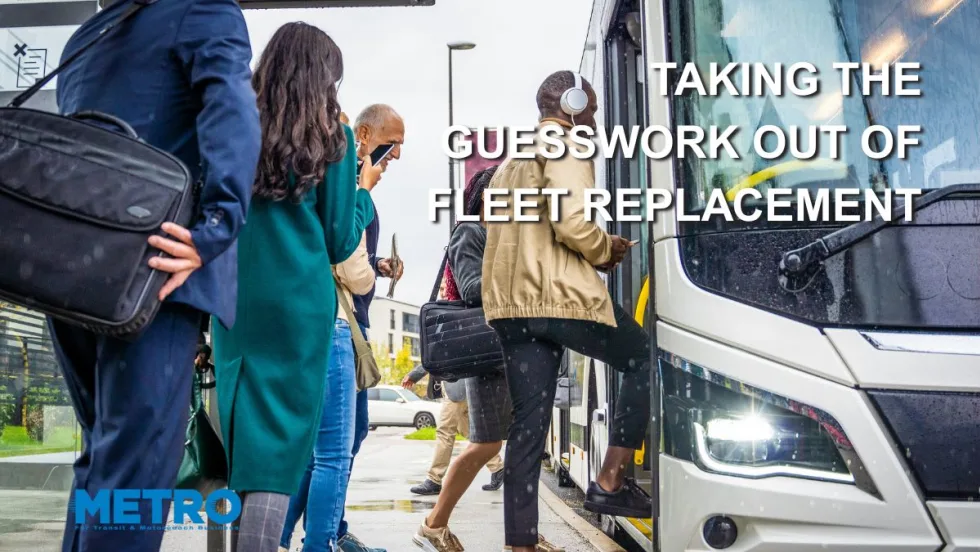
Utilimarc Launches SmartReplace to Optimize Fleet Replacement Decisions
AI-powered SmartReplace helps fleets prioritize vehicle replacements, model budget scenarios, and build more defensible long-term strategies.
Read More →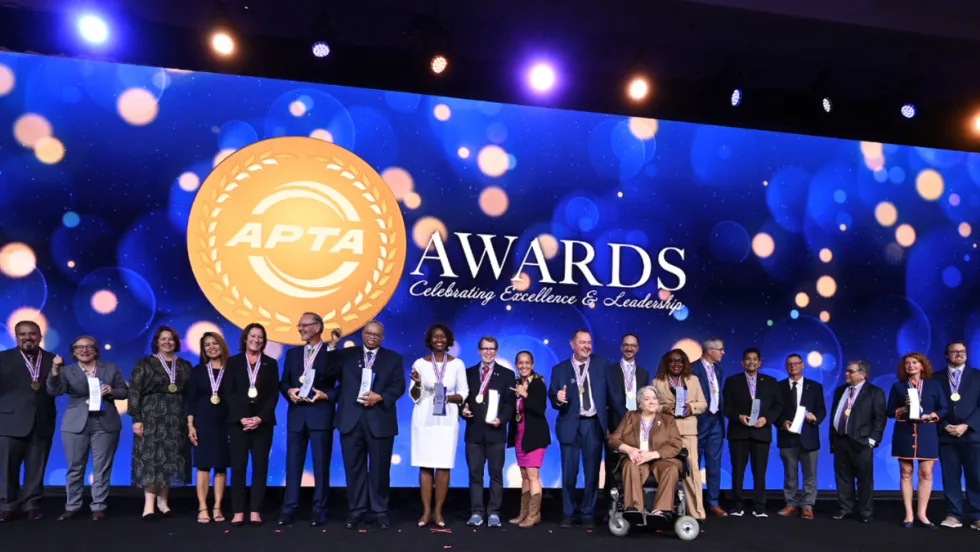
APTA Honors 2026 Award Winners, Hall of Fame Inductees at TRANSform & EXPO
Innovations in autonomous and zero-emission transportation, standout transit systems, and industry leadership took center stage among this year's honorees.
Read More →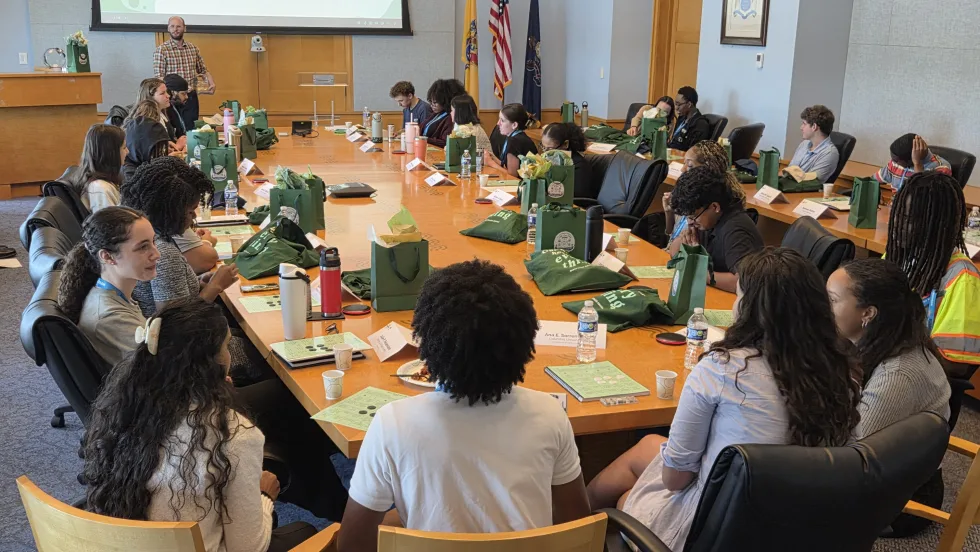
7 Ways to Build a Better Transit Internship Program
Lessons from DRPA/PATCO’s approach to creating a meaningful internship experience—and developing the next generation of transportation professionals.
Read More →
Scenes from APTA TRANSform & EXPO 2026
Transit leaders, manufacturers, and industry professionals gathered in Chicago to explore new technologies, share ideas, and discuss the future of public transportation.
Read More →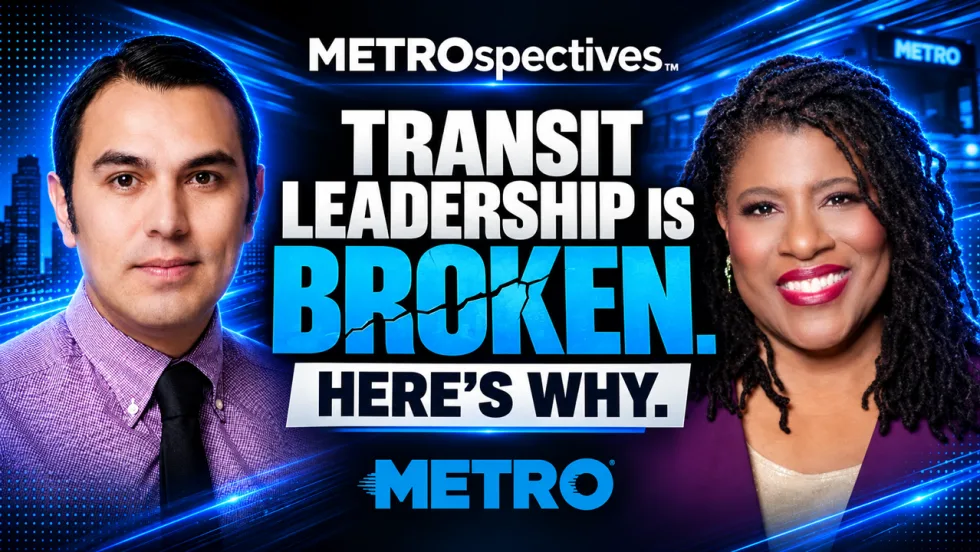
Building Stronger Leaders, More Resilient Transit Teams
Dr. Carol Parker Walsh discusses leadership development, employee retention, workplace culture, and preparing transit’s workforce for AI and automation.
Read More →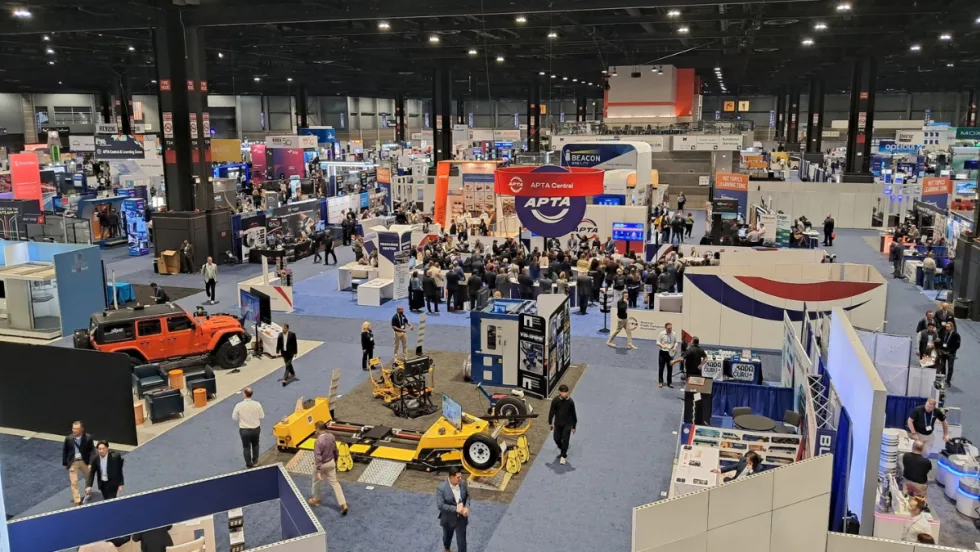
APTA 2026 TRANSform & EXPO Kicks Off in Chicago
After 45 years, APTA returns to Chicago with a focus on next-generation fleets, AI, connected transit networks, and the funding strategies shaping public transportation’s future.
Read More →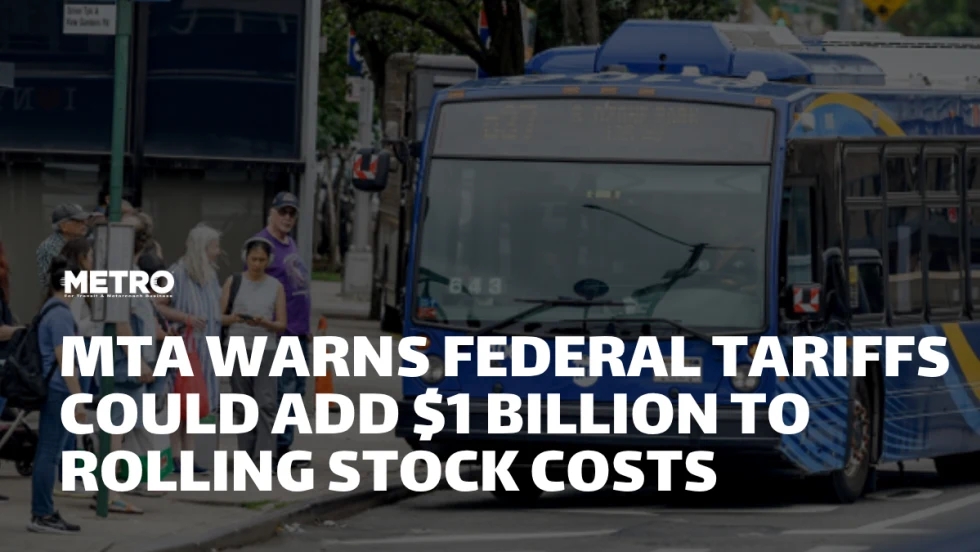
New York MTA Warns Federal Tariffs Could Add $1 Billion to Rolling Stock Costs
The agency said tariffs on specialized imported components could reduce the purchasing power of its $23 billion investment in new subway cars, railcars, and buses.
Read More →
From the Show Floor: What Happened at APTA TRANSform & EXPO 2026
See the latest product launches, partnerships, technology updates, and transit industry announcements from APTA TRANSform & EXPO in Chicago.
Read More →