



Mineta Report Focuses On A New Approach to Community-Centered Transit Projects
The industry is beginning to adopt new practices that result in a better product and user experience.

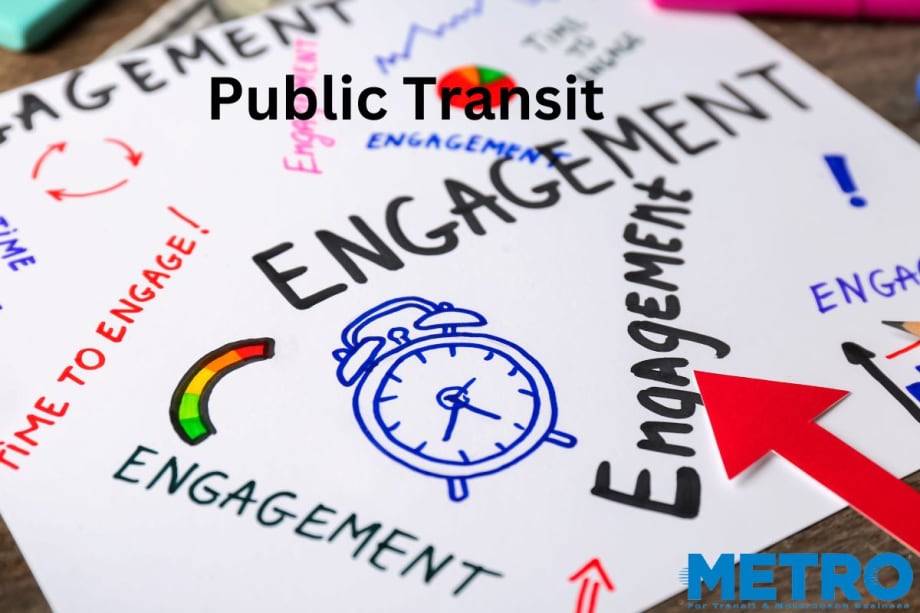
Stakeholder engagement for public transit projects should be genuine, transparent, and people-oriented to be effective.
Photo: Canva/METRO
The latest Mineta Transportation Institute (MTI) perspective, “Not Just Checking a Box: What Does Stakeholder Engagement in Public Transit Look Like?,” highlights strategies for stakeholder engagement that have proven more genuine and effective in achieving critical goals and milestones for transit agencies.
The Importance of Stakeholder Involvement
The perspective argues that:
Traditional transit outreach, which consists of an agency deciding on a project and then going out and trying to sell it, creates conflict.
Internally, the standard has been deemed the “Decide – Announce – Defend (DAD)” model — the transit agency decides and develops a project and then presents it to the community for their reaction.
The DAD model presumes the problem is already well defined and then presents a solution. Without agreement on the problem, agreement on the solution is unlikely. Thus, this approach often results in concessions that lead to worse outcomes.
The industry is beginning to adopt new practices that result in a better product and user experience. These new practices, many of which are adopted from the spheres of social justice and public health, are more conducive to building trust within the community, which benefits everyone. They include building relationships with the community consistently, working collaboratively with communities, and moving forward when necessary.
“Another area of stakeholder engagement that has received less attention but still needs to move beyond a narrow project-centered relationship is how the public sector interacts with the private sector,” added the authors. “Public agencies, focused on responsibly handling taxpayer funds, sometimes view the private sector as solely profit-driven, leading to stringent procurement processes. These well-intentioned policies can stifle communication and leave the private sector skeptical of public agencies' ability to adhere to realistic timelines. This diminished collaboration hinders innovation and limits the public sector's exposure to new ideas.”
Effective Stakeholder Engagement
Stakeholder engagement for public transit projects should be genuine, transparent, and people-oriented to be effective.
The industry would benefit from viewing stakeholder input as a method to help shape and improve initiatives, rather than a way to gauge reaction to the project.
At the same time, once stakeholder input has helped formulate a project, even if there continues to be a minority of opposition, transit agency leaders need to continue to move forward to complete projects that benefit the industry and the community.
More Management
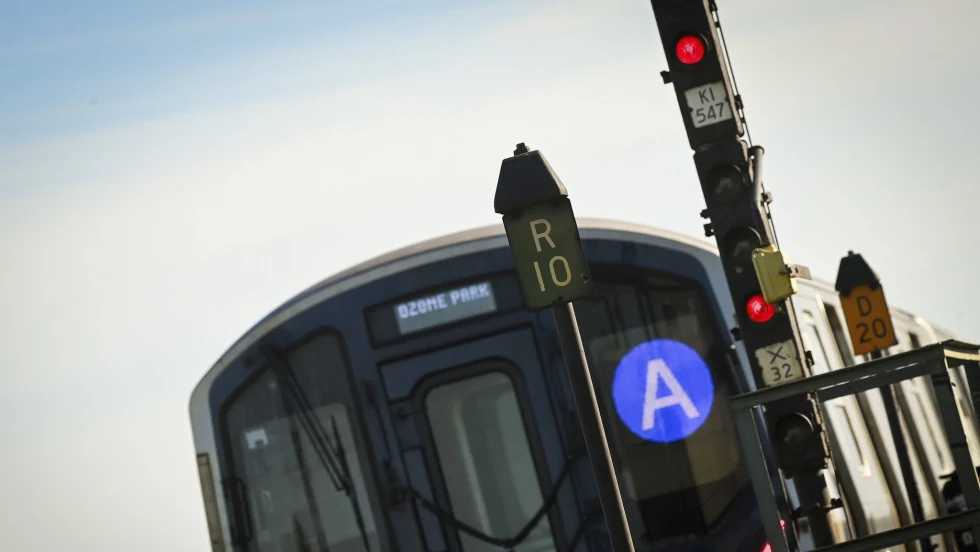
New York MTA Launches Historic $1.9B Signal, Track Modernization Project
Funded in part by congestion pricing revenue, the project will replace nearly century-old signals along the A and C lines in Brooklyn and Queens.
Read More →
Brian Dickson on Building Stronger, More Resilient Transportation Organizations
Bus Business Consultants Founder Brian Dickson discusses the leadership principles, operational discipline, and strategic planning that separate transportation companies positioned for long-term success from those stuck in survival mode.
Read More →
LA Metro Breaks Ground on Vermont BRT Project
The 12.4-mile corridor is projected to serve 66,200 daily riders, reduce travel times by up to 24%, and create the nation's busiest bus rapid transit corridor.
Read More →
Building Stronger Leaders, More Resilient Transit Teams
Dr. Carol Parker Walsh discusses leadership development, employee retention, workplace culture, and preparing transit’s workforce for AI and automation.
Read More →
Roman Cornell on ABC Companies’ Evolution and the Future of Passenger Transportation
The company’s CEO discusses carrying forward a third-generation family legacy, ABC’s continued evolution in passenger transportation, support for increasingly complex fleets, and how technology and continued investment could help operators improve uptime.
Read More →
CATS Launches West Charlotte Microtransit Zone, Expands Transit Services
The new microtransit zone connects residents to key destinations as Charlotte Area Transit System rolls out the first phase of its 2055 Transit System Plan.
Read More →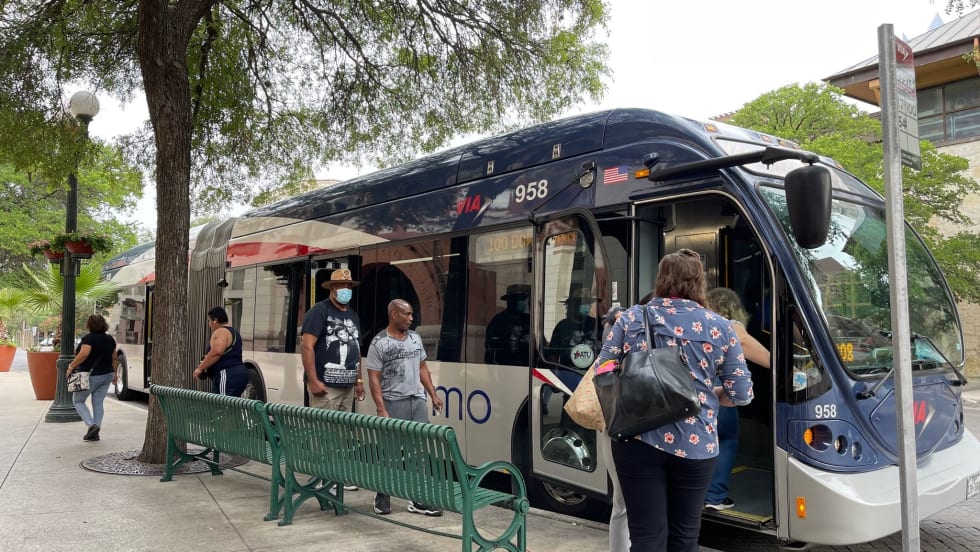
VIA Bus Ridership Grows 10.1% Through August 2026
San Antonio's VIA Metropolitan Transit reported the highest bus ridership growth among major Texas transit systems. Federal Transit Administration data ranked it second among the nation's 50 largest transit systems.
Read More →
CSA Group Releases Climate Resilience Standard for Transit, Passenger Rail
Developed with support from the Standards Council of Canada, CSA D700 guides assessing climate-related risks and planning adaptation measures for transit and passenger rail systems.
Read More →
ETA CEO John Maglio on Transit Technology, Innovation, and Building Agency Trust
ETA founder and CEO John Maglio explores the evolution of transit technology, the importance of reliable systems, and how stronger partnerships can help agencies improve operations and the passenger experience.
Read More →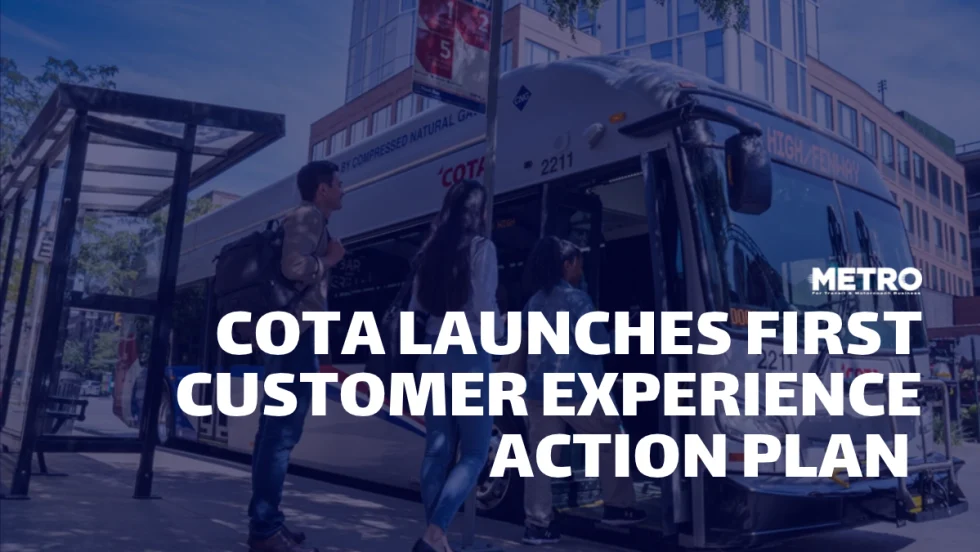
COTA Launches First Customer Experience Action Plan to Improve Transit Service
The new plan outlines improvements to service reliability, accessibility, communication, and the overall rider experience across Central Ohio's transit system.
Read More →