



LA Metro Ridership Up for 19th Consecutive Month
With 18,792,300 boardings on weekdays, ridership reached 82.1% of its pre-pandemic levels in June, with weekends seeing 6,389,175 boardings, reaching 97.7% of pre-pandemic weekend ridership from June 2019.


June rail boardings were 5,649,930, 79% of its June 2019 ridership, with 4,098,580 trips taken on weekdays.
Photo: LA Metro
LA Metro saw its 19th consecutive month of year-over-year ridership growth in June with 25,181,475 boardings on its bus and rail services, reaching 85.5% of its June 2019 pre-COVID ridership level.
With 18,792,300 boardings on weekdays, ridership reached 82.1% of its pre-pandemic levels. Weekends in June saw 6,389,175 boardings, reaching 97.7% of pre-pandemic weekend ridership from June 2019.
Boost in Weekend, Leisure Ridership
Weekend ridership was up 32.2% over weekend ridership in June 2023 with combined bus and rail boardings reaching 97.7% of its June 2019 pre-pandemic level.
Saturday boardings on bus and rail combined reached 94.6% of June 2019 levels, and on Sundays during the month, average combined boardings exceeded pre-pandemic levels achieving 101.6% of June 2019 levels.
Bus Ridership
Bus ridership in June saw 19,531,545 rides taken for a 4.6% year-over-year ridership increase over June 2023 and reached 87.6% of its June 2019 level.
Metro recorded 14,693,720 bus boardings on weekdays in June. Saturdays saw 2,629,060 boardings and Sundays had 2,208,765 boardings in June.
Ridership on Metro’s Tier 1 bus lines, those lines that have 10-minute or better service all day on weekdays, and on the agency’s Tier 2 bus lines, those that have 12- to 15-minute, or better, service all day on weekdays, was particularly strong on weekdays in the San Fernando Valley.
Rail Ridership
June rail boardings were 5,649,930, 79% of its June 2019 ridership, with 4,098,580 trips taken on weekdays.
Total ridership on the A and E Lines is up 26.3% year-over-year when compared to the A, E, and L line configuration before the Regional Connector project was completed. The busiest rail line in June was the B Line with 1,868,890 boardings.
The A Line was close behind with 1,841,530 trips taken.
Fare Programs
Metro continues to provide programs that make riding more affordable for everyone.
The agency’s reduced-price transit pass programs, such as the student GoPass program, which offers free transit passes to K-12 and community college students, and its Low-Income Fare is Easy (LIFE) program, which provides free rides and reduced fares to low-income customers, are helping those who need it most.
In June, Metro’s GoPass Program that offers free transit passes to K-12 and community college students had 1,698,349 total boardings, a 23% increase over June 2023 (1,384,218).
More Management

From Surviving to Thriving: Building Stronger Transportation Organizations
Bus Business Consultants founder Brian Dickson shares lessons on leadership, organizational health, and creating options for long-term success in a changing transportation industry.
Read More →
Everett Transit, Community Transit Outline Consolidation Agreement
The proposed agreement calls for a 50% increase in bus service in Everett, a new microtransit zone, continued paratransit service, and the transfer of Everett Transit operations to Community Transit.
Read More →
Strada360’s Steve Lassey on Turning Transit Data Into Better Decisions
From breaking down data silos to preparing for AI, Strada360 CEO Steve Lassey discusses how transit agencies can use technology to improve operations, customer information, and long-term decision-making.
Read More →
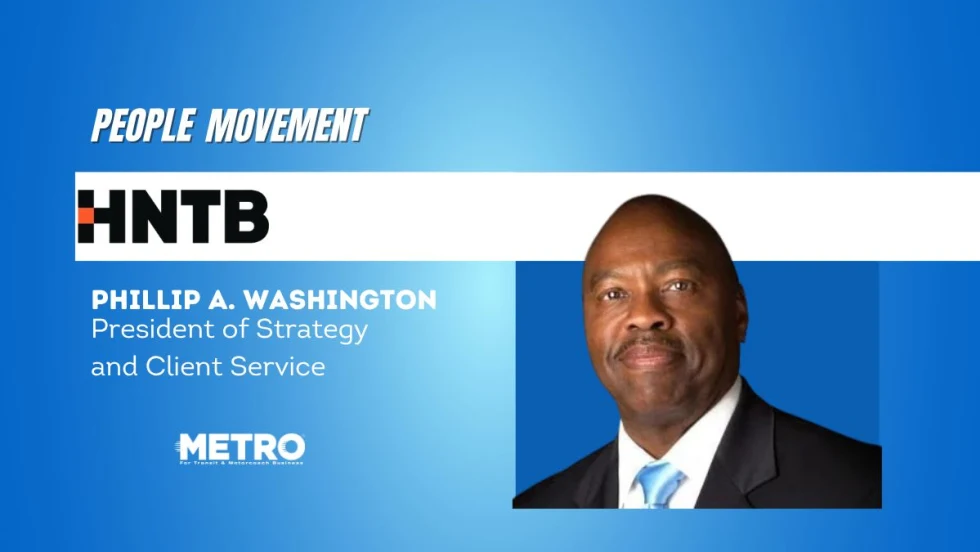
People Movement: Phil Washington Joins HNTB, Denver RTD Launches CEO Search, and More
In this edition, we also spotlight recent personnel moves at STV, the Eno Center for Transportation, and more, highlighting the people taking on new roles across the transportation industry.
Read More →
SEPTA Details Accelerate Vision for Transit System
The plan outlines investments in trolley modernization, new Metro and Regional Rail vehicles, accessible stations, and more frequent bus and rail service.
Read More →
FTA Ends Direct Oversight of MBTA Safety Actions
The federal agency closed its remaining special directive to the Massachusetts Department of Public Utilities following a safety review that began in 2022.
Read More →
Report: Transit Bus Manufacturing Supports 34,100 Jobs, $5.1B in GDP
The “Buses Mean Business” report examines the transit bus manufacturing industry’s economic footprint, supply chain, and rising demand for vehicle replacements.
Read More →
LIT Marks 10-Year Milestone at Annual Summit
Hosted by the COTA from September 10 to 13, the Summit carried the theme “Celebrating 10 Years of Excellence, Leadership, and Impact,” with every part of the program honoring the people, agencies, and partners who built LIT over its first decade.
Read More →
People Movement: Dan Dipert Coaches Adds Third-Generation Leader, Keolis Names New Valley Metro VP/GM, and More
In this edition, we also cover recent appointments and announcements at the Wabtec, SilverRide, HNTB, and more, showcasing the individuals helping to shape the future of transportation.
Read More →
METRO Opens Submissions for 2026 Motorcoach Awards
Nominations are now being accepted for METRO Magazine’s Operator of the Year and Innovative Operator of the Year awards.
Read More →