



Toronto's '25 Budget Freezes Fares, Increases Frequencies, Safety
The $2.8-billion combined operating budgets for both the TTC conventional system and Wheel-Trans represent a 6.5% increase over the approved 2024 budgets and ensures safe, reliable, and affordable service for TTC customers.

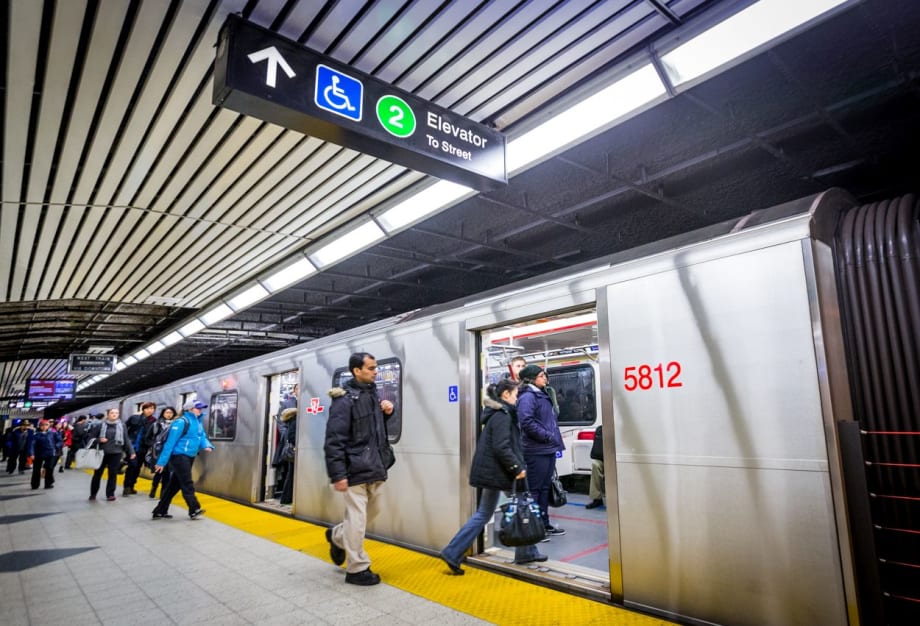
The TTC's recommended 2025-2034 Capital Budget and Plan of $16.395 billion is $5.1 billion higher than last year's Capital Budget and, represents the largest funding increase since 2019.
Photo: TTC
The Toronto Transit Commission (TTC) board approved its 2025 operating and capital budgets that freezes fares for the second straight year, adds the most service in a decade, improves system safety and cleanliness, and invests more than $16 billion in long-term capital projects.
The $2.8-billion combined operating budgets for both the TTC conventional system and Wheel-Trans represent a 6.5% increase over the approved 2024 budgets and ensures safe, reliable, and affordable service for TTC customers.
2025 TTC Budget Highlights
Highlights of the 2025 budget:
Freezes TTC fares at 2023 prices.
Allocates $33 million to preserve and build on service increases made in 2024 and address rising demand on weekends and evenings, as well as challenges posed by road congestion. The overall increased service hours will match pre-pandemic levels.
Increases Wheel-Trans funding by $14.2 million to meet the rising demand.
Establishes a pilot project on 11 routes across the city to reduce bunching and gapping of vehicles in real-time through enhanced on-street route management.
Funds operating and maintenance costs for the opening of Lines 5 and 6 in 2025 as well as full-year operations on the Line 3 SRT bus replacement service.
Creates a new subway stations management pilot program to add more staff and improve cleanliness at six priority locations (Scarborough Town Centre bus terminal, and Kennedy, Dundas, Finch, Spadina, and Lansdowne stations).
"I want to thank our Board and Mayor Chow for supporting considerable investments in our operations and long-term projects," said TTC CEO Greg Percy. "Bringing more customers to the TTC requires a system that is safe, reliable, and affordable, and these budgets accomplish that."
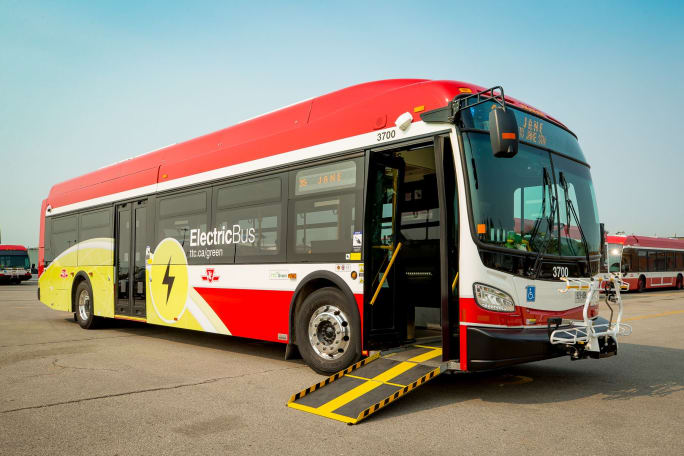
The additional investments reduce the TTC's SOGR funding backlog by almost 50% from $8.2 billion by 2033 to a projected $4.3 billion over the next 10 years.
Photo: TTC
Budget Increase
The recommended 2025-2034 Capital Budget and Plan of $16.395 billion is $5.1 billion higher than last year's Capital Budget and, represents the largest funding increase since 2019.
Almost $4.9 billion of the increase is dedicated to crucial unfunded state-of-good-repair (SOGR) work, such as track safety and reduced speed zones and projects to make all stations accessible.
The additional investments reduce the TTC's SOGR funding backlog by almost 50% from $8.2 billion by 2033 to a projected $4.3 billion over the next 10 years.
Highlights include:
55 replacement subway trains on Line 2 with the recently announced $1.5 billion matching Federal and Provincial funding ($2.3 billion total project cost).
Investments in approximately 700 eBuses and 950 charging systems totaling $1.2 billion over the next five years, with a total project cost of approximately $2.4 billion.
Bus, Streetcar, and Subway fleet overhaul programs directly resulting from the $500 million funding provided through the city’s reallocation of the Gardiner/DVP funding.
Targeted station/transit priority investments of $15 million over 2025 and 2026 to improve station conditions and aesthetics; to pilot a public address system upgrade and station lighting LED retrofit at six key stations and install red paint treatment on existing city roads, intersections and TTC stations to improve transit priority and safety and support fare compliance at station entrances.
More Management
From the Show Floor: What’s Happening at APTA TRANSform & EXPO 2026
Follow the latest product launches, partnerships, technology updates, and transit industry announcements coming out of APTA TRANSform & EXPO in Chicago.
Read More →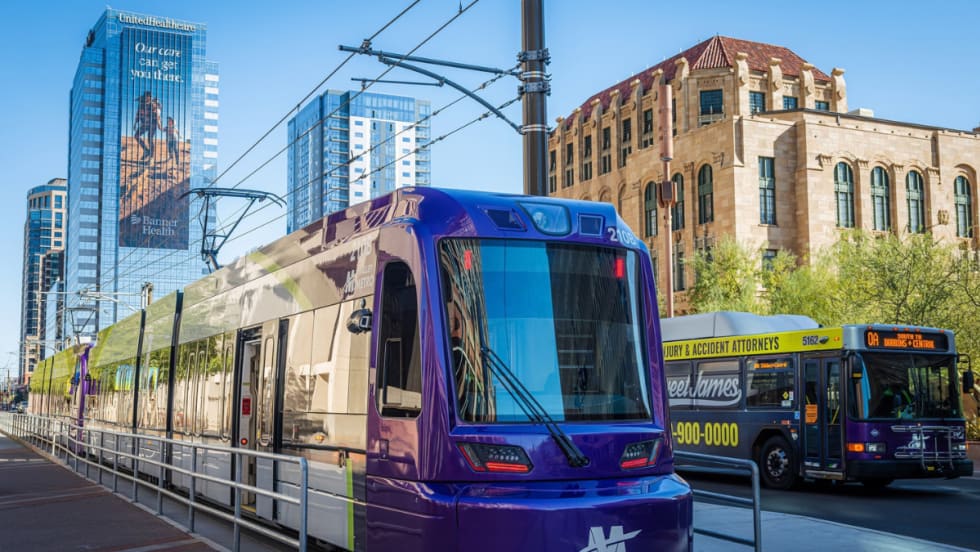
How Valley Metro Is Balancing Transit Growth With the Rider Experience
The APTA award-winning agency is pairing rapid system expansion with investments in workforce, safety, technology, and the fundamentals of transit service.
Read More →
Bus Tech Talk: Keeping Transit Technicians Ahead of the Technology Curve
In this episode of Bus Tech Talk, Complete Coach Works’ Business Development Manager Mark Hollenbeck and METRO’s Executive Editor Alex Roman sit down with Obed Mejia, Senior Technical Trainer for Bus Maintenance, at LA Metro to discuss how rapidly evolving bus technology is changing the maintenance shop — and the skills technicians need to keep pace.
Read More →
Michael Schneider Joins Paslay Group to Expand Transportation Practice
The longtime transportation executive will help Paslay Group grow its advisory and program management work across transit, highway, and other infrastructure sectors.
Read More →
People Movement: Connectpoint Expands Leadership Team, Stadler Names New Group CEO, and More
In this edition, we also spotlight recent personnel moves at Burns, UZURV, and more, highlighting the people taking on new roles across the transportation industry.
Read More →
More Than a Summer Job: Building the Next Generation of Transit Talent
The Delaware River Port Authority and PATCO have transformed their internship program into a hands-on professional development experience that introduces students to the breadth of transportation careers — and creates a pipeline for future employees.
Read More →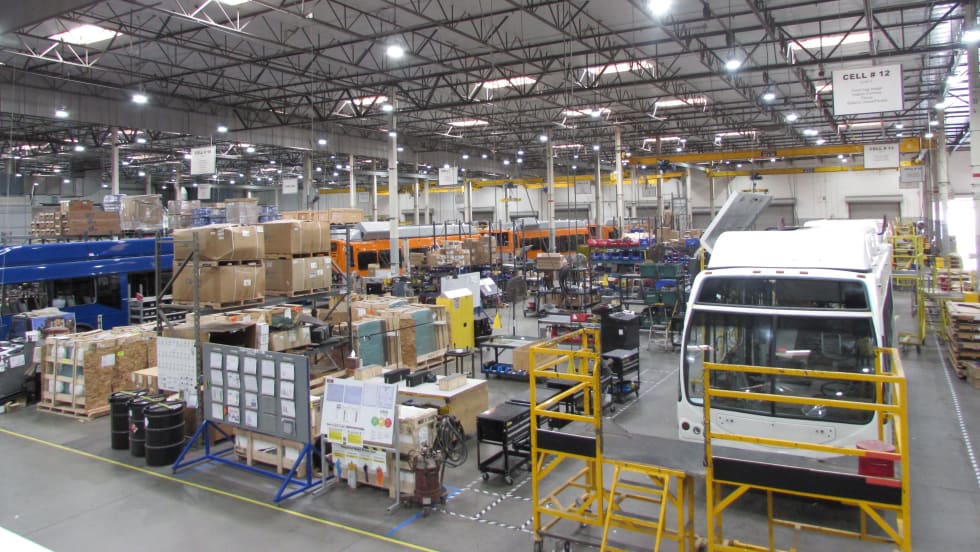
LA Metro Board Awards 220 Battery-Electric Bus Contract to ENC
The contract, which is the largest base award of battery-electric buses by a U.S. transit agency, will be built in Southern California, sustaining good jobs as LA prepares to welcome the world in 2028
Read More →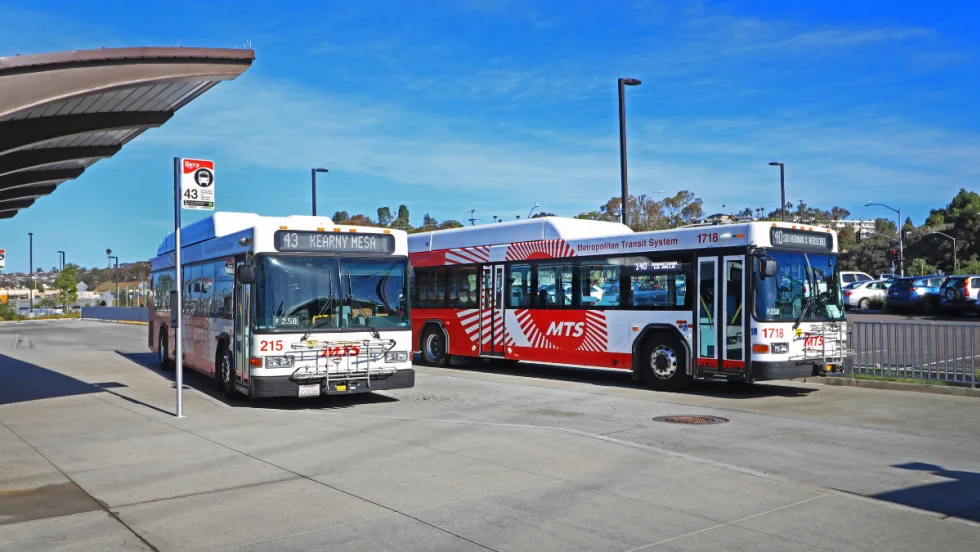
What’s Behind San Diego MTS’s Award-Winning Transit Strategy
Named one of APTA’s 2026 Outstanding Public Transportation Systems with 50 million or more annual passenger trips, California’s San Diego Metropolitan Transit System points to gains in ridership, safety, technology, and reliability as foundations of its success.
Read More →
Public Transit Conference Returning to GFX in 2027, Call for Papers Now Open
The Call for Papers is now open, allowing transit agency professionals and industry experts to help shape the PTC educational program by submitting session ideas for consideration.
Read More →
Indian River Transit’s Community-Focused Approach Earns National Recognition
Named APTA’s 2026 Outstanding Public Transportation System in its size category, Florida’s Indian River County transit system continues to grow ridership through fare-free service and a focus on evolving community needs.
Read More →