



US DOT Awards PANYNJ $1.89B Loan for Midtown Bus Terminal Reconstruction
The loan supports construction of bus storage and staging facilities, new ramps accessing the Lincoln Tunnel, and 3.5 acres of publicly accessible open green space — the first phase of a $10 billion plan for a new 2.1-million-square-foot main terminal.

The new PANYNJ Midtown Bus Terminal will replace the 74-year-old obsolete and deteriorated terminal with a world-class facility.
Photo: US DOT
The U.S. Department of Transportation’s (DOT’s) Build America Bureau (Bureau) provided a $1.89 billion Transportation Infrastructure Finance and Innovation Act (TIFIA) to the PANYNJ to modernize the Midtown Bus Terminal, one of the world’s busiest bus terminals, serving 65 million annual passengers.
The loan supports construction of bus storage and staging facilities, new ramps accessing the Lincoln Tunnel, and 3.5 acres of publicly accessible open green space — the first phase of a $10 billion plan for a new 2.1-million-square-foot main terminal.
The Bureau helps communities accelerate delivery of infrastructure projects and reduce project costs by providing low-interest, flexible term loans and other financing tools.
“For decades, one of the busiest bus terminals in the world deteriorated and needed major upgrades and modernization,” said Assistant Secretary for Transportation Policy Christopher Coes. “With over 250,000 daily passengers and even higher demand predicted, this project is crucial to the region and the health of our economy, creating 6,000 construction jobs in the process.”
The New PANYNJ Midtown Bus Terminal
The new PANYNJ Midtown Bus Terminal will replace the 74-year-old obsolete and deteriorated terminal with a world-class facility.
Reliable and efficient bus service between New York and New Jersey is critical to the interconnected economies of both states, as hundreds of thousands of New Jersey residents work in New York City.
The new terminal will accommodate projected commuter growth between now and 2050, provide a best-in-class customer experience that serves the region’s 21st-century public transportation needs, and enhance the surrounding community.
The Bureau loan will improve the Port Authority’s near-term cash flows and enable it to efficiently advance construction of this critical project as it continues to recover from the impacts of COVID-19 and delivers on its other critical transportation projects. PANYNJ will repay the loan using net revenues from all facilities.
“The approval of a federal TIFIA loan for this phase of our bus terminal replacement project further demonstrates the unprecedented public and governmental support at every level for our plan to replace a reviled and obsolete piece of infrastructure with a new, state-of-the-art facility that sits in the heart of Manhattan,” said Port Authority Executive Director Rick Cotton. “We are grateful to our federal partners at USDOT for working collaboratively with us throughout the process of securing this critical loan, and we are grateful for the support of our New York and New Jersey congressional delegations.”
Plans for the New Terminal
The new terminal will be constructed on the existing terminal site and will expand capacity, accommodate modern buses, and improve sustainability and operations.
The new bus storage and staging facilities will serve as a temporary terminal during construction and will be paired with new ramps to and from the Lincoln Tunnel, removing buses from city streets. The project also includes two “deck overs” at Dyer Avenue for bus operations during construction that will be converted to publicly accessible open green space when the project is complete.
Additionally, the project will provide for future private development of commercial office towers at the site.
More Bus
Brian Dickson on Building Stronger, More Resilient Transportation Organizations
Bus Business Consultants Founder Brian Dickson discusses the leadership principles, operational discipline, and strategic planning that separate transportation companies positioned for long-term success from those stuck in survival mode.
Read More →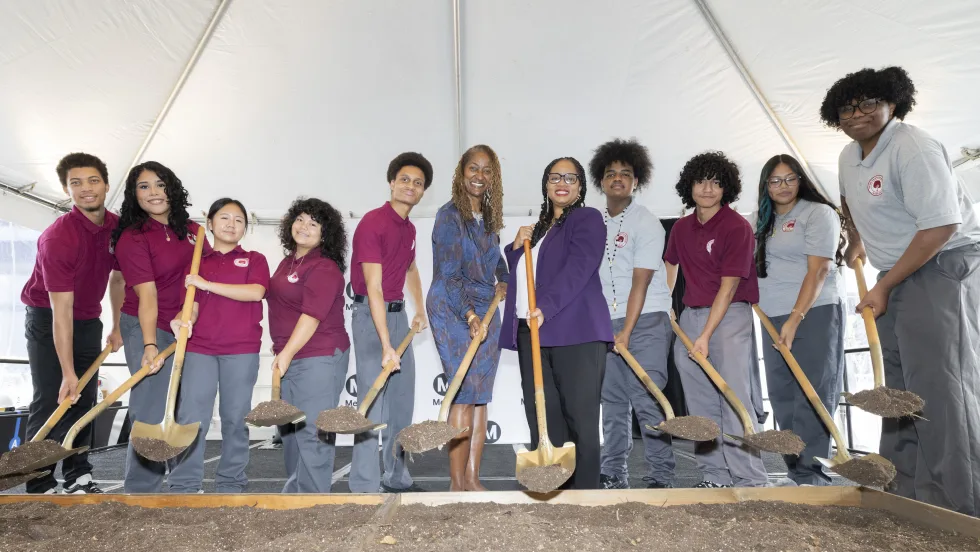
LA Metro Breaks Ground on Vermont BRT Project
The 12.4-mile corridor is projected to serve 66,200 daily riders, reduce travel times by up to 24%, and create the nation's busiest bus rapid transit corridor.
Read More →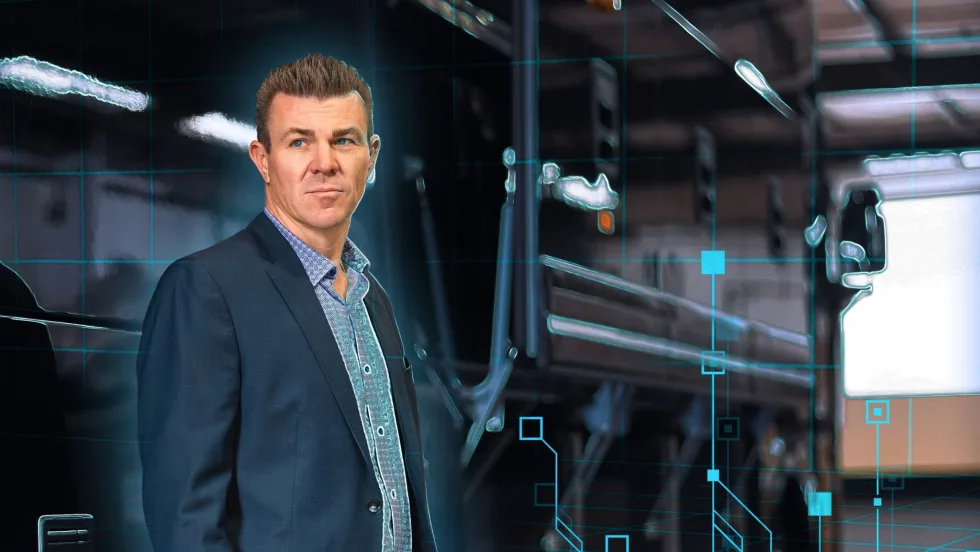
Roman Cornell on ABC Companies’ Evolution and the Future of Passenger Transportation
The company’s CEO discusses carrying forward a third-generation family legacy, ABC’s continued evolution in passenger transportation, support for increasingly complex fleets, and how technology and continued investment could help operators improve uptime.
Read More →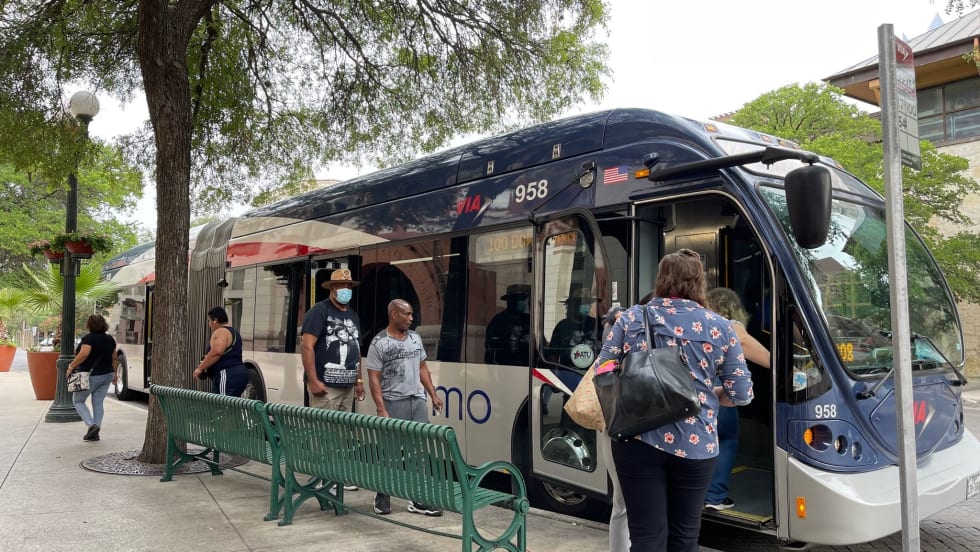
VIA Bus Ridership Grows 10.1% Through August 2026
San Antonio's VIA Metropolitan Transit reported the highest bus ridership growth among major Texas transit systems. Federal Transit Administration data ranked it second among the nation's 50 largest transit systems.
Read More →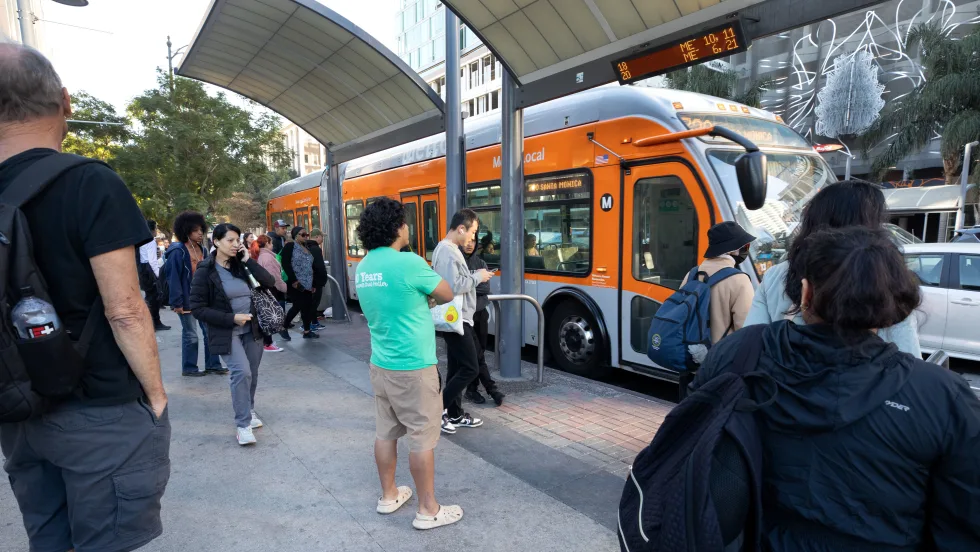
LA Metro September Ridership Climbs 3.9%, Led by Rail Growth
The agency recorded more than 27.2 million boardings, with rail ridership increasing 12.4% year over year and the D Line posting the largest gains.
Read More →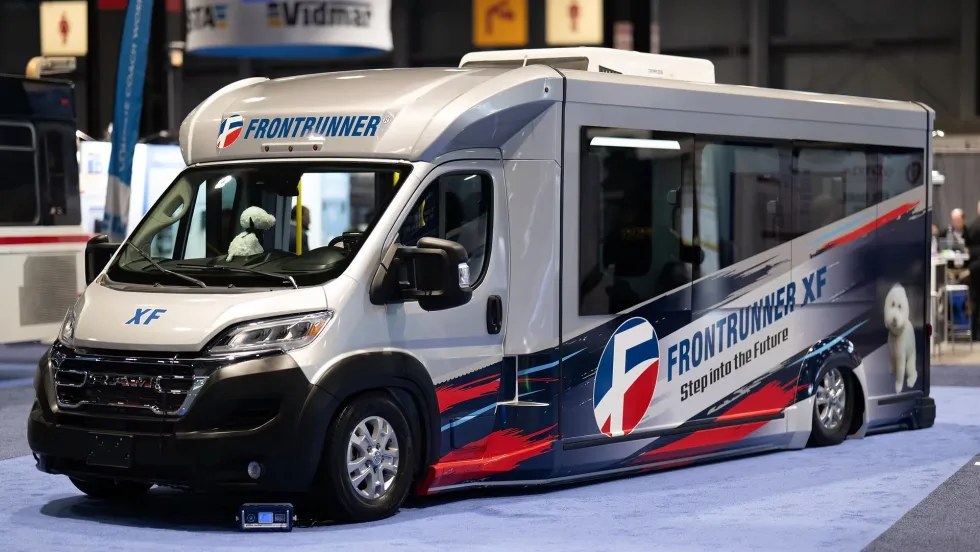
Frontrunner Bus Group Introduces XF Low-Floor Bus with Enhanced Accessibility
The new mid-sized bus features a full flat-floor design, eight-inch curbside step-in height, and zero-entry rear ramp to improve passenger access and operational flexibility.
Read More →
Scenes from APTA TRANSform & EXPO 2026
Transit leaders, manufacturers, and industry professionals gathered in Chicago to explore new technologies, share ideas, and discuss the future of public transportation.
Read More →
More Than a Summer Job: Building the Next Generation of Transit Talent
The Delaware River Port Authority and PATCO have transformed their internship program into a hands-on professional development experience that introduces students to the breadth of transportation careers — and creates a pipeline for future employees.
Read More →
LA Metro Board Awards 220 Battery-Electric Bus Contract to ENC
The contract, which is the largest base award of battery-electric buses by a U.S. transit agency, will be built in Southern California, sustaining good jobs as LA prepares to welcome the world in 2028
Read More →
Public Transit Conference Returning to GFX in 2027, Call for Papers Now Open
The Call for Papers is now open, allowing transit agency professionals and industry experts to help shape the PTC educational program by submitting session ideas for consideration.
Read More →