



Study Addresses Mobility Needs for AAPI Older Adults
AAPI older adults face a variety of challenges — including language and cultural barriers, anti-Asian hate, accessibility, and traffic safety — that might limit mobility and thus quality of life.

The AAPI community is projected to constitute 11% of people 65 years and older in the U.S. by 2050.
Photo: METRO
The latest Mineta Transportation Institute (MTI) research, “Understanding Mobility-Related Challenges for AAPI Older Adults: A Preliminary Study in Southern California,” conducted an extensive literature review and a multi-language survey in Southern California to better understand mobility-related challenges for the Asian American Pacific Islander (AAPI) community.
The AAPI community is projected to constitute 11% of people 65 years and older in the U.S. by 2050. AAPI older adults face a variety of challenges — including language and cultural barriers, anti-Asian hate, accessibility, and traffic safety — that might limit mobility and thus quality of life.
Challenges Faced by AAPI
To improve transportation for all communities, it is important also to understand the wide-ranging challenges that different groups face.
The study found that:
Crime, such as the threat of violence or harm, was the most common concern of the survey participants, with 53% citing it as a concern.
Many survey participants indicated they avoided walking as a mode of transportation because of concerns about pedestrian safety, their own physical capabilities, and the danger of potential criminal activity.
Other challenges included traffic safety, language barriers, and general access to different transportation modes. Each of these barriers influenced individual choices to avoid specific modes.
Many AAPI seniors in Southern California are unaware of low-cost transportation options, such as Medi-Cal services, Paratransit, and ACCESS.
“This research underscores the profound impact of increased mobility, social connections, and access to community services on the quality of life among older adults, effectively mitigating social isolation and loneliness. Public transportation plays a crucial role in addressing these issues, facilitating community engagement and mobility,” explained the study’s authors.
Steps to Inclusion
To address language barriers that discourage ridership, transportation agencies should prioritize providing signage, schedules, and route information in multiple languages.
Low-cost transportation programs should also offer multilingual websites, registration forms, and phone reservations to ensure older adults can access services independently, without relying on others for help.
To combat anti-Asian hate, educational campaigns should raise awareness about its impact on AAPI communities, highlighting the rise in discriminatory incidents and encouraging community action against such behavior.
The results of this research offer government agencies and organizations recommendations for policy and program changes to benefit AAPI older adults, other populations with unique mobility challenges, and all communities.
More Management
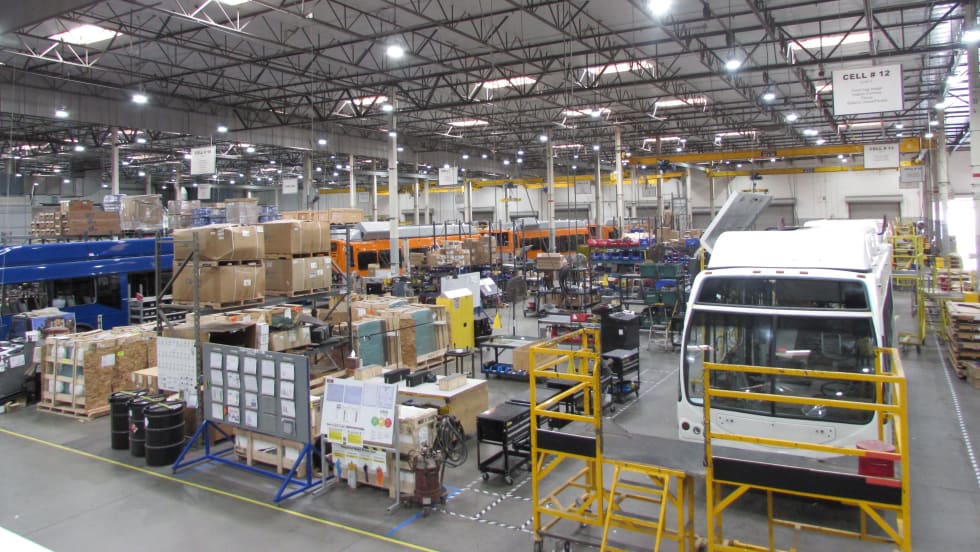
LA Metro Board Awards 220 Battery-Electric Bus Contract to ENC
The contract, which is the largest base award of battery-electric buses by a U.S. transit agency, will be built in Southern California, sustaining good jobs as LA prepares to welcome the world in 2028
Read More →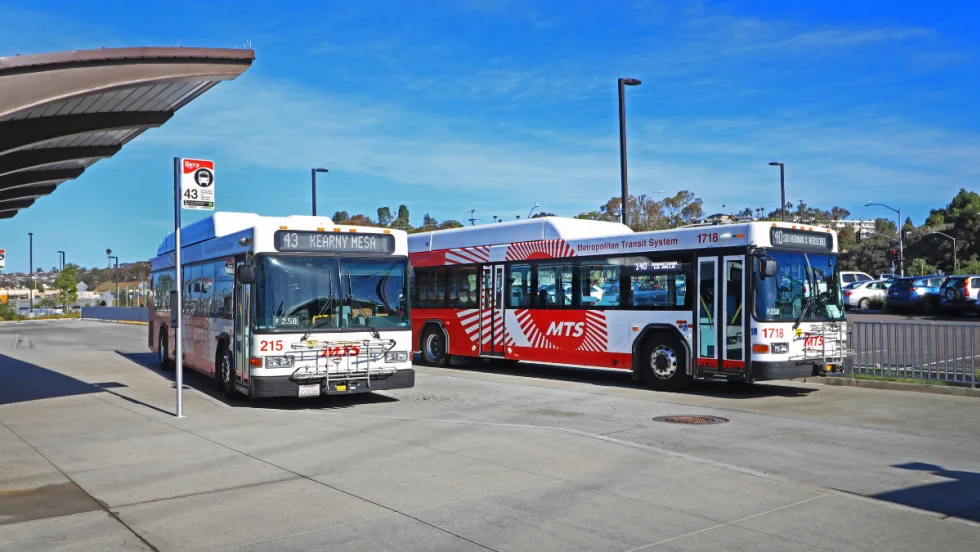
What’s Behind San Diego MTS’s Award-Winning Transit Strategy
Named one of APTA’s 2026 Outstanding Public Transportation Systems with 50 million or more annual passenger trips, California’s San Diego Metropolitan Transit System points to gains in ridership, safety, technology, and reliability as foundations of its success.
Read More →
Public Transit Conference Returning to GFX in 2027, Call for Papers Now Open
The Call for Papers is now open, allowing transit agency professionals and industry experts to help shape the PTC educational program by submitting session ideas for consideration.
Read More →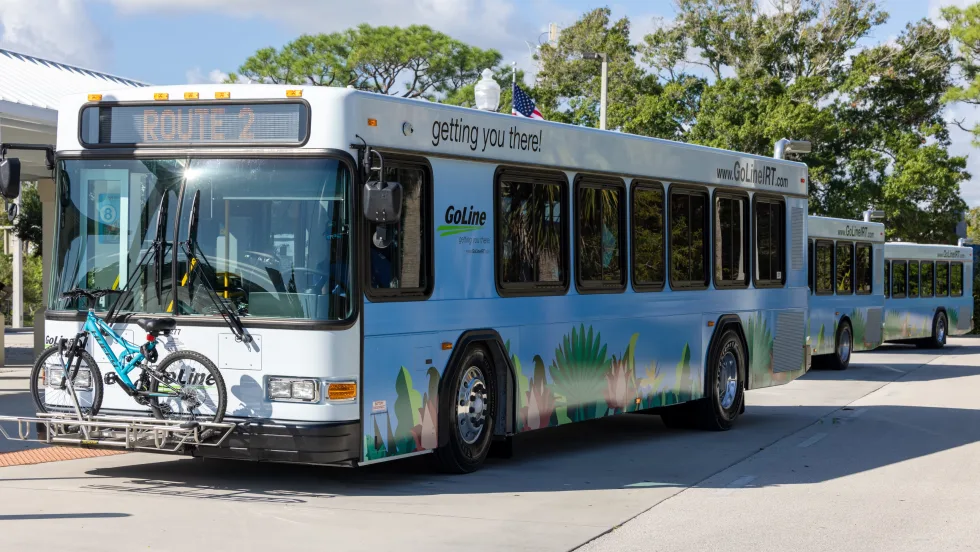
Indian River Transit’s Community-Focused Approach Earns National Recognition
Named APTA’s 2026 Outstanding Public Transportation System in its size category, Florida’s Indian River County transit system continues to grow ridership through fare-free service and a focus on evolving community needs.
Read More →
ENC Lands MATA Contract and More in Biz Briefs
In this edition of Biz Briefs, we spotlight the latest developments shaping the future of mobility.
Read More →
From Surviving to Thriving: Building Stronger Transportation Organizations
Bus Business Consultants founder Brian Dickson shares lessons on leadership, organizational health, and creating options for long-term success in a changing transportation industry.
Read More →
Everett Transit, Community Transit Outline Consolidation Agreement
The proposed agreement calls for a 50% increase in bus service in Everett, a new microtransit zone, continued paratransit service, and the transfer of Everett Transit operations to Community Transit.
Read More →
Strada360’s Steve Lassey on Turning Transit Data Into Better Decisions
From breaking down data silos to preparing for AI, Strada360 CEO Steve Lassey discusses how transit agencies can use technology to improve operations, customer information, and long-term decision-making.
Read More →
People Movement: Phil Washington Joins HNTB, Denver RTD Launches CEO Search, and More
In this edition, we also spotlight recent personnel moves at STV, the Eno Center for Transportation, and more, highlighting the people taking on new roles across the transportation industry.
Read More →
SEPTA Details Accelerate Vision for Transit System
The plan outlines investments in trolley modernization, new Metro and Regional Rail vehicles, accessible stations, and more frequent bus and rail service.
Read More →