



RATP Dev Mobility Report Shares Compass for 2030
The company's decision to focus on 2030 reflects the urgency of the challenges ahead and its commitment to delivering pragmatic, actionable solutions that drive real impact.

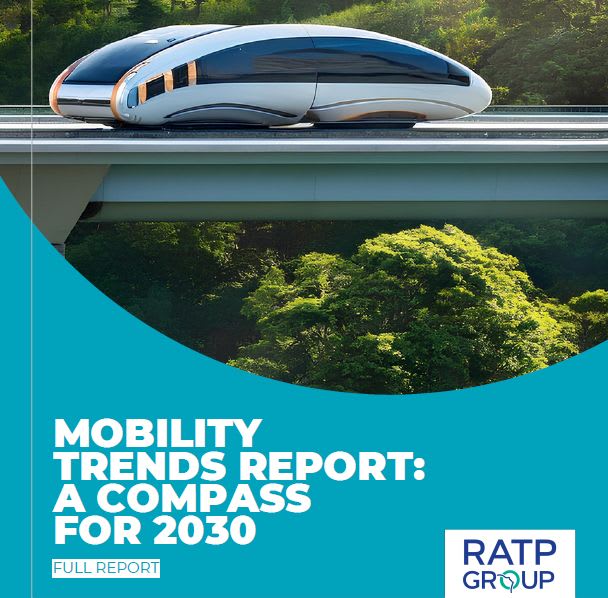
The RATP Dev report is a call to action for decision makers and the wider industry to come together and address the complexities ahead, serving as a practical guide while also offering mobility leaders the insights they need to navigate these challenges collectively.
Photo: RATP Dev
RATP Dev unveiled its "Mobility Trends Report: A Compass for 2030," exploring the eight megatrends shaping the future of mobility worldwide.
RATP Dev’s decision to focus on 2030 reflects the urgency of the challenges ahead and its commitment to delivering pragmatic, actionable solutions that drive real impact.
"We are not looking at the distant future, we are talking of a rapidly approaching reality that demands daring, collective action — now" said Hiba Farès, CEO of RATP Dev.
The report is a call to action for decision makers and the wider industry to come together and address the complexities ahead, serving as a practical guide while also offering mobility leaders the insights they need to navigate these challenges collectively.
Megatrends Reshaping the Global Landscape
Developed with foresight experts from Onepoint, the report offers a global perspective, drawing insights from over 50 interviews with international experts across 10 countries.
It also incorporates an in-depth analysis of existing studies and foresight reports, providing public authorities, transport operators, and industry stakeholders with the insights needed to tackle emerging challenges.
The report highlights eight megatrends that will impact mobility by 2030:
Climate Chage Pressures are Mounting – Preparing public transport for climate extremes through greener energy and infrastructure resilience.
Passengers Want to Feel Safer – Enhancing safety with advanced technologies and ensuring public trust in transport systems.
Employees Expect More – Leveraging automation to improve productivity and flexibility while preparing the workforce for new roles.
Demographics are in Flux – Tailoring mobility services to serve the growing elderly population while bridging generational divides.
Consumers Put A Premium on Experience – Integrating immersive technologies for a smoother passenger experience.
Data & AI-Based Technologies are Transforming the Economy – Unlocking the value of data and AI to optimize operations and create smarter mobility solutions.
Local Authorities Need to do More with Less – Exploring innovative and sustainable business models to fund future mobility systems.
Increasing Traffic Flows put Cities Under Pressure – Developing intermodality and urban logistics to support more sustainable transportation and limit traffic congestion.
RATP Dev’s Innovation
RATP Dev is already putting these trends into practice to drive new projects and innovations. Key initiatives include:
Hydrogen-powered Buses: Launched in La Roche-sur-Yon, France, as part of a commitment to sustainable energy solutions.
AI-Powered Virtual Assistants: Piloted in Brest, France, to enhance passenger information services.
Robot dog powered by AI: Tested by RATP Dev to inspect hard to reach areas (tunnels, bridges, etc.) with 360° cameras and AI analysis.
Maint’Up, a universal platform gathering and analyzing data from all kinds of equipment: Developed by RATP Dev to move toward data-driven operations.
Autonomous mobility: Leader in urban and shared autonomous mobility, RATP Group has trialed a total of 15 solutions in various configurations across France and worldwide.
Creative partnerships such as “Free Ride Day”: Offering a day of free tram travel, sponsored by companies, leveraging the visibility of the iconic Hong Kong Tramways.
The "Mobility Trends Report 2030" is more than a forecast. It’s a call to action for the public transport industry.
The study is designed to inspire, guide, and drive innovation, ensuring that the future of mobility is efficient, sustainable, and inclusive.
More Management
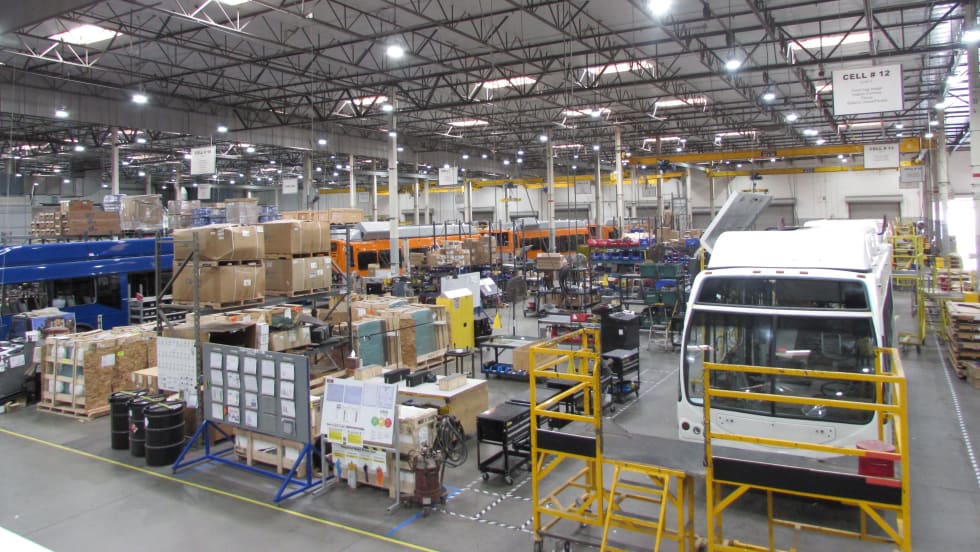
LA Metro Board Awards 220 Battery-Electric Bus Contract to ENC
The contract, which is the largest base award of battery-electric buses by a U.S. transit agency, will be built in Southern California, sustaining good jobs as LA prepares to welcome the world in 2028
Read More →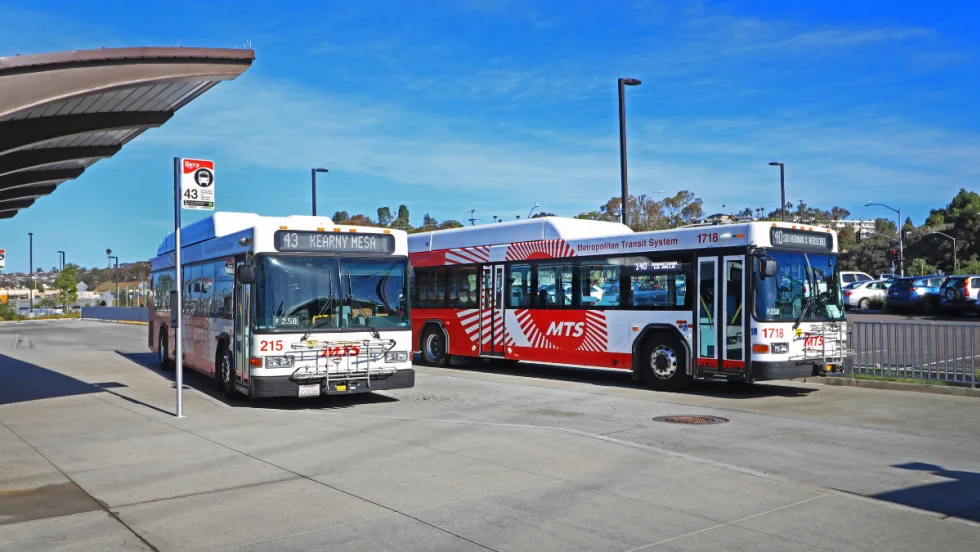
What’s Behind San Diego MTS’s Award-Winning Transit Strategy
Named one of APTA’s 2026 Outstanding Public Transportation Systems with 50 million or more annual passenger trips, California’s San Diego Metropolitan Transit System points to gains in ridership, safety, technology, and reliability as foundations of its success.
Read More →
Public Transit Conference Returning to GFX in 2027, Call for Papers Now Open
The Call for Papers is now open, allowing transit agency professionals and industry experts to help shape the PTC educational program by submitting session ideas for consideration.
Read More →
Indian River Transit’s Community-Focused Approach Earns National Recognition
Named APTA’s 2026 Outstanding Public Transportation System in its size category, Florida’s Indian River County transit system continues to grow ridership through fare-free service and a focus on evolving community needs.
Read More →
ENC Lands MATA Contract and More in Biz Briefs
In this edition of Biz Briefs, we spotlight the latest developments shaping the future of mobility.
Read More →
From Surviving to Thriving: Building Stronger Transportation Organizations
Bus Business Consultants founder Brian Dickson shares lessons on leadership, organizational health, and creating options for long-term success in a changing transportation industry.
Read More →
Everett Transit, Community Transit Outline Consolidation Agreement
The proposed agreement calls for a 50% increase in bus service in Everett, a new microtransit zone, continued paratransit service, and the transfer of Everett Transit operations to Community Transit.
Read More →
Strada360’s Steve Lassey on Turning Transit Data Into Better Decisions
From breaking down data silos to preparing for AI, Strada360 CEO Steve Lassey discusses how transit agencies can use technology to improve operations, customer information, and long-term decision-making.
Read More →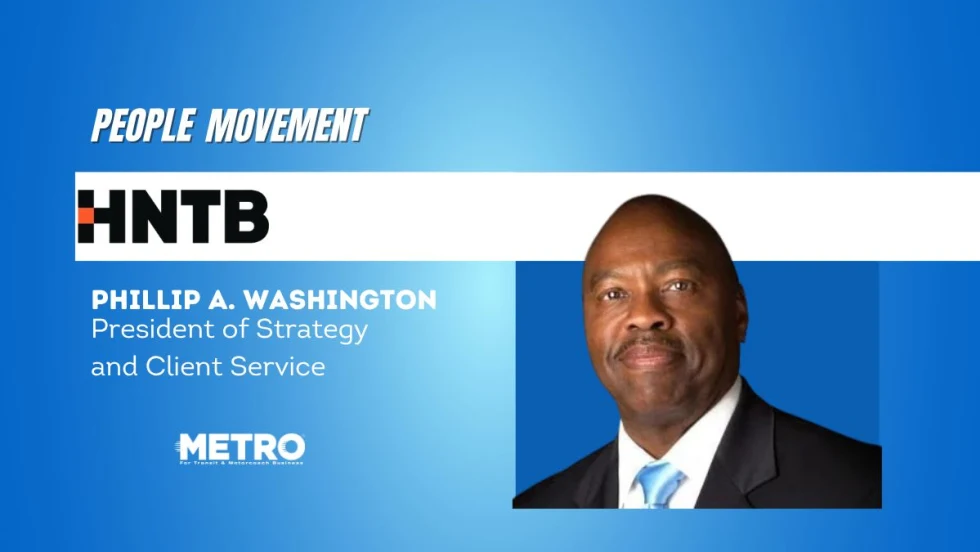
People Movement: Phil Washington Joins HNTB, Denver RTD Launches CEO Search, and More
In this edition, we also spotlight recent personnel moves at STV, the Eno Center for Transportation, and more, highlighting the people taking on new roles across the transportation industry.
Read More →
SEPTA Details Accelerate Vision for Transit System
The plan outlines investments in trolley modernization, new Metro and Regional Rail vehicles, accessible stations, and more frequent bus and rail service.
Read More →