




Report: Motorcoaches Set Standard for Clean, Connected Travel
Regulatory Rollback Could Stall Zero-Emission Bus Innovation
New resolutions may slow clean vehicle adoption, stalling momentum for zero-emission transportation and public health safeguards.
May 23, 2025
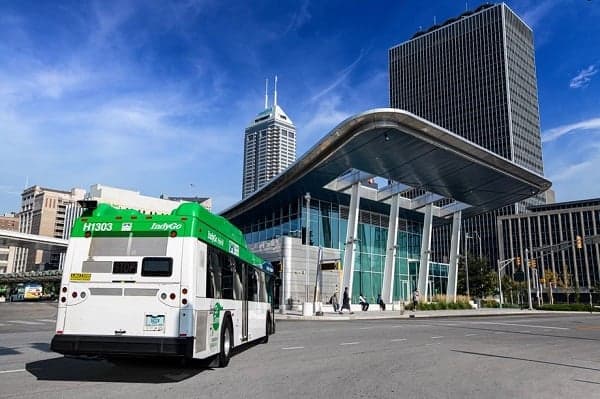
According to the Environmental Defense Fund, this is the first time Congress has moved to undermine the state's Clean Air Act authority to do so, and it comes despite direction from the Senate parliamentarian that the Congressional Review Act procedure the Senate used was not allowable.
Photo: GILLIG/Cummins
2 min to read
This week, the United States Senate passed resolutions to overturn Environmental Protection Agency (EPA) waivers and overrule the Senate parliamentarian to revoke California's authority under the Clean Air Act.
This act, which allows California to set its own vehicle emissions standards, has been upheld by Republican and Democratic administrations for over 50 years. It has enabled the state to significantly reduce air pollution while spurring decades of innovation in the automotive industry, making today's zero-emission vehicles and buses possible.
In the vote, the Senate overturned three regulations that would have pushed for more "clean" cars, trucks, and buses over the next 15 years. These waivers allowed California to implement the Advanced Clean Trucks (ACT), Advanced Clean Cars II (ACC II), and Heavy-Duty Omnibus (HDO) regulations.
According to the Environmental Defense Fund, this is the first time Congress has moved to undermine the state's Clean Air Act authority to do so, and it comes despite direction from the Senate parliamentarian that the Congressional Review Act procedure the Senate used was not allowable.
"This move concedes the industries of the future to global competitors, will increase air pollution, accelerate global warming, and result in significant job loss," John Boesel, Calstart president and CEO, said. "This vote upends decades of policy that has successfully resulted in cleaner air and the growth of a robust clean transportation industry."
House Joins Senate in Challenging EPA Safeguards
Additionally, the House of Representatives has passed Senate Joint Resolution 31, which would allow more cancer-causing hazardous air pollution from more than 1,800 industrial facilities and evasion from the EPA's longstanding clean air safeguards. The measure passed 216-212, with one Republican joining all Democrats in opposition.
If signed by the president, according to the Natural Resources Defense Council, this resolution would mark the first time Congress and the President overturned an EPA safeguard against hazardous air pollution, allowing industrial facilities to increase hazardous emissions.
According to Calstart, dismantling these regulations may slow the acceleration of clean vehicle innovation, modernizing transportation fleets, expanding domestic supply chains, and growing clean manufacturing jobs nationwide. Plus, this change may undermine competitive momentum in U.S.-based clean transportation and electric bus manufacturing.
Without clear mandates or support for zero-emission bus adoption, delays in replacing diesel buses or missing out on incentives tied to regulations may become the norm again. However, curtailing California's ability to lead on emissions could create issues between state lines, where some could enforce stricter rules or propose inconsistent standards.
More Zero Emissions

Building a Flexible Path to Transit Electrification with BAE's John Hroncich
John Hroncich discusses BAE Systems’ modular and scalable approach, lessons learned from decades of real-world operations, and how agencies can identify electrification strategies that fit their fleets.
Read More →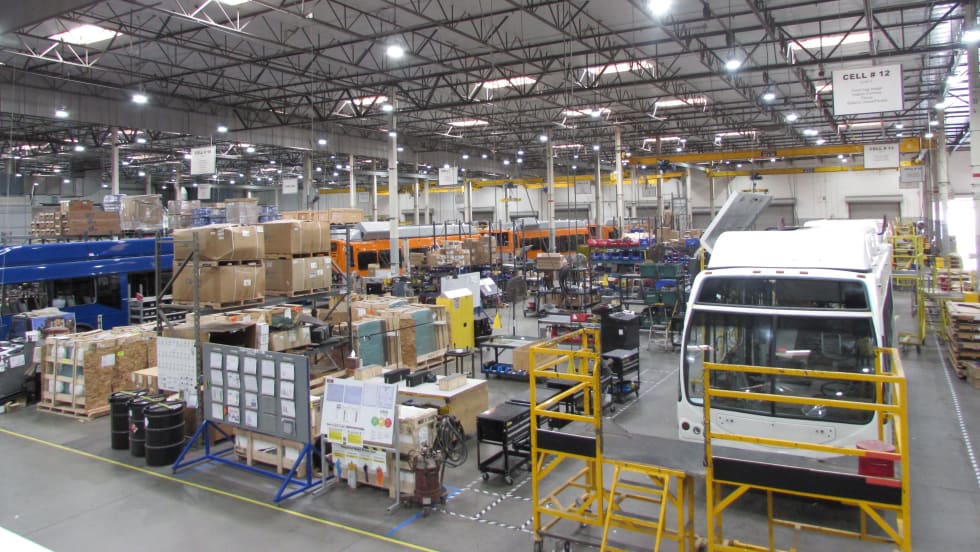
LA Metro Board Awards 220 Battery-Electric Bus Contract to ENC
The contract, which is the largest base award of battery-electric buses by a U.S. transit agency, will be built in Southern California, sustaining good jobs as LA prepares to welcome the world in 2028
Read More →
Public Transit Conference Returning to GFX in 2027, Call for Papers Now Open
The Call for Papers is now open, allowing transit agency professionals and industry experts to help shape the PTC educational program by submitting session ideas for consideration.
Read More →
Report: Transit Bus Manufacturing Supports 34,100 Jobs, $5.1B in GDP
The “Buses Mean Business” report examines the transit bus manufacturing industry’s economic footprint, supply chain, and rising demand for vehicle replacements.
Read More →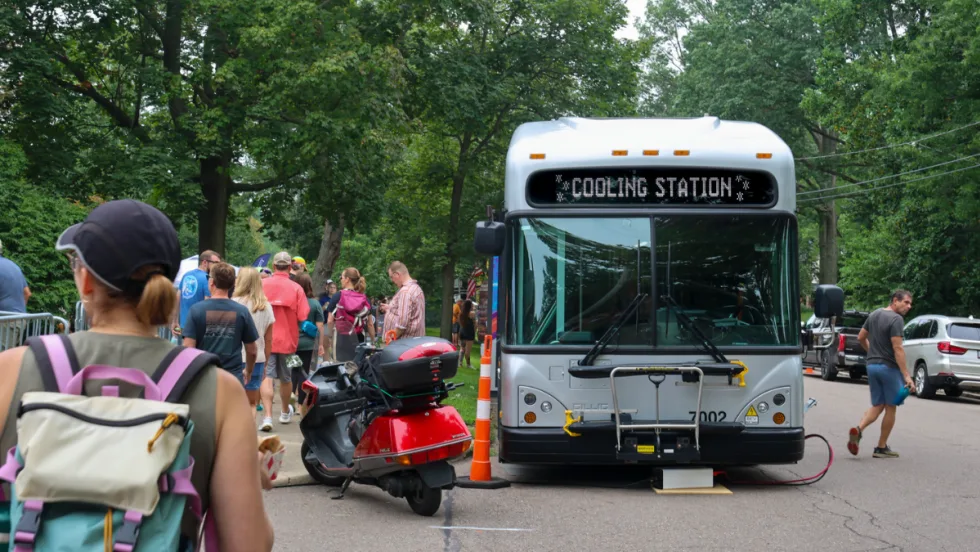
Ohio’s METRO RTA Turns Electric Buses into Mobile Power Sources at PorchROKR
See how three Gillig battery-electric buses powered festival stages while the agency’s new Park & Ride service carried approximately 1,000 attendees, demonstrating another potential use for transit agencies’ electric fleets.
Read More →
CALSTART and Forth Combine to Form Catalyst Mobility
The new name represents a renewed vision for the nonprofit focused on advancing clean, equitable, and affordable transportation solutions that move people and goods.
Read More →
Building a Flexible Path to Transit Electrification
John Hroncich discusses BAE Systems’ modular and scalable approach, lessons learned from decades of real-world operations, and how agencies can identify electrification strategies that fit their fleets.
Read More →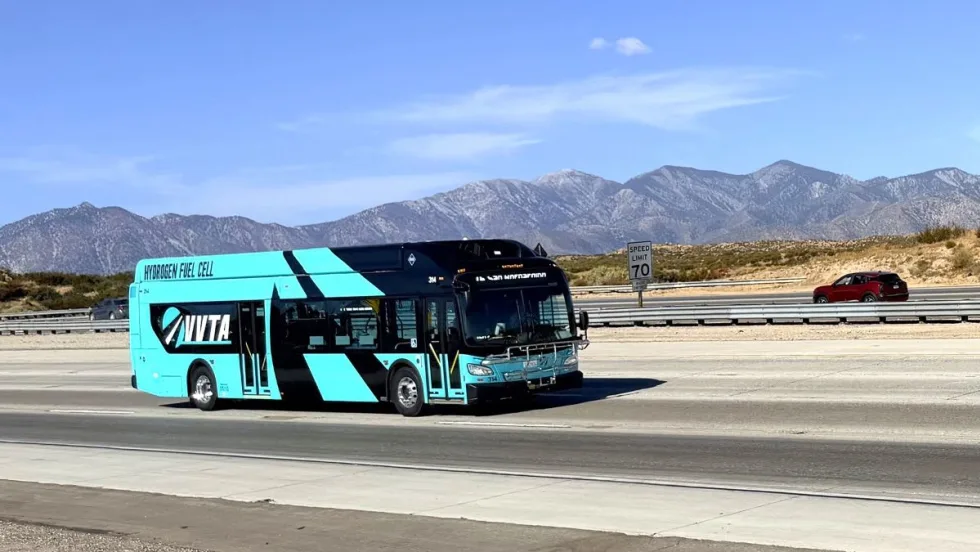
California's VVTA Begins Phased Rollout of Hydrogen Fuel Cell Buses
The agency is introducing 13 zero-emission buses into revenue service while evaluating performance across its urban, rural, and long-distance routes.
Read More →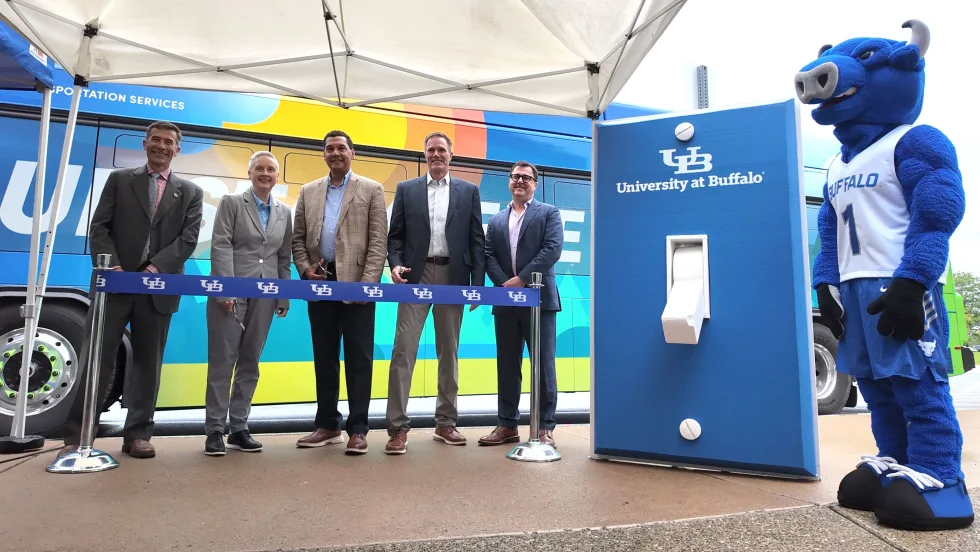
Inside Look: University at Buffalo Puts First 8 Electric Buses Into Stampede Service
UB, transportation solutions provider WeDriveU, and fleet electrification specialist Zenobē marked the deployment in the presence of students, university administrators, and local officials.
Read More →
Biz Briefs: OCTA Taps Clean Energy for Hydrogen Station, Stadler to Supply Via Rail Vehicles, and More
From manufacturers and suppliers to transit agencies and motorcoach operators, these updates offer a snapshot of the projects, partnerships and business moves driving the industry forward.
Read More →