




Keep Reading: Regulatory Rollback Could Stall Zero-Emission Bus Innovation
Brampton and Zenobē Power Up Largest Zero Emission Transit Project in Canada
The framework aims to deploy 1,000 zero-emission buses, drawing on U.K.-Canada collaboration to decarbonize transit, boost local jobs, and transform public transportation in Ontario.
June 23, 2025
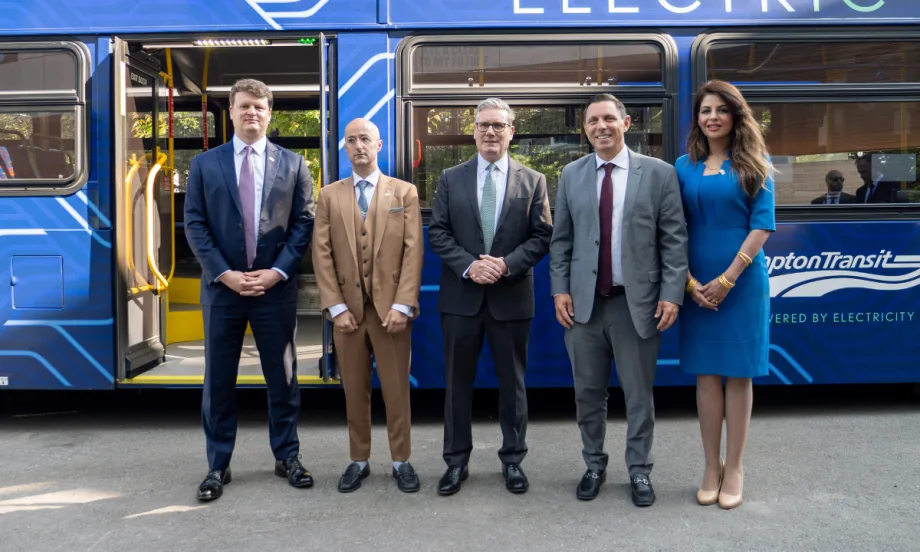
Left to Right: Zenobē Global Direcor of EV Fleet Tim Boothman; Zenobē Co-Founder and Director Steven Meersman; The Rt Hon Sir Keir Starmer; Brampton Mayor Patrick Brown, and Hon. Fouzia Younis, U.K.’s Consul-General to Ontario.
Photo: Zenobē
3 min to read
Zenobē, a global fleet electrification and battery storage specialist headquartered in London, and the City of Brampton, Ontario, recently announced their leadership of a group of U.K. and Canada-based partners, including TD Securities Inc. and OEMs.
The group will launch an approximately $2.9 billion partnership to support the zero emissions transition of the Brampton Transit bus fleet.
This effort will mark the first phase of a 10-year electrification framework, serving Toronto’s largest suburb and supporting the transition to a zero-emission public transit system.
According to a company release, this initiative highlights the power of public and private partnerships and will bring approximately $725 million in foreign investment into Canada, further strengthening U.K.-Canadian business ties.
“Canada is showing real leadership through this partnership,” Steven Meersman, co-founder and director of Zenobē, said. “What makes Brampton unique is its long-term vision and willingness to lean into innovation and collaboration. Electrifying an entire fleet is a cultural shift. We’re proud to help Brampton lead the way in zero-emission transit as a model for other communities.”
Brampton Rolls Out Zero Emission Transit Goals
Plus, using zero-emission buses (ZEB) in the Brampton project will help reduce greenhouse gas emissions, improve local air quality, and decrease noise pollution.
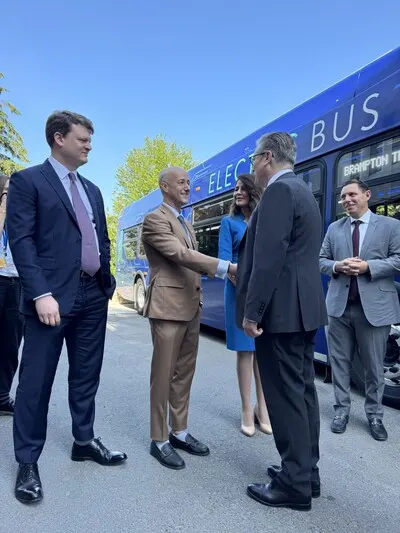
The delegation gathers in Ottawa, Canada, highlighting international collaboration and the growth of clean transit solutions.
Photo: Zenobē
According to a release from the city of Brampton, the program is expected to eliminate the majority of transit-related greenhouse gas emissions, accounting for approximately 70% of the city’s corporate GHG emissions.
The partnership intends to bring 1,000 electric buses to the roads and replace the city’s diesel vehicles. It will initially support current routes and ridership numbers of more than 40 million passengers annually.
The first stage should be completed in 2027 with a third of the entire fleet electrified and two existing transit facilities upgraded.
According to a company statement, the framework expects that all three Brampton facilities and targeted on-route locations will be fully electrified to support the zero-emission fleet by 2030.
“This landmark partnership between Zenobē and the City of Brampton is a powerful example of how U.K.-Canada collaboration can deliver real-world solutions to global challenges,” Hon. Fouzia Younis, U.K.’s consul-general to Ontario, said.
Coordinated Effort Drives Brampton’s Shift to a Fully Electric Bus Fleet
Brampton will procure electric buses from Canadian suppliers, with planning and design, software, supply chain relationships, and capital markets expertise provided through the Zenobē team.
The initiative also includes comprehensive technical experience and knowledge from the U.K. and dedicated electrical and civil engineering teams on the ground in Brampton.
However, transitioning a city’s bus fleet to electric while keeping day-to-day operations running smoothly can be complex. Still, Zenobē’s responsibility for infrastructure, financing, workforce training, and long-term operations and Brampton’s local leadership and vision are joining together to mitigate any transition risks.
Infrastructure must be upgraded or built without disrupting current service, and charging schedules, grid capacity, and vehicle range must be balanced. When paired with the right planning, this approach de-risks the transition and ensures value for riders and the greater community of stakeholders.
“This historic investment marks a turning point for Brampton and for public transit across Canada,” Brampton Mayor Patrick Brown said. “By transitioning to a fully electric bus fleet, we’re not only reducing emissions — we’re creating jobs, improving air quality, and building a cleaner, healthier future for our residents.”
More Bus
Brian Dickson on Building Stronger, More Resilient Transportation Organizations
Bus Business Consultants Founder Brian Dickson discusses the leadership principles, operational discipline, and strategic planning that separate transportation companies positioned for long-term success from those stuck in survival mode.
Read More →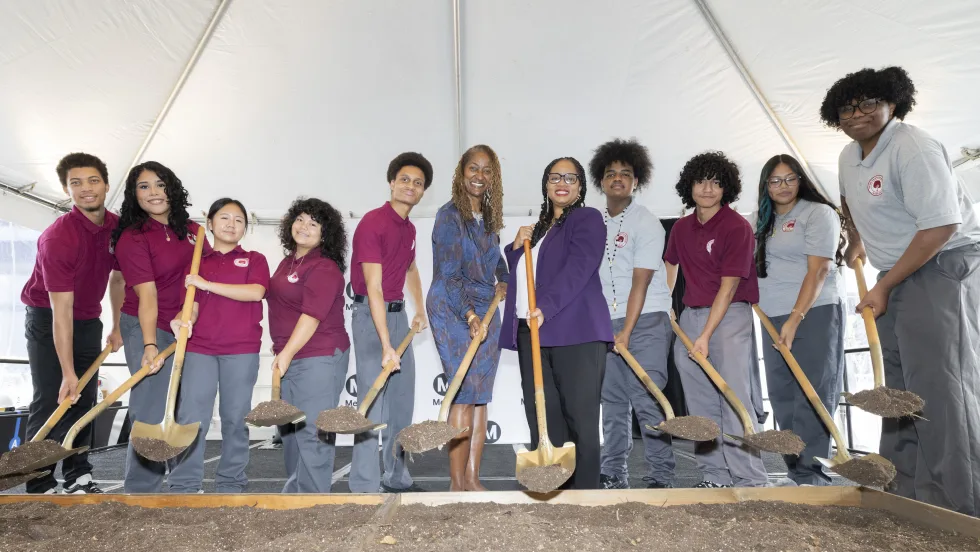
LA Metro Breaks Ground on Vermont BRT Project
The 12.4-mile corridor is projected to serve 66,200 daily riders, reduce travel times by up to 24%, and create the nation's busiest bus rapid transit corridor.
Read More →
Roman Cornell on ABC Companies’ Evolution and the Future of Passenger Transportation
The company’s CEO discusses carrying forward a third-generation family legacy, ABC’s continued evolution in passenger transportation, support for increasingly complex fleets, and how technology and continued investment could help operators improve uptime.
Read More →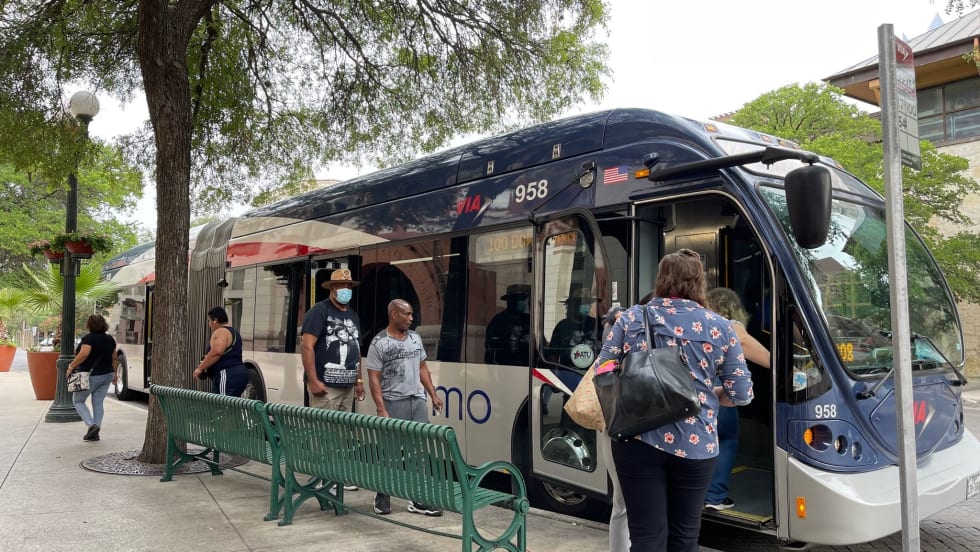
VIA Bus Ridership Grows 10.1% Through August 2026
San Antonio's VIA Metropolitan Transit reported the highest bus ridership growth among major Texas transit systems. Federal Transit Administration data ranked it second among the nation's 50 largest transit systems.
Read More →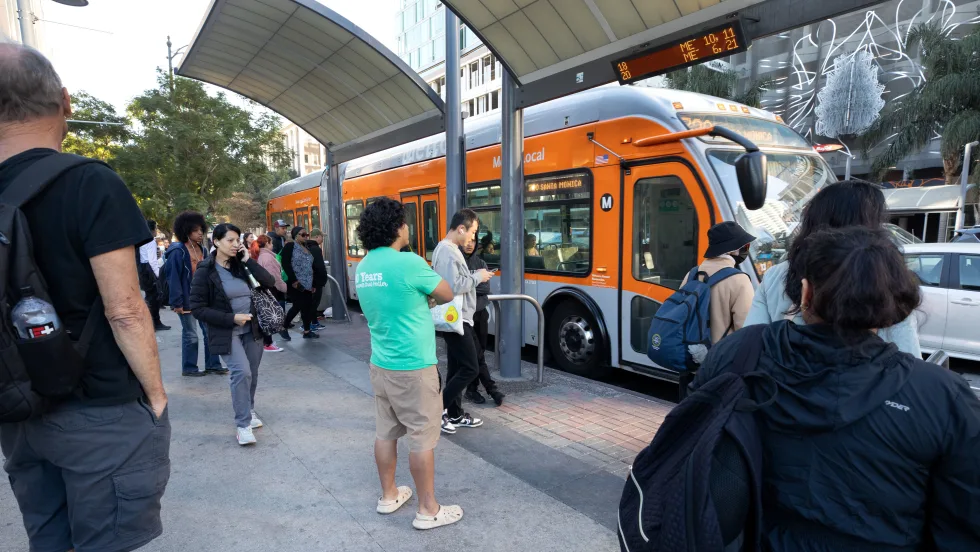
LA Metro September Ridership Climbs 3.9%, Led by Rail Growth
The agency recorded more than 27.2 million boardings, with rail ridership increasing 12.4% year over year and the D Line posting the largest gains.
Read More →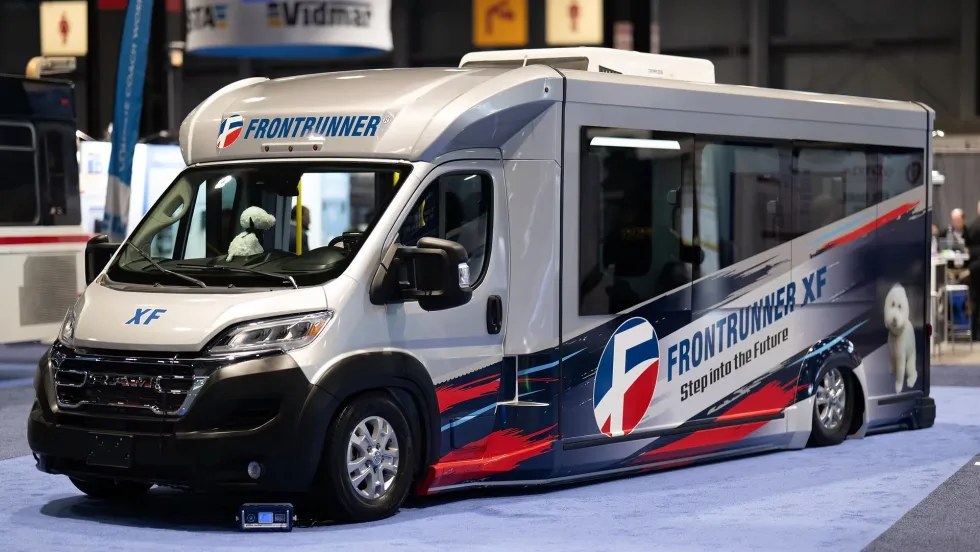
Frontrunner Bus Group Introduces XF Low-Floor Bus with Enhanced Accessibility
The new mid-sized bus features a full flat-floor design, eight-inch curbside step-in height, and zero-entry rear ramp to improve passenger access and operational flexibility.
Read More →
Scenes from APTA TRANSform & EXPO 2026
Transit leaders, manufacturers, and industry professionals gathered in Chicago to explore new technologies, share ideas, and discuss the future of public transportation.
Read More →
More Than a Summer Job: Building the Next Generation of Transit Talent
The Delaware River Port Authority and PATCO have transformed their internship program into a hands-on professional development experience that introduces students to the breadth of transportation careers — and creates a pipeline for future employees.
Read More →
LA Metro Board Awards 220 Battery-Electric Bus Contract to ENC
The contract, which is the largest base award of battery-electric buses by a U.S. transit agency, will be built in Southern California, sustaining good jobs as LA prepares to welcome the world in 2028
Read More →
Public Transit Conference Returning to GFX in 2027, Call for Papers Now Open
The Call for Papers is now open, allowing transit agency professionals and industry experts to help shape the PTC educational program by submitting session ideas for consideration.
Read More →