



Walsh-Fluor Design-Build Team, Stantec Celebrate Opening of 4 New CTA Red Line Stations
The newly rebuilt, fully accessible stations replace century-old infrastructure and reflect one of the most significant capital investments in CTA history.

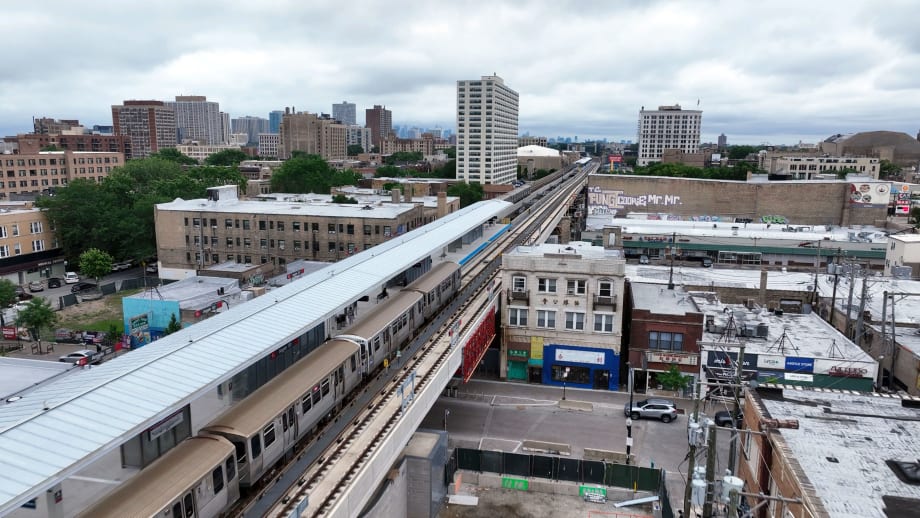
The Walsh-Fluor Design-Build Team also completed 1.9 miles of new elevated track structure, constructed to meet modern clearance standards and eliminate center-street columns, resulting in improved sightlines for pedestrians and motorists.
Photo: Stantec
The Walsh-Fluor Design-Build Team, including lead designer Stantec, joined the Chicago Transit Authority (CTA) in celebrating the grand opening of the new Lawrence, Argyle, Berwyn, and Bryn Mawr Red Line stations, a significant milestone in the $2.1 billion Red Purple Modernization (RPM) Phase One Project.
The newly rebuilt, fully accessible stations replace century-old infrastructure and reflect one of the most significant capital investments in CTA history.
The openings mark the successful reconstruction of 1.3 miles of elevated track structure between Lawrence and Bryn Mawr, as well as significant upgrades to bridges, viaducts, and systems, ultimately delivering faster, safer, and more reliable service for CTA riders.
The Team and the Project
The Walsh-Fluor Design-Build Team is led by Walsh Construction and Fluor Corporation as joint venture partners, with Stantec serving as the lead designer and EXP, International Bridge Technologies, and Atlas Technical Consultants as prominent subconsultant designers.
Each new station offers a significantly improved customer experience with:
Elevators and escalators at main entrances.
Wider platforms for enhanced comfort and safety.
Translucent overhead canopies for weather protection.
Upgraded signage, equipment, and seating.
As part of this transition, the temporary Argyle and Bryn Mawr stations, which have been serving customers during construction, have permanently closed and will be demolished.
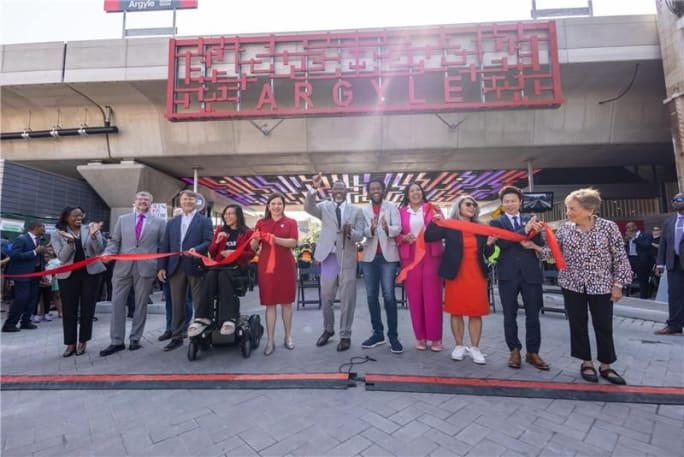
The openings mark the successful reconstruction of 1.3 miles of elevated track structure between Lawrence and Bryn Mawr, as well as significant upgrades to bridges, viaducts, and systems, ultimately delivering faster, safer, and more reliable service for CTA riders.
Photo: Stantec
Additional Improvements
The Walsh-Fluor Design-Build Team also completed 1.9 miles of new elevated track structure, constructed to meet modern clearance standards and eliminate center-street columns, resulting in improved sightlines for pedestrians and motorists. The new structure replaces deteriorated viaducts and embankments that dated back to the early 1900s.
Additionally, a new signal system, spanning 23 track miles between Howard and Belmont, has replaced a 60-year-old system. This new system will enhance train spacing and reliability, ultimately contributing to smoother operations system-wide.
Delivering these improvements within one of Chicago’s most constrained transit corridors required innovation and precision, according to Walsh-Fluor, including:
The Walsh-Fluor Design-Build Team deployed a custom 285-foot overhead gantry crane, named the “Windy City Gantry,” to install precast concrete segments from above, minimizing surface disruption.
A 55-ton Mi-Jack rubber-tired gantry was also used to support top-down construction methods in spaces with as little as six inches of lateral clearance from adjacent buildings.
Construction sequencing minimized service impacts while maximizing safety and efficiency for workers and the public.
In a blend of preservation and progress, the historic Vautravers Building, a 127-year-old greystone, was shifted approximately 30 feet west to allow for a straighter track alignment while maintaining a cherished architectural landmark.
“Transformational projects like this are complex and require a village of dedicated and passionate team members from our engineering team in collaboration with our contractor partners and the CTA,” said Dena Abakumov, transit and rail sector lead at Stantec. “Delivering this project in a dense urban environment required our teams to bring forward new ideas to put the community experience at the forefront of our design, and to support Walsh-Flour and CTA to minimize disruptions to the community.”
Another key element of Phase One is the Red-Purple Bypass, completed in 2021, which eliminated a critical bottleneck at Clark Junction where Red, Purple, and Brown Line trains previously intersected at grade.
The bypass now allows Red Line trains to flow freely under northbound Brown Line service on the Bypass, improving reliability and enabling more trains to run during peak service.
More Rail
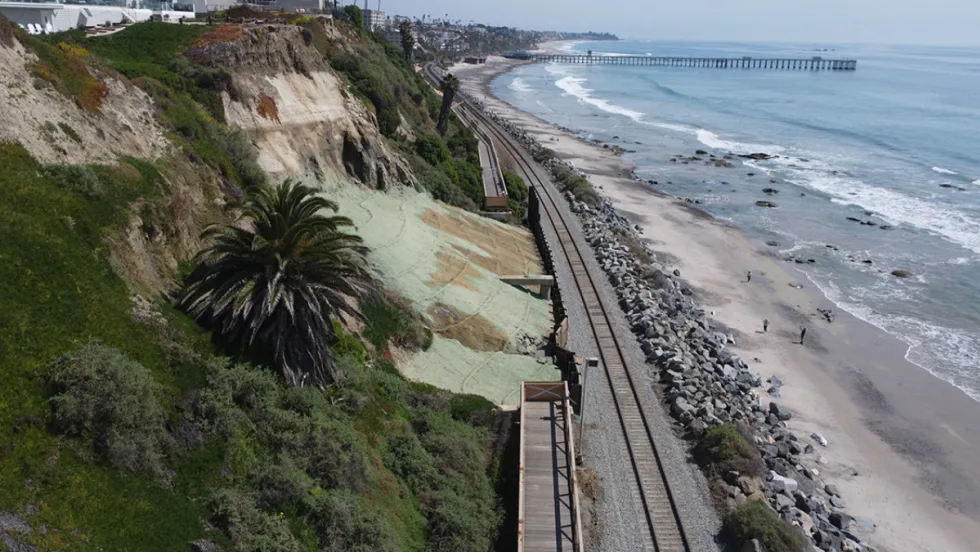
OCTA Declares Emergency to Protect Rail Corridor From Coastal Erosion
The California agency is accelerating shoreline protection and plans to place approximately 690,000 cubic yards of sand along the San Clemente coast to protect a key passenger and freight rail link.
Read More →
More Than a Summer Job: Building the Next Generation of Transit Talent
The Delaware River Port Authority and PATCO have transformed their internship program into a hands-on professional development experience that introduces students to the breadth of transportation careers — and creates a pipeline for future employees.
Read More →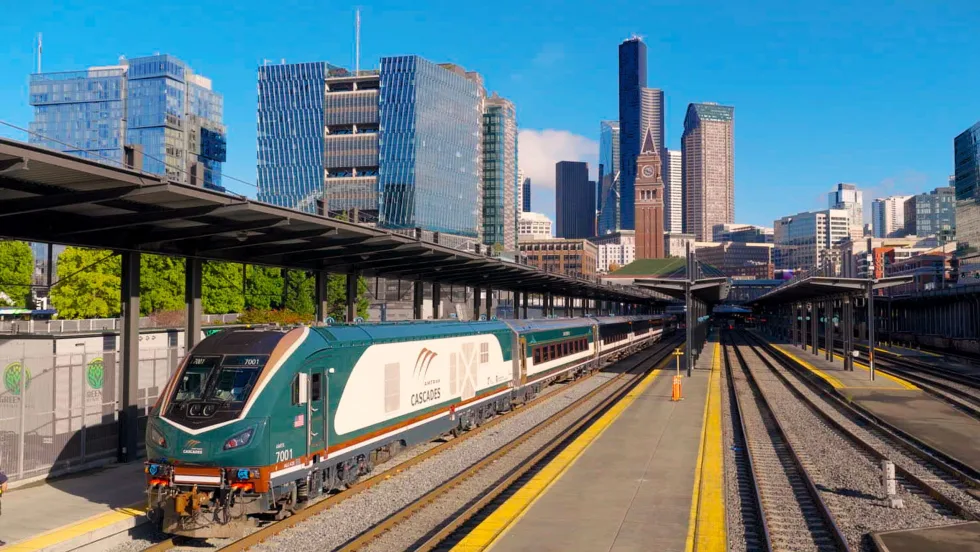
Airo Trains Make Their Amtrak Cascades Debut in the Pacific Northwest
Effective immediately, two cutting-edge Airo trainsets will join the Amtrak Cascades route, operating four daily trips between Vancouver, B.C., Seattle, Portland, and Eugene, Oregon, marking the first introduction of Airo trains into passenger service anywhere in the country.
Read More →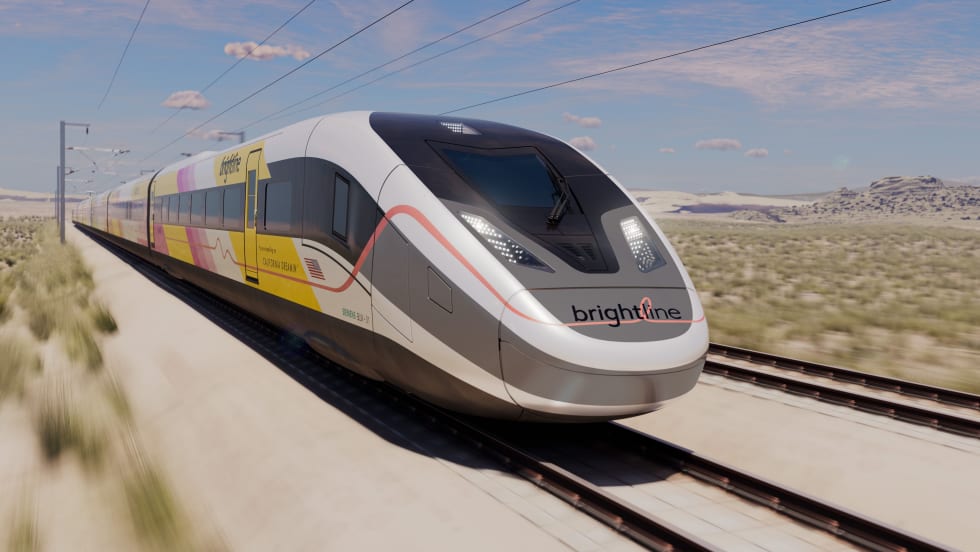
Florida's Brightline Announces Financial Restructuring
Brightline Florida says train operations will continue as normal as certain parent entities enter Chapter 11 and financial stakeholders provide $490 million in new long-term capital.
Read More →
ENC Lands MATA Contract and More in Biz Briefs
In this edition of Biz Briefs, we spotlight the latest developments shaping the future of mobility.
Read More →
Strada360’s Steve Lassey on Turning Transit Data Into Better Decisions
From breaking down data silos to preparing for AI, Strada360 CEO Steve Lassey discusses how transit agencies can use technology to improve operations, customer information, and long-term decision-making.
Read More →
SEPTA Details Accelerate Vision for Transit System
The plan outlines investments in trolley modernization, new Metro and Regional Rail vehicles, accessible stations, and more frequent bus and rail service.
Read More →
FTA Ends Direct Oversight of MBTA Safety Actions
The federal agency closed its remaining special directive to the Massachusetts Department of Public Utilities following a safety review that began in 2022.
Read More →
Amtrak, CN Reach Agreements to Strengthen Passenger Rail Service, Safety
The agreement resolves a more than decade-long proceeding before the Surface Transportation Board concerning the terms and conditions for Amtrak services, such as the City of New Orleans, Illini/Saluki, and Wolverine.
Read More →
New York MTA Advances Final Contract for Second Avenue Subway Expansion
Contract Four is the largest in the Second Avenue Subway Phase 2 project and includes construction of station infrastructure, tracks, and signals for the subway expansion, MTA officials said. Work on Contract Four will begin in 2027.
Read More →