




Miss This? TTC Surpasses 100 Battery-Electric Buses in Service
Canada and Toronto Move to a Single-Source TTC Subway Contract
Ontario and Toronto back a single-source deal with Alstom for 70 new TTC subway trains, securing manufacturing jobs and reliable service.
August 18, 2025
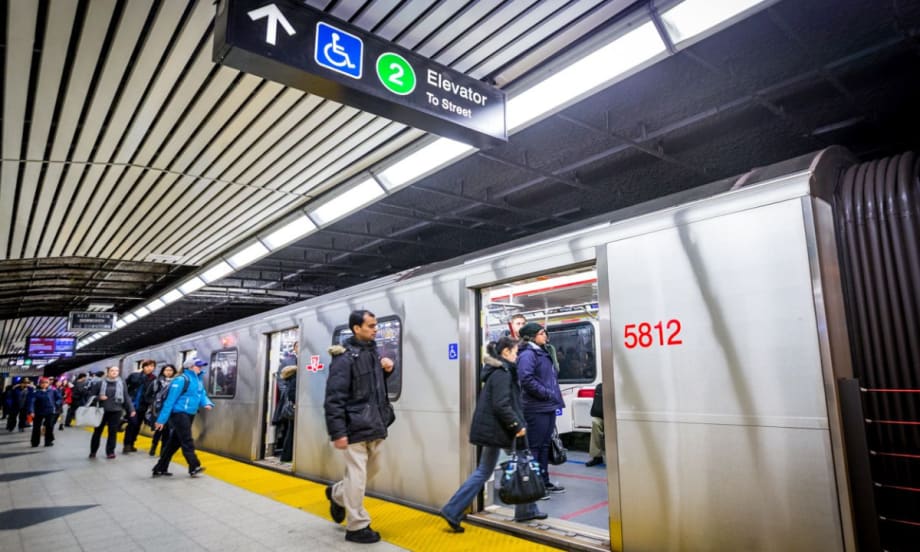
The TTC’s single-source decision aims to secure Canadian manufacturing jobs while ensuring reliable new subway trains for Toronto riders.
Photo: TTC
2 min to read
The Government of Canada, the Province of Ontario, and the City of Toronto have given the Toronto Transit Commission (TTC) the go-ahead to pursue a single-source contract for new Line 2 subway trains with Alstom Transport Canada Inc.
According to a commission release, with U.S. tariffs and economic uncertainty, the decision will support Canadian and Ontario workers with manufacturing jobs and ensure reliable trains for Toronto transit riders. The current competitive process for the trains has been cancelled, and all bidders have been notified.
To ensure that Alstom delivers trains at a fair market price, maximizes the creation of Canadian jobs, and benefits Toronto, Alstom must:
Deliver a product that is compliant with the TTC’s original requirements.
Maximize Canadian content and create Canadian jobs.
Its pricing is subject to an independent third-party market price assessment.
It is expected that negotiations will occur over the next few months, with a report back to the TTC Board on the status of negotiations by the end of the year.
“To build the strongest economy in the G7, we need to ensure our investments are protecting jobs and championing industries right here in Canada,” said Minister of Housing and Infrastructure of Canada Gregor Robertson. “By partnering with Ontario, Toronto, and the TTC, we are delivering reliable, affordable, and sustainable public transit and supporting good-paying jobs in Canada. We can all feel proud that these trains will be built for Canadians by Canadians.”
The base procurement is for 70 six-car train sets in total:
55 trains, jointly funded by the federal, provincial, and city governments, to replace aging trains on Line 2.
15 trains for the Yonge North and Scarborough extensions.
“Torontonians need fast and reliable transit. With our Line 2 subway cars coming to the end of their lifespan, we’re partnering with Provincial and Federal governments to buy new trains to keep TTC riders moving,” Toronto Mayor Olivia Chow said. “Together, we’re building a better transit system and supporting Canadian workers and jobs in this challenging trade climate.”
The contract would include options to procure additional trains to meet future needs when funding is committed and subject to Alstom’s performance. The TTC is working on keeping the aging Line 2 fleet operating safely and reliably until new trains arrive.
More Rail

New York MTA Advances Final Contract for Second Avenue Subway Expansion
Contract Four is the largest in the Second Avenue Subway Phase 2 project and includes construction of station infrastructure, tracks, and signals for the subway expansion, MTA officials said. Work on Contract Four will begin in 2027.
Read More →
San Diego MTS Breaks Monthly Trolley Ridership Record
Agency officials said July’s ridership indicates MTS’s continued recovery from the pandemic.
Read More →
Report Examines NJ TRANSIT Reliability, Funding Challenges
The Garden State Initiative analysis examines the roles of Amtrak infrastructure, fleet management, and agency operations while recommending a more performance-based approach to improving reliability.
Read More →
Stadler, CapMetro Sign Long-Term Rail Fleet Support Agreement
Beginning in 2027, Stadler will provide on-site technical expertise, spare parts support, training, and obsolescence management to help extend the reliability and longevity of CapMetro’s GTW fleet.
Read More →
Biz Briefs: Alstom Lands Canadian Contract, LYT to Supply California TSP, and More
In METRO's latest installment, we take a look at recent news from Complete Coach Works, Beep, FlixBus, and more partnerships making headlines across the transportation sector.
Read More →
CATS Gold Line Marks 5 Years of Service, 2.8M Passenger Trips
With a six-mile expansion planned, the Charlotte streetcar is positioned to connect more neighborhoods and major transit hubs across the region.
Read More →
Why Simulating Pedestrian Movement Has Become Essential for Modern Rail Stations
Pedestrian microsimulation is helping rail planners identify bottlenecks, test station designs, and prepare complex transit hubs for growing passenger volumes.
Read More →
Amtrak Begins Major Construction at New York’s Sunnyside Yard
The new maintenance facility will support Amtrak’s Airo trainsets while improving maintenance efficiency and turnaround times in New York.
Read More →
Chicago Leaders Unveil Plans for O’Hare Airport Express Train
The privately developed project would offer a 15-minute trip between downtown and O’Hare’s Terminal 2, with trains operating every 15 minutes on a dedicated track. The service would use battery-electric trains and three existing freight rail rights-of-way.
Read More →
OCTA Maps Out 30-Year Strategy to Protect Coastal Rail Corridor
The draft feasibility report identifies strategies to protect the coastal rail line for decades as the agency continues near-term stabilization and sand placement efforts.
Read More →