



Biz Briefs: Thermo King, Hitachi Rail, and More
Biz Briefs covers the latest supplier news in the motorcoach and public transit industries.

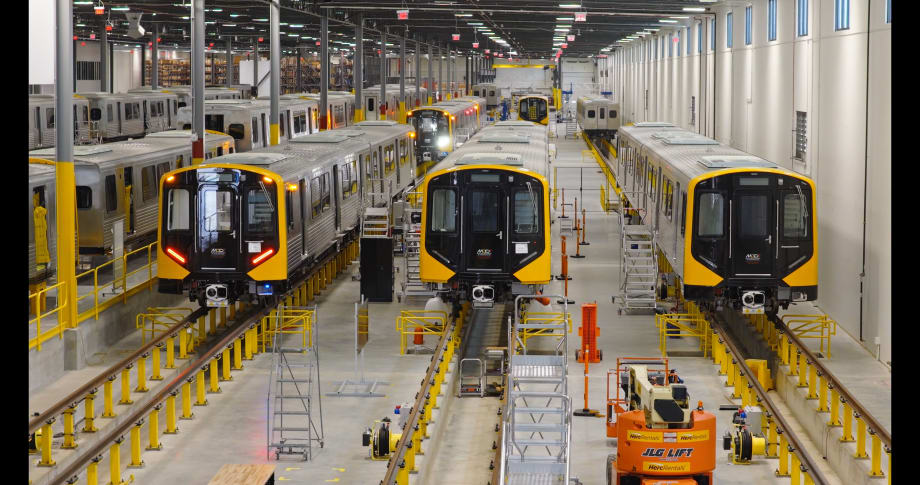
Hitachi Rail's new carbon-neutral factory, featuring over $30 million in digital enhancements, is set to deliver railcars for customers across North America, including metros in the Washington DC area, Baltimore, and Philadelphia.
Photo: Hitachi Rail
Photo: METRO
Biz Briefs covers the latest supplier news in the motorcoach and public transit industries.
In METRO's latest installment, we take a look at the latest news from suppliers including Gatekeeper, Tolar, and more.
LIRR Taps Gatekeeper for Monitoring System Upgrade
Gatekeeper Systems USA Inc. entered into contracts valued at approximately $19.55 million with the New York MTA’s Long Island Rail Road (LIRR) for the agency’s Audio Visual Recording Monitoring System Upgrade.
The project involves replacing the LIRR's audio-visual recording monitoring system on its railcar fleet in compliance with the Federal Railroad Administration's (FRA) mandate.
The FRA Mandate requires that all passenger train lead locomotives providing scheduled intercity rail passenger or commuter service be equipped with crashworthy memory modules and image recording devices before October 12, 2027.
Thermo King Introduces Bus Heat Pump for Electric Buses
Thermo King is introducing the TE Series Heat Pump, which is designed to enhance the performance of battery-electric buses in moderate and colder climates.
Part of Thermo King's all-electric, high-efficiency TE Series product line, the TE Series Heat Pump enables fleet operators to extend bus range, further reduce emissions, and maintain passenger comfort, even in challenging conditions.
The TE Series Heat Pump’s ultra-efficient design extracts heat from ambient air rather than generating heat from battery power, resulting in up to 2.5 times more energy efficiency than conventional electric resistance heaters, which translates to more miles per charge. Buses equipped with the TE Series Heat Pump can achieve up to 50% more range at moderate temperatures (40°F) and up to 30% more range at colder temperatures (20°F) compared to those using electric resistance heaters, according to Thermo King officials.
The system effectively keeps passengers warm as ambient temperatures drop to approximately 20°F without the need for backup heating. In colder climates that require auxiliary heat, the TE Series Heat Pump enables extended bus routes and reduced reliance on battery recharging. This not only decreases the frequency of recharges but also minimizes emissions at the power source.
Tolar Delivers, Installs New Bus Shelters in California
Eight new custom bus shelters have been delivered and installed in Claremont, California, through a collaboration between the City of Claremont, J Bohn Associates, and Tolar Manufacturing.
The new shelters were fabricated and installed by Tolar and designed by local architect John Bohn. The shelters create a vibrant, angular aesthetic that incorporates vibrant splashes of color on the metal walls and the stained concrete pads on the sidewalk underneath, for a fully integrated look.
The new shelters comply with the Americans with Disabilities Act and provide better sightlines for improved rider safety, and were funded with State Transportation funds designated for bus shelters and route infrastructure.
Hitachi Rail Opens Lighthouse Digital Factory in Maryland
Hitachi Rail’s lighthouse digital factory officially opened in Maryland, representing a strategic investment by Hitachi Group in North America.
The new carbon-neutral factory, featuring over $30 million in digital enhancements, is set to deliver railcars for customers across North America, including metros in the Washington DC area, Baltimore, and Philadelphia.
The lighthouse factory will also include a demonstration of One Hitachi’s technologies via an immersive and interactive customer experience center. Visitors will be able to learn about the plant’s digital enhancements to optimize quality and delivery, as well as the business’s wider solutions from modern signaling to its pioneering HMAX platform, which uses AI to optimize railway assets — an application of Lumada 3.0.
The facility, located in Hagerstown, Maryland, just north of the nation’s capital, deploys world-leading transformative technologies to create a factory that is people-centric and digitally optimized. The factory will sustain 1,300 jobs with up to 460 working directly for Hitachi Rail on site in roles that will harness AI and smart manufacturing principles and offer next-generation manufacturing careers. The total added value of the new digital site is expected to exceed $350 million per year, bringing significant economic benefits to the DC, Maryland, and Virginia regions, according to the company.
By showcasing powerful digital and transformative technologies in this factory for customers and partners, the Hitachi Group aims to address customer challenges across North America and beyond as One Hitachi, further expanding and deploying HMAX across a wide range of industries and business sectors.
American College of Surgeons and Lifesaving Technologies Team to Enhance Emergency Response
The American College of Surgeons (ACS) and Lifesaving Technologies joined forces under a transformative licensing agreement to expand access to lifesaving emergency response equipment and training to transit systems, stations, and vehicles nationwide.
The partnership builds on the proven foundation of the ACS Stop the Bleed program that transforms bystanders into immediate responders through hands-on training, the strategic placement of lifesaving stations, and widespread community education.
Under this agreement, Lifesaving Technologies is officially licensed to distribute ACS-authorized bleeding control supplies and deploy next-generation emergency aid stations, including wall-mounted units, digital kiosks, mobile event stations, and other innovative formats.
More Technology
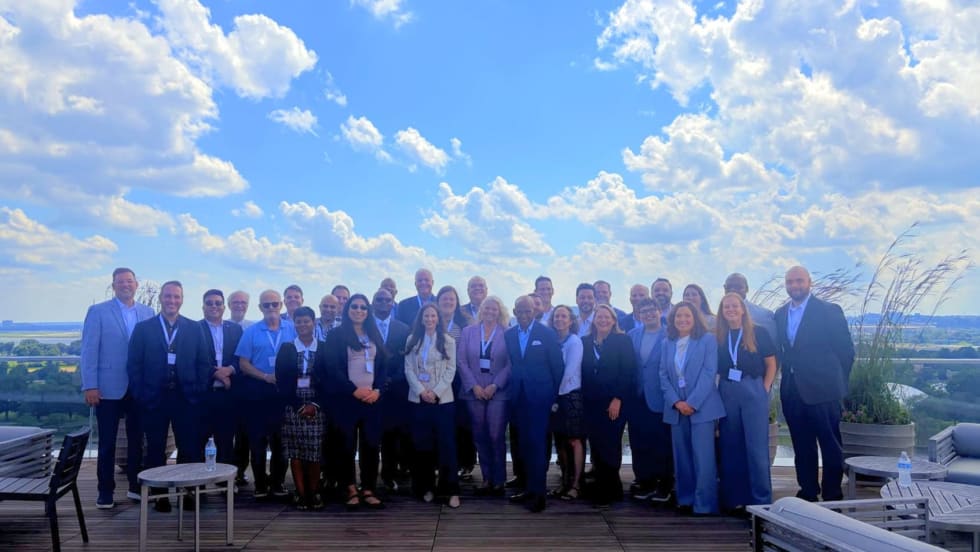
TransDASH Summit Focuses on Measuring What Matters in Transit
Transit agencies unveil a national performance platform designed to benchmark customer experience, safety, community value, and other outcomes.
Read More →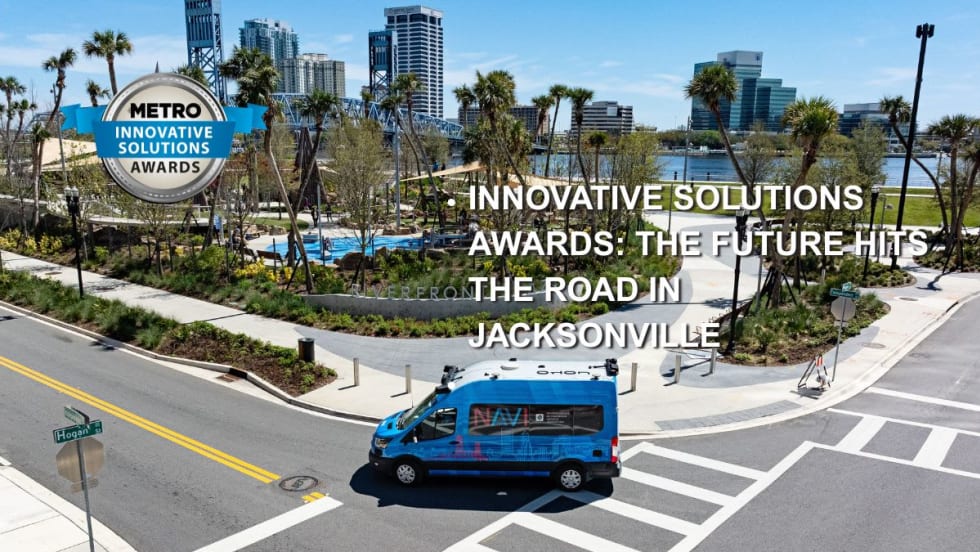
Jacksonville’s NAVI Project Charts a New Course for Autonomous Public Transportation
Through its NAVI program, JTA is showing how autonomous vehicles, intelligent infrastructure, and coordinated operations can work together to deliver everyday public transportation.
Read More →
Biz Briefs: Luminator Marks Milestone and More
From manufacturers and suppliers to transit agencies and motorcoach operators, these updates offer a snapshot of the projects, partnerships and business moves driving the industry forward.
Read More →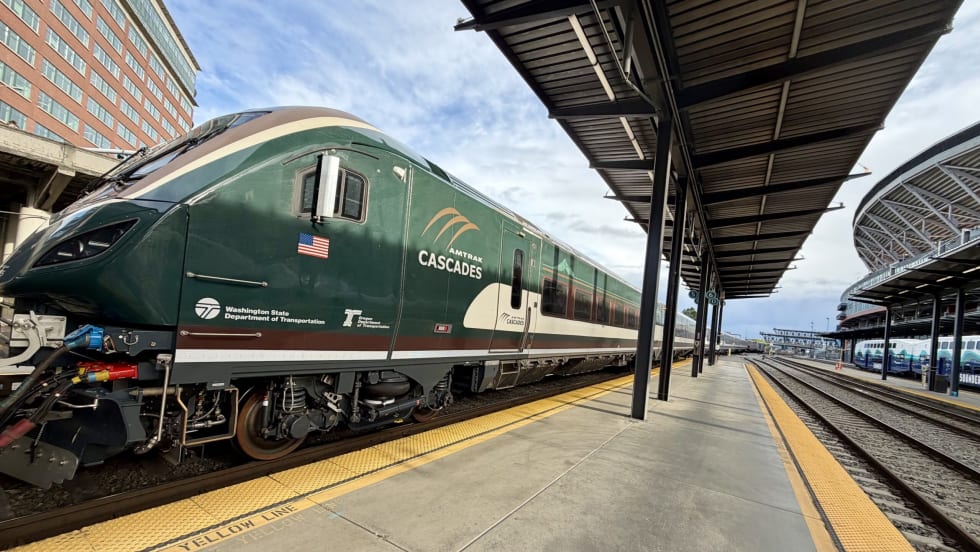
FRA Announces $5.3B in Rail Investments, Including $2B for Amtrak
Funding will support grade-crossing improvements, infrastructure upgrades, and new Amtrak equipment in 23 states.
Read More →
Finding the ‘Happy Medium’: Optimizing Maintenance Without Sacrificing Reliability
The key to maintenance optimization isn’t doing less work—it’s doing the right work at the right time on the right assets.
Read More →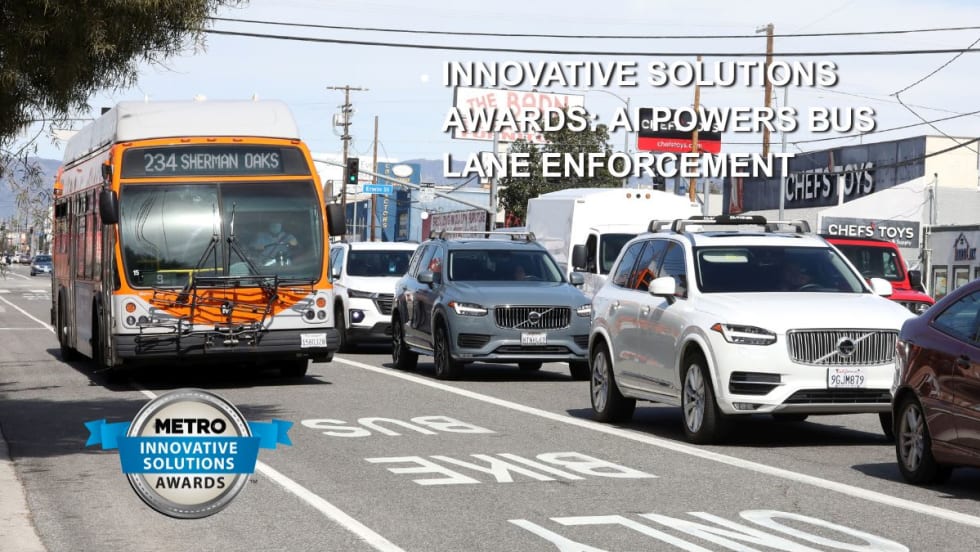
LA Metro, City of West Hollywood, and Partners Advance Smarter Bus Lane Enforcement
The award-winning partnership combines AI-powered detection with human oversight to improve bus reliability, accessibility, and enforcement efficiency.
Read More →
PSTA Modernizes Workforce Management with Digital Bidding System
The award-winning Workforce Transit Modernization project replaced paper bidding with a transparent digital platform, cutting administrative effort while improving access for operators.
Read More →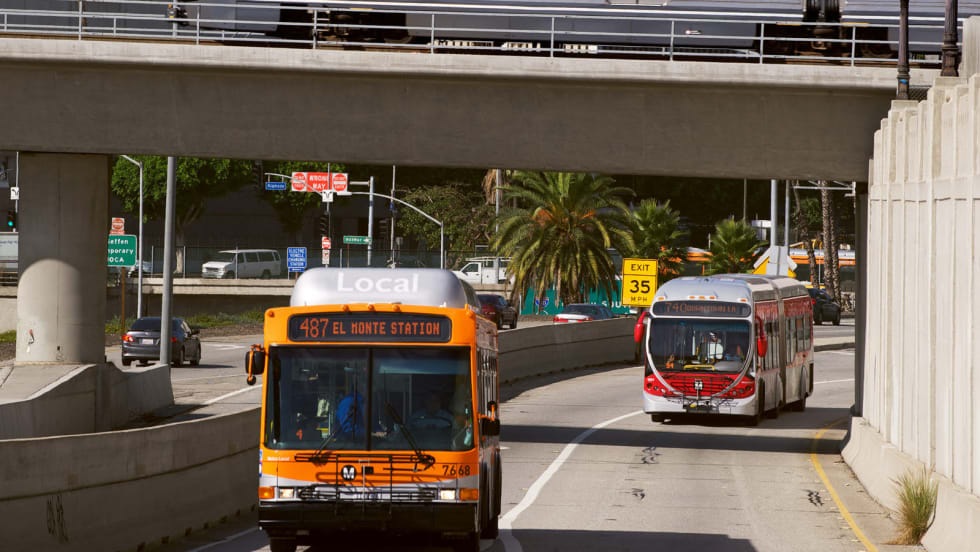
New Tricks for Old Bureaucracies: Joshua Schank on Making Transit Innovation Stick
Former LA Metro Chief Innovation Officer Joshua Schank discusses why good ideas aren't enough, how transit agencies can overcome resistance to change, and why today's challenges demand more innovation.
Read More →
How Data, Strategy, and Community Engagement Are Reshaping Transit
In this edition of METROspectives, strada360 CEO Steve Lassey discusses how transit agencies can better align planning with operations, leverage data to improve decision-making, and build public trust as they prepare for the future of mobility.
Read More →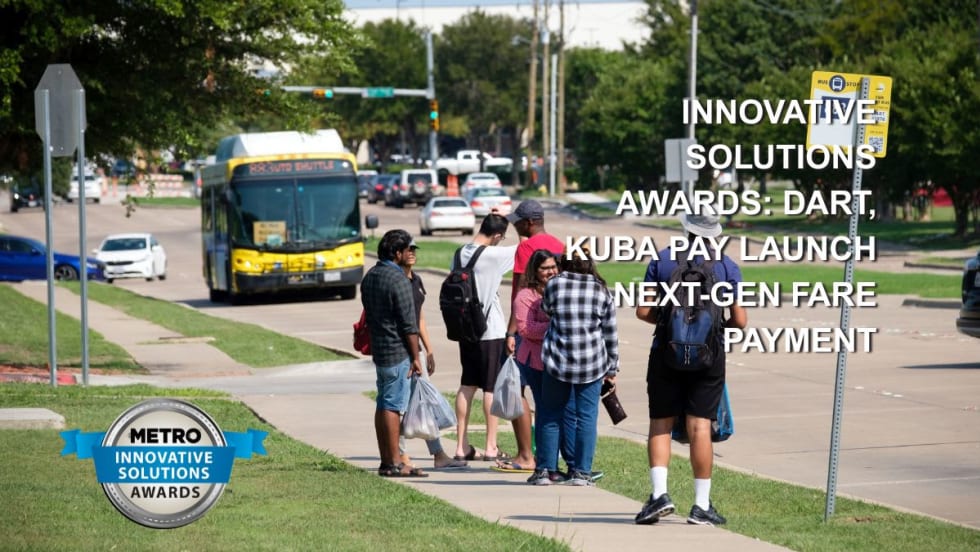
How DART's GoPass Is Redefining Regional Mobility
Serving 14 transit agencies, GoPass simplifies multimodal travel by allowing riders to plan, pay for, and manage an entire trip through one app.
Read More →