




Keep Reading: California's NCTD Expands Microtransit Service Program
California's North County Transit District Celebrates 50th Anniversary
NCTD’s golden anniversary brings new rail announcements, a logo redesign, and community celebrations across San Diego’s North County.
September 23, 2025
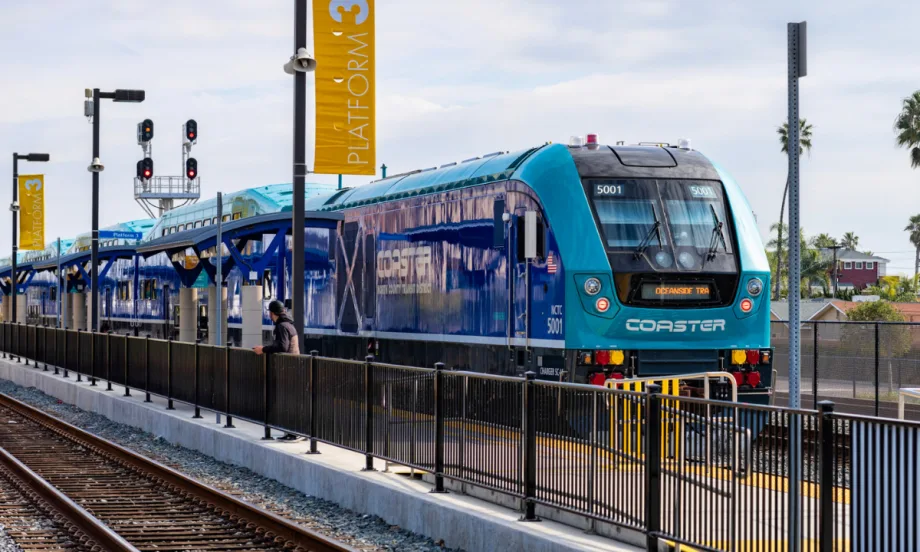
Earlier this year, NCTD placed new COASTER cab and coach cars into service, improving the rider experience and enhancing the safety of its commuter rail service.
Photo: North County Transit District
2 min to read
Fifty years ago, on September 20, 1975, the North County Transit Development Board was established by California Senate Bill No. 802 to plan, construct, and operate public transit in North San Diego County.
According to an agency release, the new transit agency's jurisdiction would include Oceanside, Carlsbad, San Marcos, Vista, Escondido, Fallbrook, Pauma, Valley Center, San Dieguito, and Ramona. The board would serve as the operator of bus service within the North County area, absorbing the municipal bus systems of Escondido and Oceanside.
Since then, the North County Transit Development Board evolved into the North County Transit District, adopting the acronym NCTD, and is now operating as North County Transit – San Diego Railroad.
NCTD expanded its service to include the COASTER commuter rail in 1995, the SPRINTER hybrid rail in 2008, FLEX deviated fixed-route service, LIFT paratransit service, and NCTD+ on-demand service. Together, these services intertwine to provide a robust transit network for North County communities and into downtown San Diego.
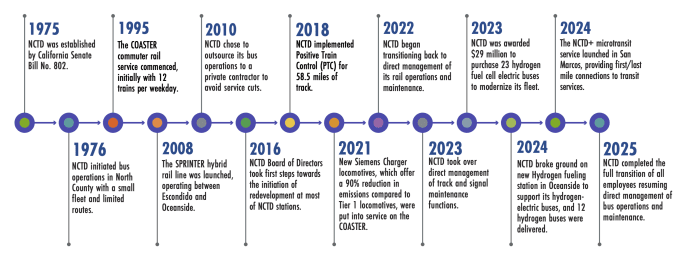
On September 20, 1975, the North County Transit Development Board was established by California Senate Bill No. 802 to plan, construct, and operate public transit in North San Diego County.
Source: North County Transit District
Golden Anniversary Brings New Rail Cars, Logo, and Events
NCTD has achieved significant milestones over the course of 50 years. Earlier this year, NCTD placed new COASTER cab and coach cars into service, improving the rider experience and enhancing the safety of its commuter rail service.
This year, NCTD also unveiled a new logo. NCTD will redesign its SPRINTER vehicles, the first of which will be launched as part of the 50th Anniversary.
To celebrate its golden anniversary, NCTD will host pop-up events at stations with limited-edition giveaways (while supplies last) for passengers this week, from Tuesday, September 23, through Thursday, September 25.
NCTD will also host a press conference and public anniversary celebration on Saturday, September 27, at 10 a.m.
More Management
COTA Launches First Customer Experience Action Plan to Improve Transit Service
The new plan outlines improvements to service reliability, accessibility, communication, and the overall rider experience across Central Ohio's transit system.
Read More →
LA Metro September Ridership Climbs 3.9%, Led by Rail Growth
The agency recorded more than 27.2 million boardings, with rail ridership increasing 12.4% year over year and the D Line posting the largest gains.
Read More →
Utilimarc Launches SmartReplace to Optimize Fleet Replacement Decisions
AI-powered SmartReplace helps fleets prioritize vehicle replacements, model budget scenarios, and build more defensible long-term strategies.
Read More →
APTA Honors 2026 Award Winners, Hall of Fame Inductees at TRANSform & EXPO
Innovations in autonomous and zero-emission transportation, standout transit systems, and industry leadership took center stage among this year's honorees.
Read More →
7 Ways to Build a Better Transit Internship Program
Lessons from DRPA/PATCO’s approach to creating a meaningful internship experience—and developing the next generation of transportation professionals.
Read More →
Scenes from APTA TRANSform & EXPO 2026
Transit leaders, manufacturers, and industry professionals gathered in Chicago to explore new technologies, share ideas, and discuss the future of public transportation.
Read More →
Building Stronger Leaders, More Resilient Transit Teams
Dr. Carol Parker Walsh discusses leadership development, employee retention, workplace culture, and preparing transit’s workforce for AI and automation.
Read More →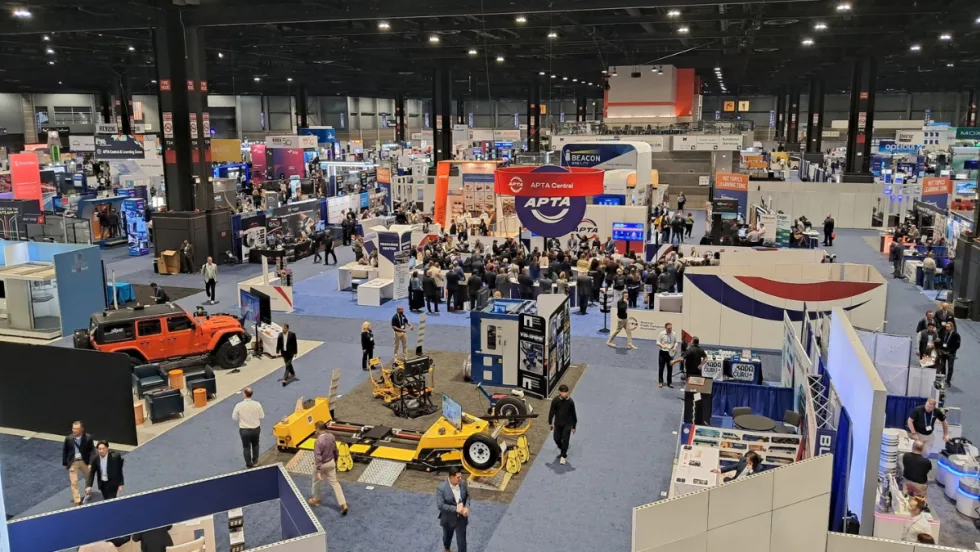
APTA 2026 TRANSform & EXPO Kicks Off in Chicago
After 45 years, APTA returns to Chicago with a focus on next-generation fleets, AI, connected transit networks, and the funding strategies shaping public transportation’s future.
Read More →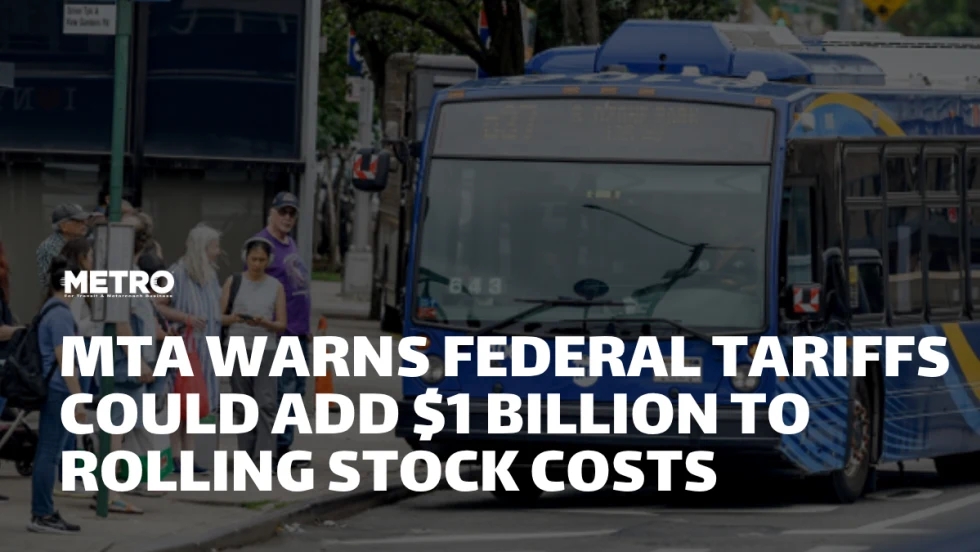
New York MTA Warns Federal Tariffs Could Add $1 Billion to Rolling Stock Costs
The agency said tariffs on specialized imported components could reduce the purchasing power of its $23 billion investment in new subway cars, railcars, and buses.
Read More →
From the Show Floor: What Happened at APTA TRANSform & EXPO 2026
See the latest product launches, partnerships, technology updates, and transit industry announcements from APTA TRANSform & EXPO in Chicago.
Read More →