




More: NJ TRANSIT to Expand Cleanliness, Safety, and Accessibility Under New Action Plan
NJ TRANSIT Explores Unified Real-Time Customer Communications Platform
The agency is gathering industry input on AI, real-time data, and integrated communications technology as it prepares to procure a system that delivers faster, more consistent transit updates across every customer channel.
August 27, 2026
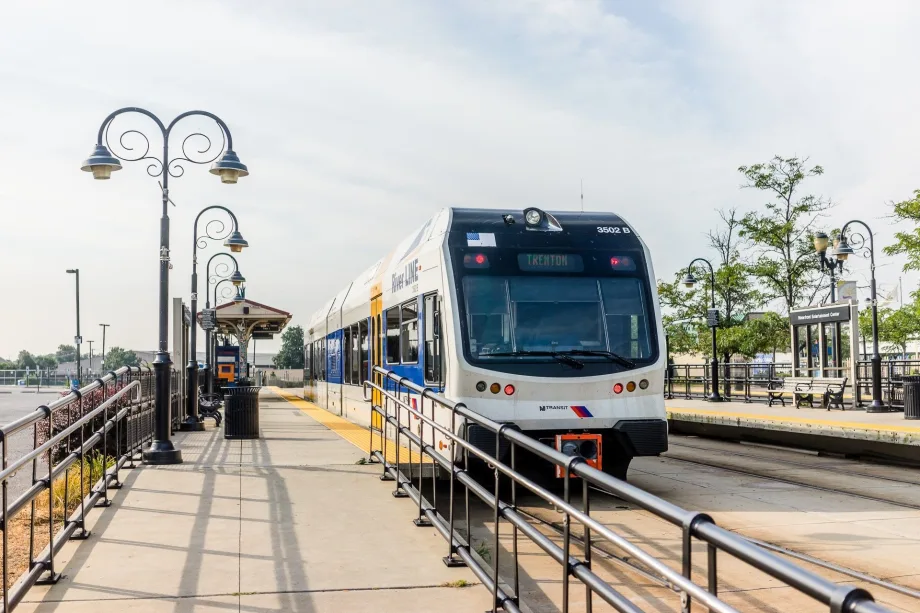
On June 10, NJ TRANSIT issued a Request for Information (RFI) seeking information from companies that provide real-time transit communications systems.
Credit:
NJ TRANSIT
3 min to read
Industry experts recently shared thoughts, ideas, and possibilities for using real-time data to modernize how NJ TRANSIT communicates system status and customer information. Industry Day also gave these experts a chance to express interest in the agency’s recent Request for Information (RFI). RFI responses and other market research will help shape the procurement process, which is expected to follow shortly.
“I am encouraged by the robust response to our Request for Information,” said NJ TRANSIT President and CEO Kris Kolluri. “There are many technology solutions available to make it possible for us to deliver consistently accurate, unified real-time information to customers across every channel. I look forward to delivering the kind of timely information our customers expect and deserve.”
On June 10, NJ TRANSIT issued a Request for Information (RFI) seeking information from companies that provide real-time transit communications systems. NJ TRANSIT is entering the next phase of its customer communication upgrades. This initiative will ultimately deliver better real-time information and system status across all its channels to improve the customer experience.
By studying the most current available technologies within the industry, NJ TRANSIT is learning more about existing capabilities to inform a scope of work for a forthcoming procurement process. According to the agency, this effort will ultimately lead to a unified customer communications platform that uses modern technology to increase the accuracy, efficiency, timeliness, and consistency of customer communications across the statewide transit system.
Unifying NJ TRANSIT’s Customer Communications
The RFI asked companies to share information regarding commercially available platforms, custom-developed systems, and innovative ways to integrate these systems using artificial intelligence and other tools to provide customers with a single source of accurate and timely information regarding train and bus status, across multiple platforms including NJ TRANSIT’s mobile app, website, email and text alerts, digital station signage and more.
Currently, NJ TRANSIT disseminates customer communications through multiple systems including:
- Station and onboard digital signage
- DepartureVision and MyBus systems
- Mobile applications
- Websites and microsites
- SMS and push notifications
- Email alerts
- Social media platforms
- Real-time data feeds and third-party data feeds
- Public address and operational messaging systems.
The RFI advances the ongoing modernization and unifies these systems into an authoritative source that provides accurate, up-to-date information to customers consistently and simultaneously across all communication channels. The new platform will support real-time operational communications, improving consistency and speed of customer messaging and enhancing accessibility and multilingual communications. The agency also seeks to build the new system so it can be readily updated and expanded to accommodate growth and future needs.
The RFI was issued solely for informational purposes to enable NJ TRANSIT to study and develop the best solution(s) for its needs at a reasonable cost. The submission deadline is September 17, 2026. Once that process is completed, the agency will commence a more formal procurement process. NJ TRANSIT expects to award a final contract to create the new system in 2027.
The Unified Customer Communications System project follows on the heels of NJ TRANSIT’s launch of a completely redesigned mobile app and a $3 billion Fleet Modernization program, in which the agency approved the purchase of 374 new Multilevel III train cars to replace its oldest rail cars fully, and since 2018 has received more than 1,000 new buses with authorization to purchase 1,400 additional buses. The fleet is expected to be fully modernized by 2031, for the first time in NJ TRANSIT’s 40-year history.
For information on how to obtain a copy of the RFI, see NJ TRANSIT’s Procurement Calendar: https://www.njtransit.com/procurement/calendar.
More Management
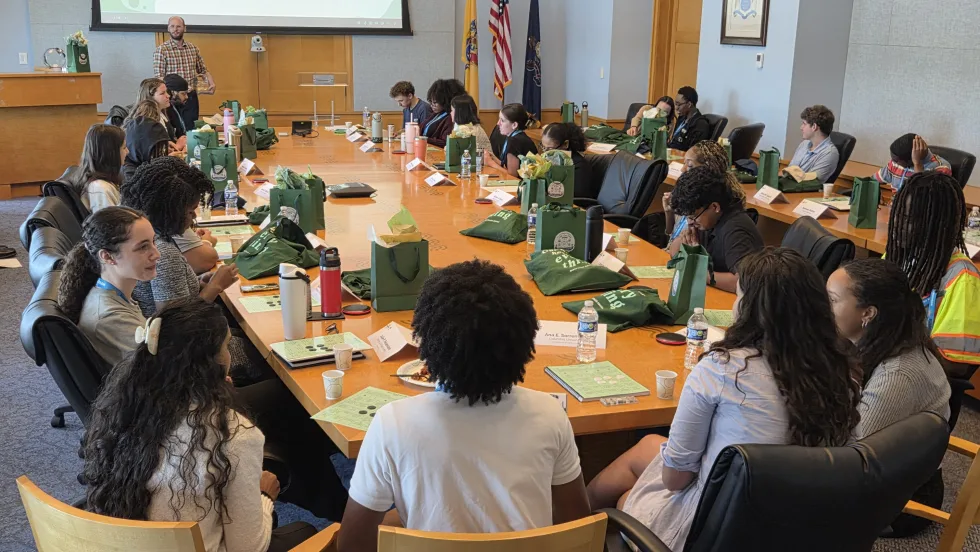
7 Ways to Build a Better Transit Internship
Lessons from DRPA/PATCO’s approach to creating a meaningful internship experience—and developing the next generation of transportation professionals.
Read More →
Scenes from APTA TRANSform & EXPO 2026
Transit leaders, manufacturers, and industry professionals gathered in Chicago to explore new technologies, share ideas, and discuss the future of public transportation.
Read More →
Building Stronger Leaders, More Resilient Transit Teams
Dr. Carol Parker Walsh discusses leadership development, employee retention, workplace culture, and preparing transit’s workforce for AI and automation.
Read More →
APTA 2026 TRANSform & EXPO Kicks Off in Chicago
After 45 years, APTA returns to Chicago with a focus on next-generation fleets, AI, connected transit networks, and the funding strategies shaping public transportation’s future.
Read More →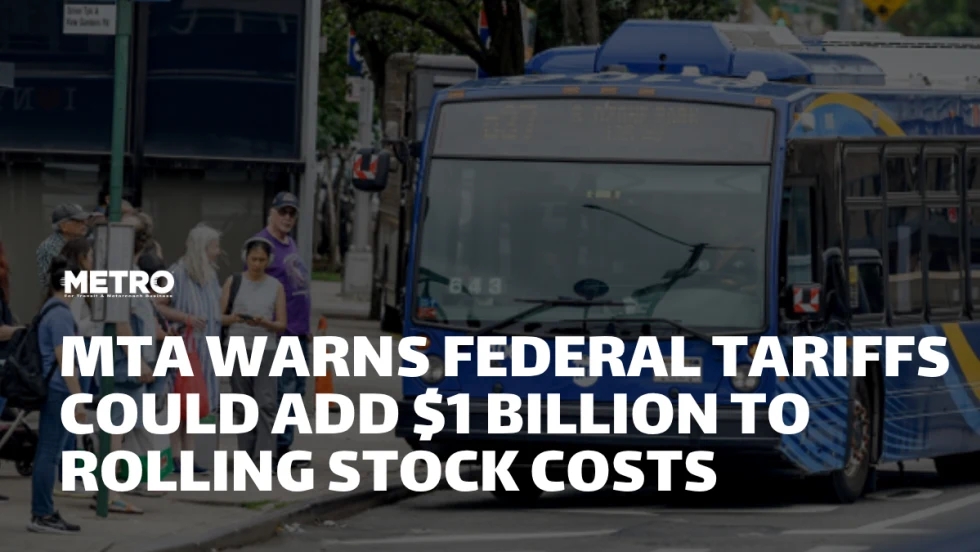
New York MTA Warns Federal Tariffs Could Add $1 Billion to Rolling Stock Costs
The agency said tariffs on specialized imported components could reduce the purchasing power of its $23 billion investment in new subway cars, railcars, and buses.
Read More →
From the Show Floor: What Happened at APTA TRANSform & EXPO 2026
See the latest product launches, partnerships, technology updates, and transit industry announcements from APTA TRANSform & EXPO in Chicago.
Read More →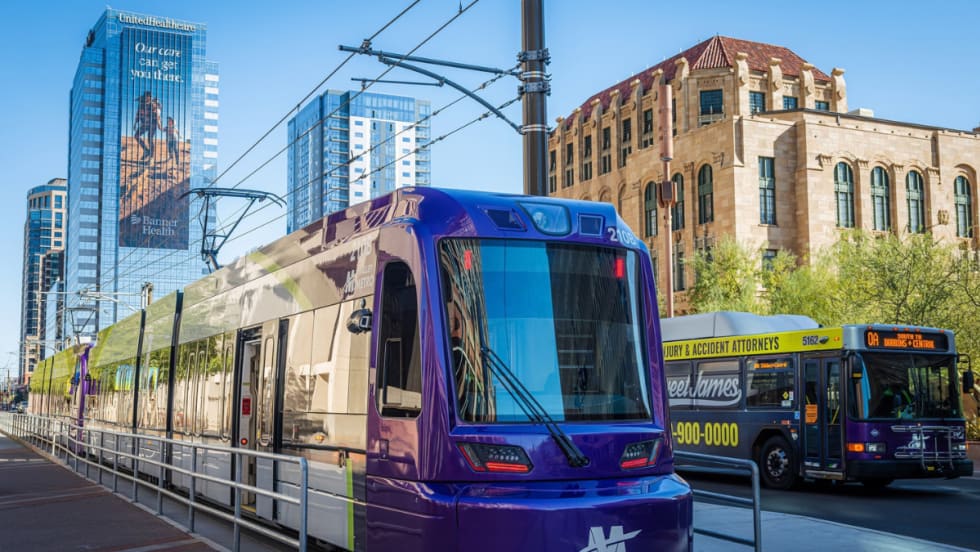
How Valley Metro Is Balancing Transit Growth With the Rider Experience
The APTA award-winning agency is pairing rapid system expansion with investments in workforce, safety, technology, and the fundamentals of transit service.
Read More →
Bus Tech Talk: Keeping Transit Technicians Ahead of the Technology Curve
In this episode of Bus Tech Talk, Complete Coach Works’ Business Development Manager Mark Hollenbeck and METRO’s Executive Editor Alex Roman sit down with Obed Mejia, Senior Technical Trainer for Bus Maintenance, at LA Metro to discuss how rapidly evolving bus technology is changing the maintenance shop — and the skills technicians need to keep pace.
Read More →
Michael Schneider Joins Paslay Group to Expand Transportation Practice
The longtime transportation executive will help Paslay Group grow its advisory and program management work across transit, highway, and other infrastructure sectors.
Read More →
People Movement: Connectpoint Expands Leadership Team, Stadler Names New Group CEO, and More
In this edition, we also spotlight recent personnel moves at Burns, UZURV, and more, highlighting the people taking on new roles across the transportation industry.
Read More →