




Miss This? Rays the Mark Foundation to Honor CDTA’s Emily DeVito at October Fundraiser
New York’s CDTA Service Rebalancing Boosts Productivity, On-Time Performance
Despite a slight dip in ridership, the agency’s FY2026 results show its service rebalancing strategy is helping the agency carry more riders per service hour while improving reliability.
August 24, 2026
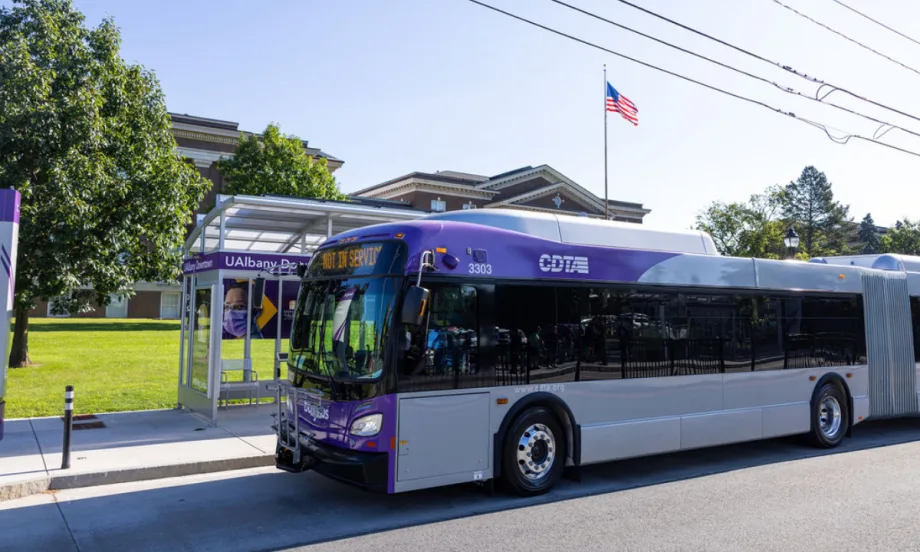
Looking ahead to FY2027, CDTA will continue implementing its service rebalancing strategy, including Phase 4 changes that began Sunday, August 23, 2026.
Credit:
CDTA
3 min to read
The Capital District Transportation Authority (CDTA) released its annual Route Performance Report for FY2026, highlighting ridership and productivity trends, improved on-time performance, and the impact of CDTA’s ongoing service rebalancing efforts.
Despite a slight decline in ridership, CDTA continued to see strong transit demand in FY2026, with approximately 18 million boardings, a 2% decrease from FY2025. Ridership remains near CDTA’s record-breaking 18.4 million boardings achieved in FY2025 and continues to exceed pre-pandemic levels.
In August 2025, CDTA began implementing a service rebalancing initiative informed by recommendations in its Transit Development Plan (TDP). The plan identified opportunities to strategically match service and resources to demand and available funding while prioritizing reliable, frequent service on routes that serve the greatest number of customers.
According to the agency, this approach produced measurable improvements in system productivity. Despite the modest decline in overall ridership, systemwide productivity increased 6% to 22.9 boardings per revenue hour, demonstrating that CDTA is carrying more customers with each hour of service provided and deploying its resources more efficiently. Frequent routes and the BusPlus network remained the strongest performers, reinforcing the value of concentrating service where demand is greatest.
Service reliability also improved significantly. Systemwide on-time performance increased 1.9% compared with FY2025, reflecting the positive impact of schedule optimization efforts implemented across the system, including in Albany, Troy, Schenectady, Amsterdam, and Glens Falls. Together, these improvements show that CDTA’s strategic approach to matching service with demand and available funding is producing positive results, improving productivity, strengthening on-time performance, and maximizing the value of every service hour while maintaining ridership at historically strong levels.
The top-performing routes systemwide based on boardings per revenue hour were:
- Route #1 (Central Avenue) – 35 rides per hour
- Route #12 (Washington Avenue) – 34.2 rides per hour
- Route #905 (BusPlus Red Line) – 31.5 rides per hour
- Route #100 (Mid-City Belt) – 31.2 rides per hour
- Route #910 (BusPlus Purple Line) – 29 rides per hour
Universal Access Accounts for Nearly One-Third of CDTA Ridership
The report also highlights the continued success of CDTA’s Universal Access Program, which generated 5.6 million rides in FY2026, representing 31% of total annual ridership. The program provides transportation access through partnerships with 56 organizations, including major partners such as the University at Albany, Albany City School District, and New York State Office of General Services.
Through Universal Access, employees, students, and other members of participating organizations can use CDTA to travel to work, school, medical appointments, recreational activities, and other destinations without transportation costs as a barrier.
Looking ahead to FY2027, CDTA will continue implementing its service rebalancing strategy, including Phase 4 changes that began Sunday, August 23, 2026. These adjustments are designed to help CDTA maintain a balanced budget while improving service reliability and maximizing the use of available resources.
CDTA also implemented Phase II of its Glens Falls route adjustments on August 23 to increase service on the system’s most productive routes while reducing service on lower-demand routes. The changes are intended to align service levels with ridership demand and ensure CDTA uses resources where they can have the greatest impact on customers.
More Management
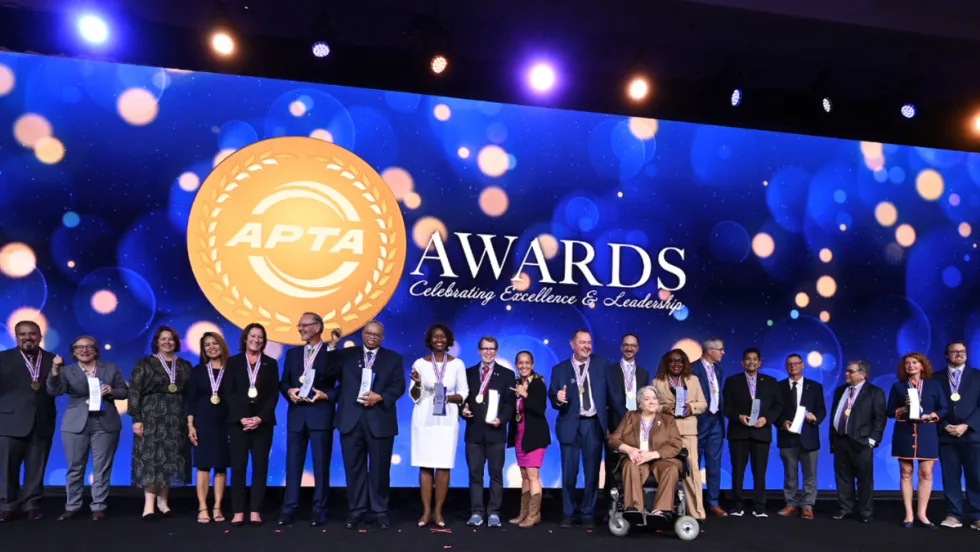
APTA Honors 2026 Award Winners, Hall of Fame Inductees at TRANSform & EXPO
Innovations in autonomous and zero-emission transportation, standout transit systems, and industry leadership took center stage among this year's honorees.
Read More →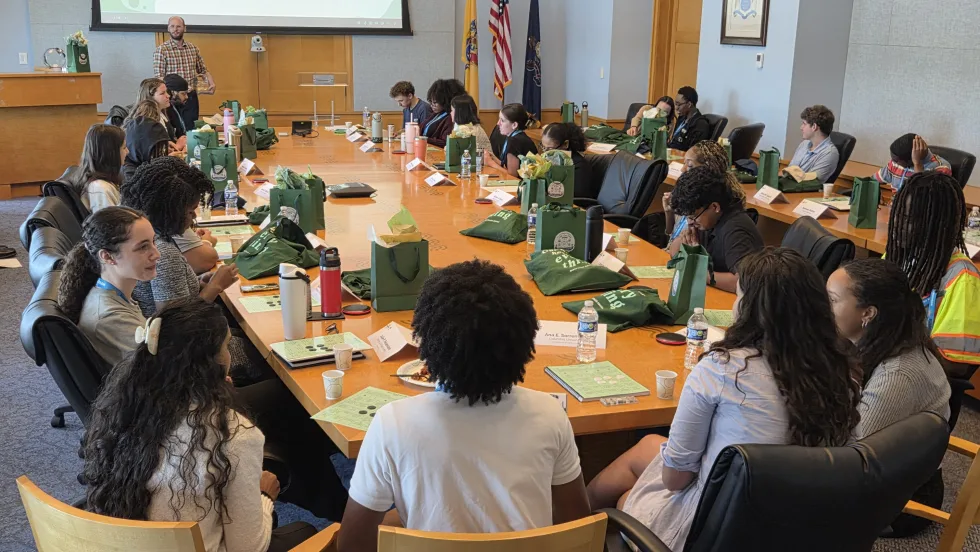
7 Ways to Build a Better Transit Internship Program
Lessons from DRPA/PATCO’s approach to creating a meaningful internship experience—and developing the next generation of transportation professionals.
Read More →
Scenes from APTA TRANSform & EXPO 2026
Transit leaders, manufacturers, and industry professionals gathered in Chicago to explore new technologies, share ideas, and discuss the future of public transportation.
Read More →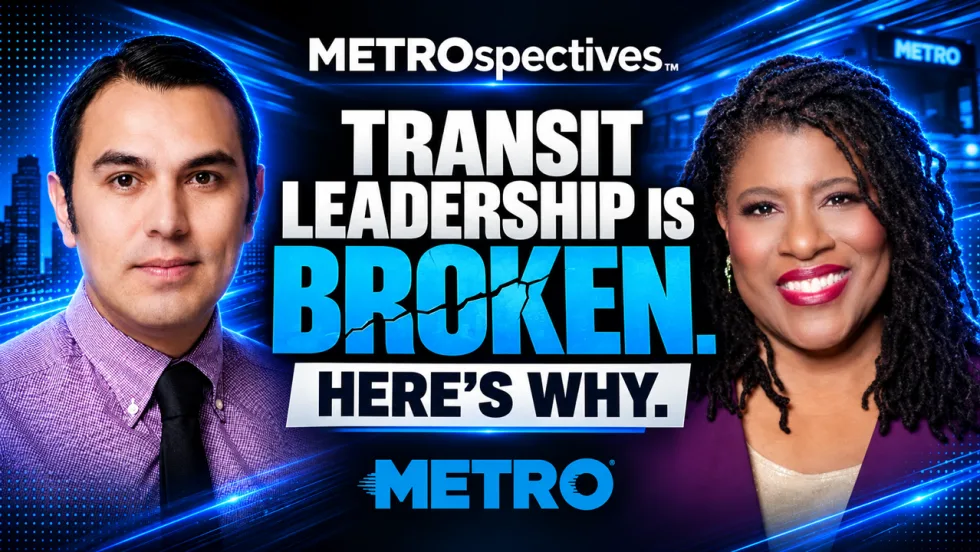
Building Stronger Leaders, More Resilient Transit Teams
Dr. Carol Parker Walsh discusses leadership development, employee retention, workplace culture, and preparing transit’s workforce for AI and automation.
Read More →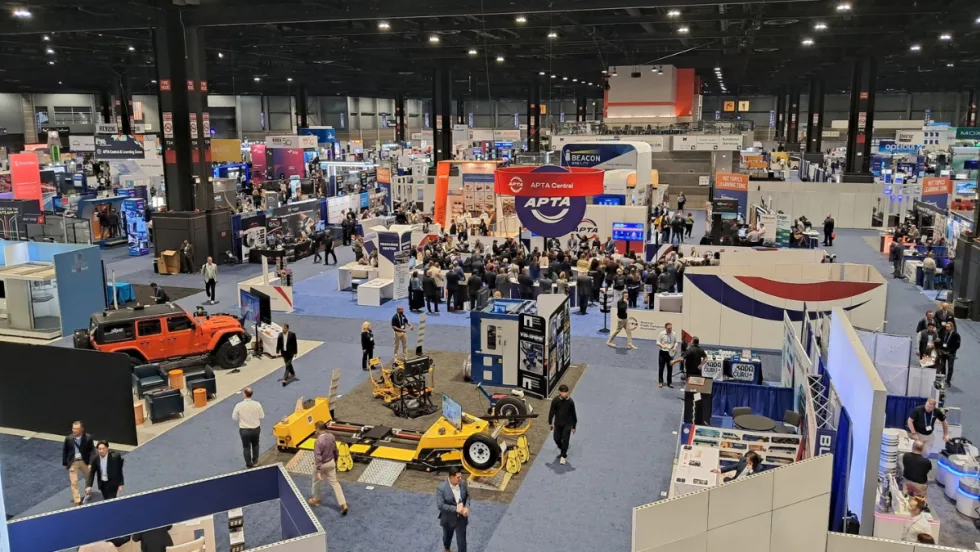
APTA 2026 TRANSform & EXPO Kicks Off in Chicago
After 45 years, APTA returns to Chicago with a focus on next-generation fleets, AI, connected transit networks, and the funding strategies shaping public transportation’s future.
Read More →
New York MTA Warns Federal Tariffs Could Add $1 Billion to Rolling Stock Costs
The agency said tariffs on specialized imported components could reduce the purchasing power of its $23 billion investment in new subway cars, railcars, and buses.
Read More →
From the Show Floor: What Happened at APTA TRANSform & EXPO 2026
See the latest product launches, partnerships, technology updates, and transit industry announcements from APTA TRANSform & EXPO in Chicago.
Read More →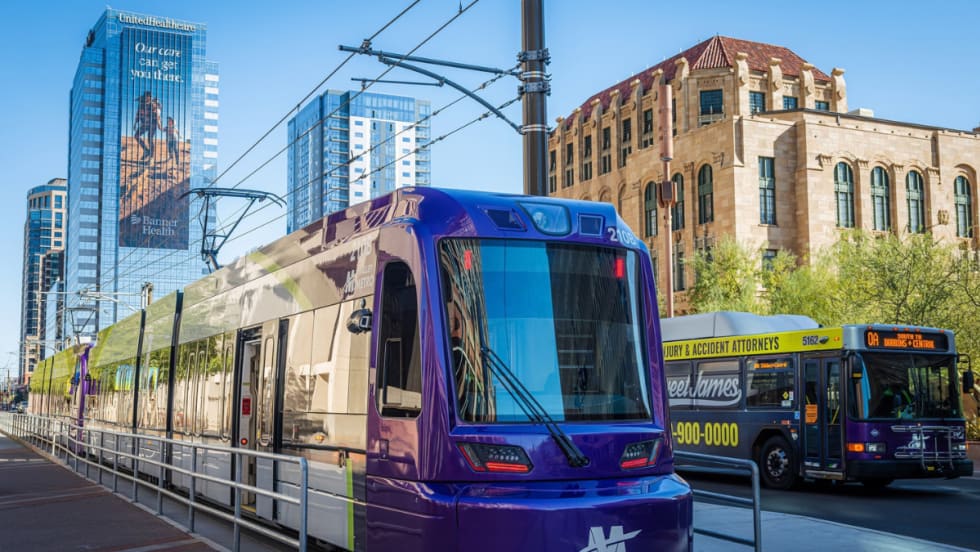
How Valley Metro Is Balancing Transit Growth With the Rider Experience
The APTA award-winning agency is pairing rapid system expansion with investments in workforce, safety, technology, and the fundamentals of transit service.
Read More →
Bus Tech Talk: Keeping Transit Technicians Ahead of the Technology Curve
In this episode of Bus Tech Talk, Complete Coach Works’ Business Development Manager Mark Hollenbeck and METRO’s Executive Editor Alex Roman sit down with Obed Mejia, Senior Technical Trainer for Bus Maintenance, at LA Metro to discuss how rapidly evolving bus technology is changing the maintenance shop — and the skills technicians need to keep pace.
Read More →
Michael Schneider Joins Paslay Group to Expand Transportation Practice
The longtime transportation executive will help Paslay Group grow its advisory and program management work across transit, highway, and other infrastructure sectors.
Read More →