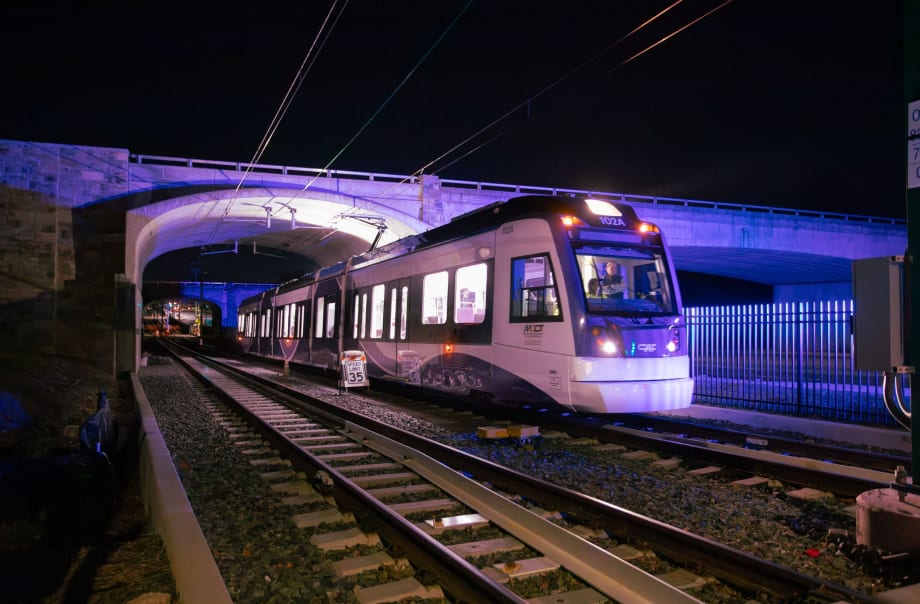
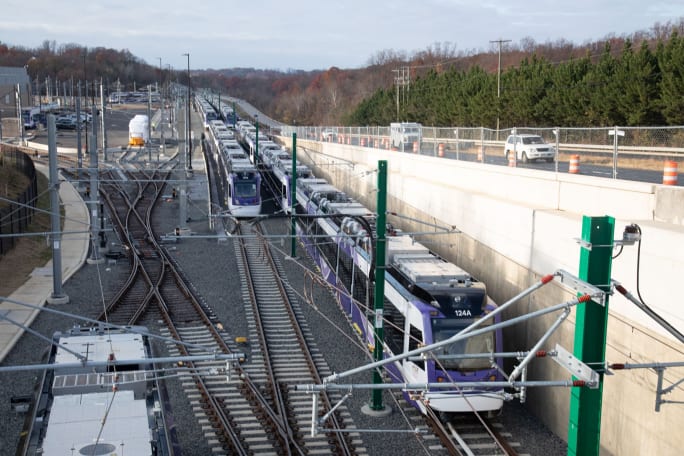
Arriving ahead of schedule, the vehicle delivery marks a significant step in the project's overall progress. It will enhance the project team’s ability to advance comprehensive testing and commissioning across the whole alignment.
Ad Loading...
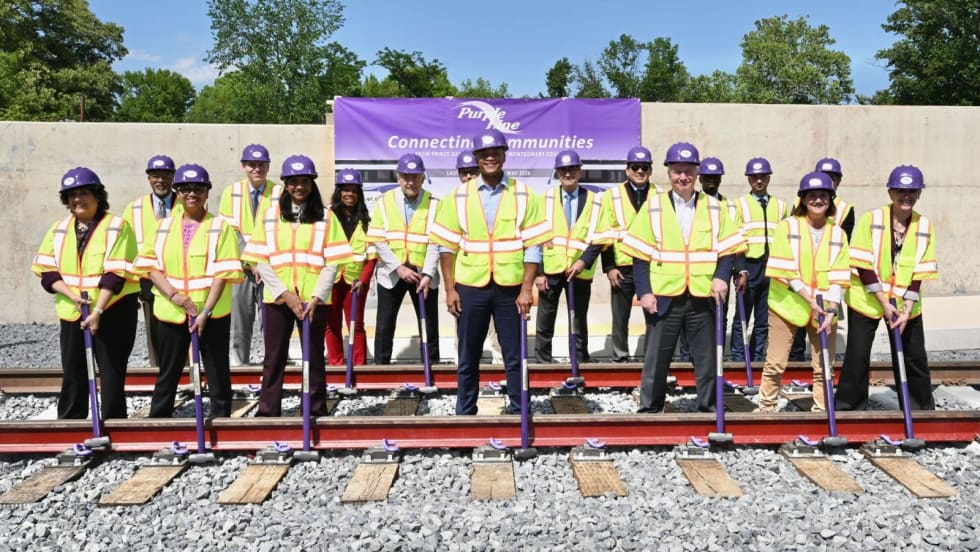
“This milestone underscores the tremendous progress the Purple Line has made in 2025,” said Purple Line Senior Project Director Ray Biggs II. “Every milestone we reach brings us closer to delivering a more accessible and better-connected region.”
The Purple Line LRVs
The final vehicle delivery completes the project’s whole order of 28 state-of-the-art vehicles.
At 142 feet long, the light rail vehicles are among the longest in the US, with a capacity of 430 passengers and seating for 80. The cars can also accommodate up to eight wheelchairs and have eight bike racks to support first- and last-mile connections.
The Purple Line LRVs were built by CAF, a Spain-based railcar manufacturer, and assembled in Elmira, N.Y. Once delivered, each LRV undergoes an extensive commissioning and testing process, Maryland officials said.
The Purple Line LRVs were built by CAF, a Spain-based railcar manufacturer, and assembled in Elmira, N.Y.
Photo: Maryland Department of Transportation Maryland Transit Administration
State of the Purple Line
The Purple Line is now 84.6% complete, with more than 148,000 of 193,100 feet of track laid overall, bringing rail progress to 76.6%.
Operation Lifesaver and the FHWA awarded nearly $198,000 in grants to 10 state programs for rail safety education campaigns focused on crossing safety, trespass prevention, and public awareness initiatives.
Garo Hovnanian explores how agencies can better navigate competing priorities, strengthen decision-making, and prepare for a future shaped by electrification and emerging mobility.
See what deregulatory rail rules were finalized to reduce outdated requirements, support innovation, and streamline rail operations without compromising safety.
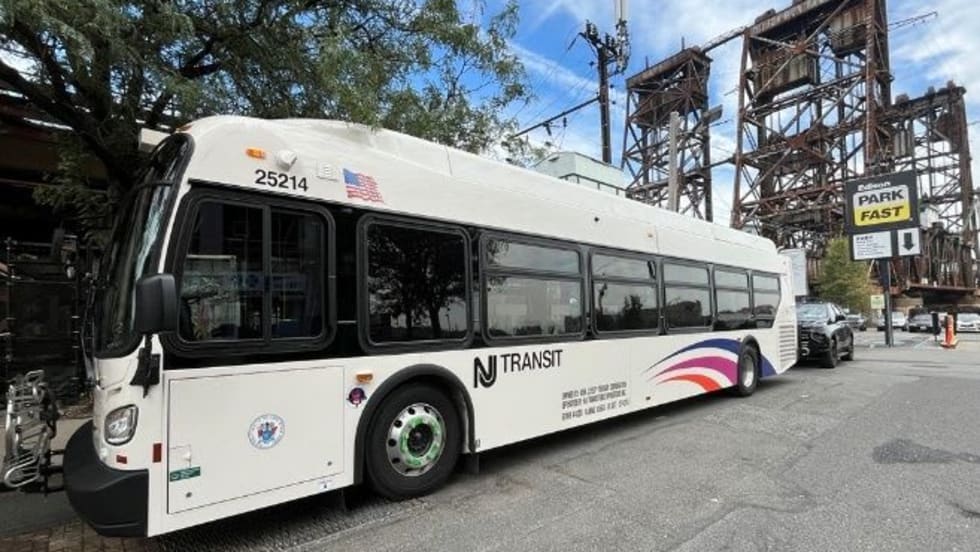
The plan includes investments in cleaner vehicles and upgraded stations, NJT LiveView to provide real-time GPS tracking of train and light rail service, enhanced safety initiatives through a new Real Time Crime Center, and the debut of a redesigned NJ TRANSIT mobile app.
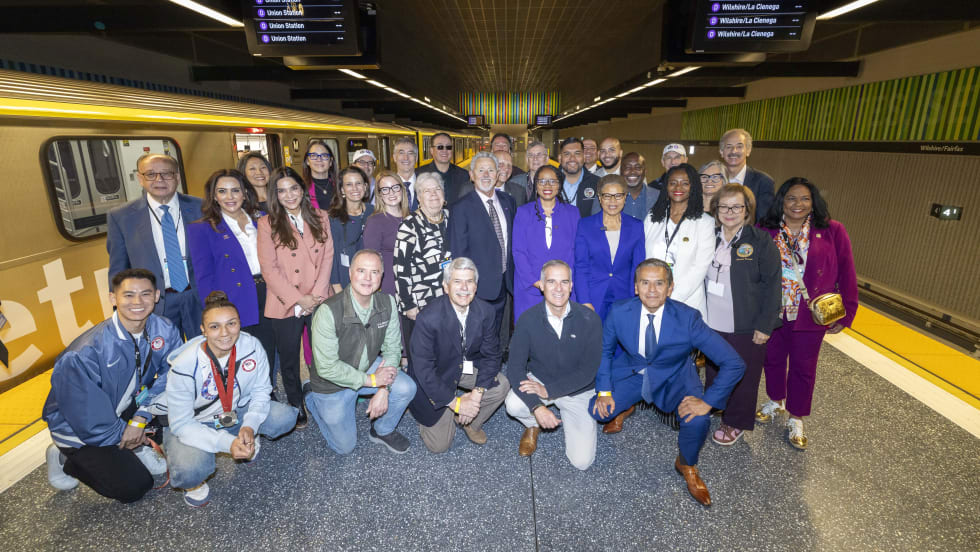
The only new subway opening in the US this year, the D Line Extension represents one of Metro’s top transit priorities and a historic milestone for Los Angeles, with Sections 2 and 3 set to open in 2027.
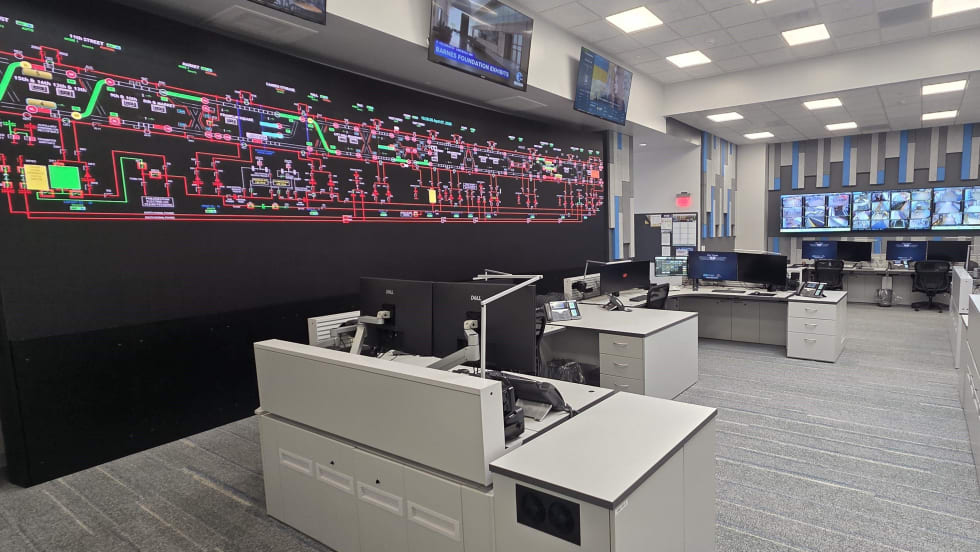
The new center serves as the central hub for monitoring and managing PATCO train operations, communications, customer service coordination, incident response, and overall operational oversight across the transit system.
Despite these pressures, VIA Rail is reporting that total revenues increased to $514.8 million as more travelers took advantage of the wide range of options available through the corporation’s new reservation system.