



10 challenges transit faces in this century
Despite great strides in transit over the last century, the best may be yet to come.
This series has given a taste of how the public transportation industry has addressed myriad crises, technological revolutions and social upheavals in the past 100 years. It has been a great ride, but as the following list of 10 for this century suggests, we might not have seen the biggest and best yet.
1.The sustainability of funding: TEA 21 provided record billions of dollars and budget "firewalls." The compact that forged that law is breaking down because there is not enough money to go around in the long term. Gasoline tax revenues are simply not keeping pace with the need, and without additional revenues — and the political will to raise them — the federal transit program will be unsustainable.
2. Making transit pencil out: The relationship between development and public transport has been an oft-running theme here. What the next 100 years must demonstrate is shorter-term payback, and there is growing evidence it can, particularly with less expensive bus and rail solutions under way. The issue transit agencies must address is whether they are comfortable with that much private participation.
3. Becoming "mobility brokers": A long list of studies have pointed to the need for an oversight body that "brokers" services, whose function is separate from operating organizations. Only a few U.S. cities have tried it, though, because it means a divided role — and divided power.
4. Avoiding the "gold plating" of the system: The steady rise in expenditures in the past decade also carried a much higher price tag, driven by new regulations and the desire of policymakers to use transit as a test bed for transportation technology experiments. Do we really need all this stuff? Wouldn't more frequent, less fancy buses and trains reduce pollution more than deploying fewer, higher-cost vehicles with the cleanest possible advances? Performance standards, better life-cycle costing and more liberalized rules governing service and training contracts would help immensely.
5. Mobility's relevance in a virtual world: The industry's twin raisons d'etre have been sustainable, efficient mobility and equal access. The information age has redefined our need to "be there." Will the public buy what we have to offer when people's sense of community cannot be substituted for a virtual one?
6. The price to pay for speed: To date, maglev advocates have confronted a bitter reality: Neither government nor the private sector has been willing to fund the fastest ground transportation possible. Nor has our society said how much speed they will buy, though. More new roads and airports have been rejected; per capita and adjusted for inflation, we are paying less for faster travel than a generation ago.
7. Bye-bye Buy America?: We will soon approach three decades of federal protection of bus and railcar manufacturers in U.S. transit procurements. If the federal share of capital spending continues to decline, the ability of local agencies to avoid rules such as Buy America increases. Pressure is mounting for tougher intervention; meanwhile, Europe and Canada are lowering their trade barriers. We are headed for an encounter, the outcome of which is uncertain.
8. Getting around when boomers retire: The aging of the Baby Boom generation, which will double the number of people older than 65 by the year 2021, is public transport's huge market opportunity. How the industry can help lead retailers, developers and communities to the graying promised land — and keep them once the much smaller Gen X is in retirement — will be the challenge of the century.
9. Edge cities become urbanized: Despite the ungodly amounts of highway and road building, coupled with the desire to live in less crowded spaces (remember that streetcar lines were the original causes of sprawl), even the outer 'burbs are aging and crowded. Transit must shift its attention to the dying malls, highways-cum-boulevards and other signs of decay/opportunities for rebirth.
10. Balancing a sense of place with shifting mobility: Effective transit-oriented development helps create places, but Americans are conflicted: They yearn for neighborhoods but move frequently. The answer is in the wisdom of our pioneers: They worked with civic leaders, building systems where people wanted to go — and they understood the value of full trains and buses.
More Management

LA Metro Board Awards 220 Battery-Electric Bus Contract to ENC
The contract, which is the largest base award of battery-electric buses by a U.S. transit agency, will be built in Southern California, sustaining good jobs as LA prepares to welcome the world in 2028
Read More →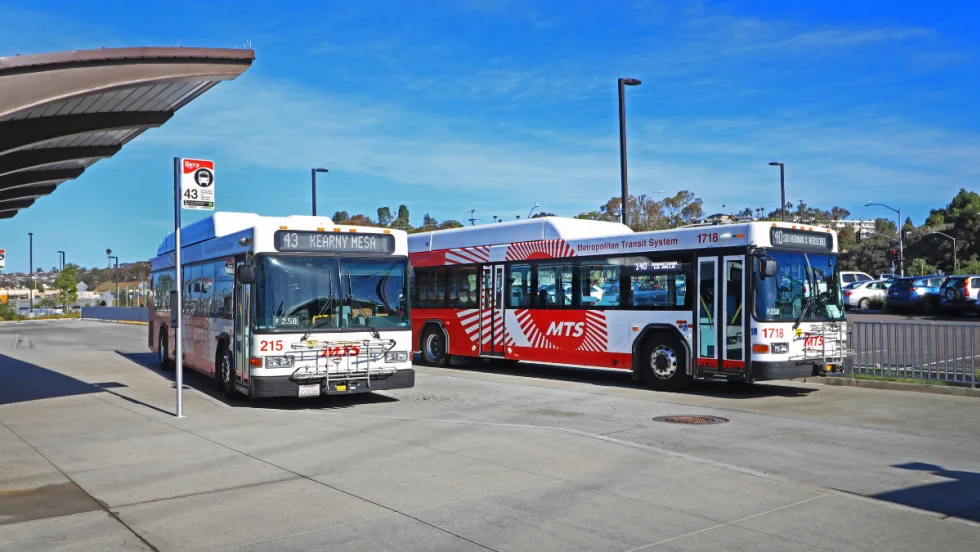
What’s Behind San Diego MTS’s Award-Winning Transit Strategy
Named one of APTA’s 2026 Outstanding Public Transportation Systems with 50 million or more annual passenger trips, California’s San Diego Metropolitan Transit System points to gains in ridership, safety, technology, and reliability as foundations of its success.
Read More →
Public Transit Conference Returning to GFX in 2027, Call for Papers Now Open
The Call for Papers is now open, allowing transit agency professionals and industry experts to help shape the PTC educational program by submitting session ideas for consideration.
Read More →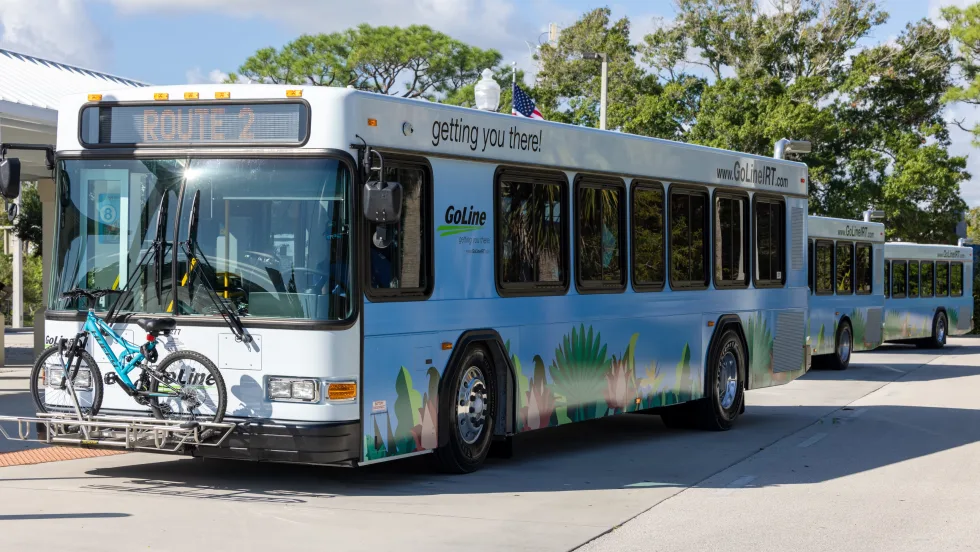
Indian River Transit’s Community-Focused Approach Earns National Recognition
Named APTA’s 2026 Outstanding Public Transportation System in its size category, Florida’s Indian River County transit system continues to grow ridership through fare-free service and a focus on evolving community needs.
Read More →
ENC Lands MATA Contract and More in Biz Briefs
In this edition of Biz Briefs, we spotlight the latest developments shaping the future of mobility.
Read More →
From Surviving to Thriving: Building Stronger Transportation Organizations
Bus Business Consultants founder Brian Dickson shares lessons on leadership, organizational health, and creating options for long-term success in a changing transportation industry.
Read More →
Everett Transit, Community Transit Outline Consolidation Agreement
The proposed agreement calls for a 50% increase in bus service in Everett, a new microtransit zone, continued paratransit service, and the transfer of Everett Transit operations to Community Transit.
Read More →
Strada360’s Steve Lassey on Turning Transit Data Into Better Decisions
From breaking down data silos to preparing for AI, Strada360 CEO Steve Lassey discusses how transit agencies can use technology to improve operations, customer information, and long-term decision-making.
Read More →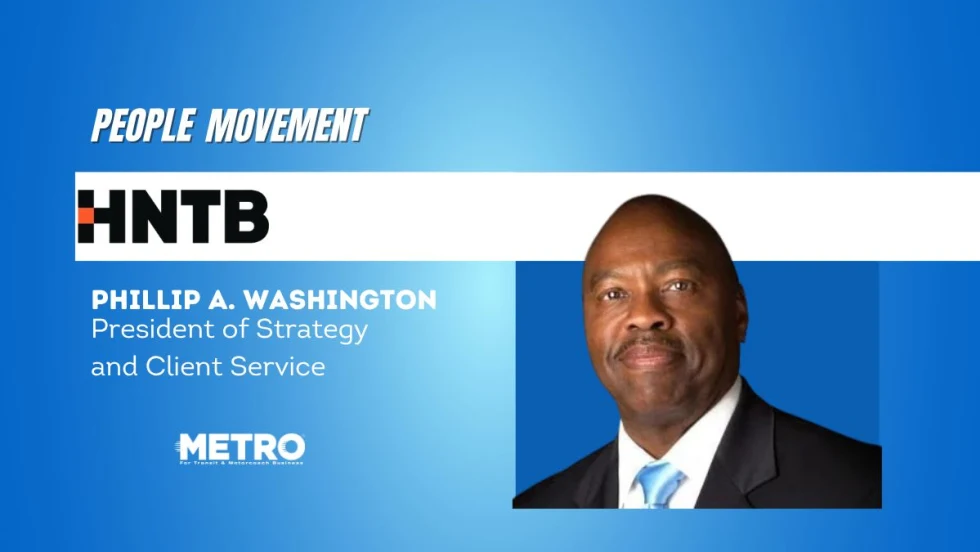
People Movement: Phil Washington Joins HNTB, Denver RTD Launches CEO Search, and More
In this edition, we also spotlight recent personnel moves at STV, the Eno Center for Transportation, and more, highlighting the people taking on new roles across the transportation industry.
Read More →
SEPTA Details Accelerate Vision for Transit System
The plan outlines investments in trolley modernization, new Metro and Regional Rail vehicles, accessible stations, and more frequent bus and rail service.
Read More →