



10 crossroads transit continues to face
Year after year, it is almost a guarantee that public transit agencies will wrestle with the same issues.

As if re-enacting its own century-long version of the movie Groundhog Day, public transport still grapples with recurring policy choices. Then and now, as in the movie, it is up to us to get it right. These 10 are among the most vexing themes.
1. The battle over sprawl: Prior to the 19th century, people walked or, if they could afford it, kept a home at each end of their commutes. Modern transport affords an easier choice. However, breaching the distances in sprawling metropolitan areas has become difficult, and probably unsustainable. The challenge now is whether the industry and cities in partnership can encourage — not force — people both to live closer to their routine destinations and travel more by buses and trains.
2. Public and/or private: The relationship between these two sectors has been uneasy at best. In its better moments, the courtship has brought us the New York City subway system and to a humbler degree, Foothill Transit near Los Angeles. At its worst — and perhaps that it is now — it has brought us a full graveyard of failed bus and railcar builders and many component suppliers.
3. Transit and "development": The relationship is as old as the industry itself. Henry Huntington cut deals with developers as he built streetcar lines. Some of the best (e.g., Denver's 16th Street Mall) — and worst (Buffalo's LRT line) — of the last century's projects have been in the name of economic development. Still others (Miami Metromover) have been "fixed" with more doses of development and/or transit.
4. Getting the modal split right: The history of public transport has been the story of newer, faster modes superseding older ones: first walking, then wheeled vehicles and finally taking to the air. Unless teleportation materializes soon, we pretty much know how to get around now and well into tomorrow. The real goal is finding the right balance that maximizes our mobility without sacrificing prosperity.
5. Transport and federalism: The traffic paralysis after 9/11, an earthquake or any good snowstorm has taught us that local shutdowns have national implications. All levels of government have contributed. The question is whether today's mix — 22% fares, 41% local, 21% state and 16% federal, according to APTA — is right.
6. The price of mobility: Is mobility a right or merely a highly valued privilege? Even if we could give everybody a direct door-to-door ride, could we afford it? How would we pay for it? Like ones about life, liberty and pursuit of happiness, these questions strike at the very heart of what kind of government we should have.
7. Labor protection: The Urban Mass Transportation Act of 1964's Section
13(c) merely codified a tradition of protecting labor from economic dislocation in rail transportation. The legislative history and hearings during the bill's passage worried some about the coming of "driverless trains" and other labor-saving technologies. However, obsolete management structures often do more to kill transit jobs. How to create true labor-management partnership is perhaps the challenge of the 21st century.
8. In search of the fast green machine: The headlong pursuit of innovation has taken us to a point where the supply chain has not been more uncertain since the 1970s — when Buy America first came to rolling stock. Agencies are also finding it hard to find and keep trained people. Is change always the best thing?
9. Regional buyouts: The 1960s saw the birth of transit as it is today: regional agencies formed from the buyouts of private operators. While ridership is at its highest since World War II, the industry's market share continues to be low. Again, a crossroads: Is the policy finally working, or is it time to do something else?
10. Mobility broker or operator: Several blue-ribbon recommendations for cities to separate their policy bodies from operating ones is what every major industrialized nation has done — most doing it with private operators under public oversight. Is this then transit's ultimate Groundhog Day?
More Management

Public Transit Conference Returning to GFX in 2027, Call for Papers Now Open
The Call for Papers is now open, allowing transit agency professionals and industry experts to help shape the PTC educational program by submitting session ideas for consideration.
Read More →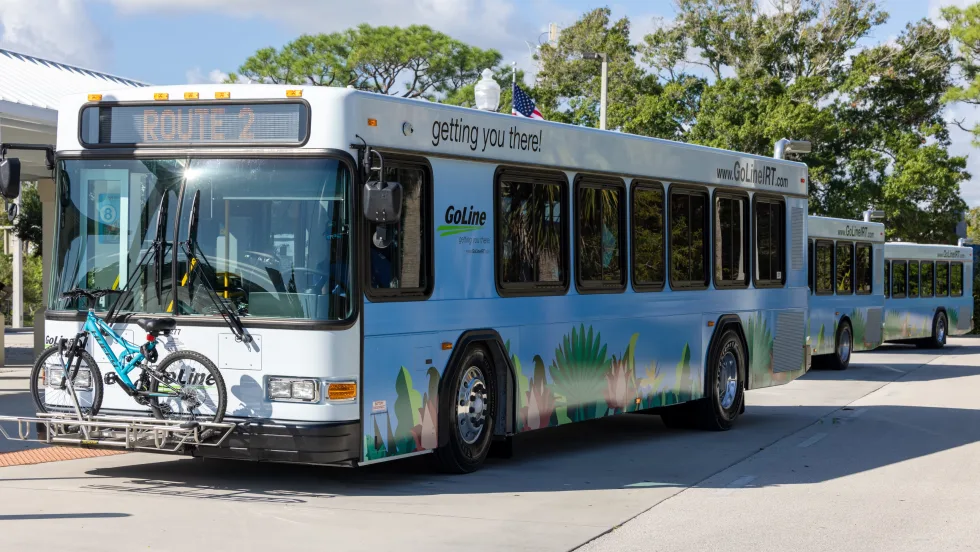
Indian River Transit’s Community-Focused Approach Earns National Recognition
Named APTA’s 2026 Outstanding Public Transportation System in its size category, Florida’s Indian River County transit system continues to grow ridership through fare-free service and a focus on evolving community needs.
Read More →
ENC Lands MATA Contract and More in Biz Briefs
In this edition of Biz Briefs, we spotlight the latest developments shaping the future of mobility.
Read More →

From Surviving to Thriving: Building Stronger Transportation Organizations
Bus Business Consultants founder Brian Dickson shares lessons on leadership, organizational health, and creating options for long-term success in a changing transportation industry.
Read More →
Everett Transit, Community Transit Outline Consolidation Agreement
The proposed agreement calls for a 50% increase in bus service in Everett, a new microtransit zone, continued paratransit service, and the transfer of Everett Transit operations to Community Transit.
Read More →
Strada360’s Steve Lassey on Turning Transit Data Into Better Decisions
From breaking down data silos to preparing for AI, Strada360 CEO Steve Lassey discusses how transit agencies can use technology to improve operations, customer information, and long-term decision-making.
Read More →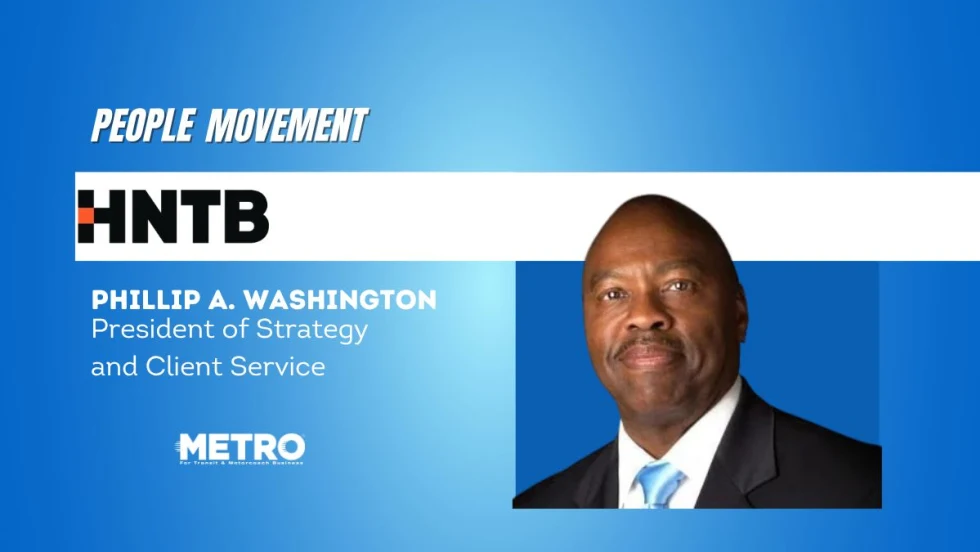
People Movement: Phil Washington Joins HNTB, Denver RTD Launches CEO Search, and More
In this edition, we also spotlight recent personnel moves at STV, the Eno Center for Transportation, and more, highlighting the people taking on new roles across the transportation industry.
Read More →
SEPTA Details Accelerate Vision for Transit System
The plan outlines investments in trolley modernization, new Metro and Regional Rail vehicles, accessible stations, and more frequent bus and rail service.
Read More →
FTA Ends Direct Oversight of MBTA Safety Actions
The federal agency closed its remaining special directive to the Massachusetts Department of Public Utilities following a safety review that began in 2022.
Read More →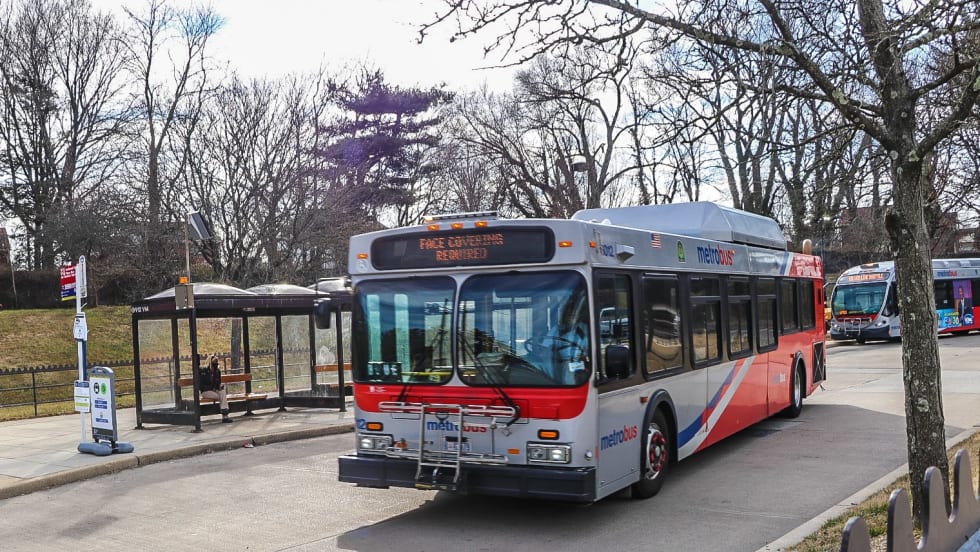
Report: Transit Bus Manufacturing Supports 34,100 Jobs, $5.1B in GDP
The “Buses Mean Business” report examines the transit bus manufacturing industry’s economic footprint, supply chain, and rising demand for vehicle replacements.
Read More →