



10 rail ideas that still matter
Another top 10 list in our 100th Anniversary special section.
The history of passenger rail in many ways is not linear. Several times in U.S. history the mode has nearly been abandoned altogether. But rail has survived, and these important breakthroughs made it possible. 1. Electric traction: Frank Sprague’s work in electric traction began in the 19th century, but widespread commercialization of his ideas occurred after the 20th century began. Without electric propulsion, underground metro systems were unpleasant and hazardous. 2. Elevated railroads: Beginning with Chicago and New York, cross-urban rail also went above ground. Though unsightly, they avoided the problems that electric traction obviated. 3. Streetcars: In perhaps a historic quirk, Sprague got his first chance to apply electric propulsion to streetcars, which were horsedrawn and not much faster than walking. The result was an explosion in streetcar systems in the early 20th century Ñ to the point of overcapacity by the mid-1920s. After a long period when community after community ripped out their systems, cities are returning to surface rail transit. Some are bringing back historic streetcars. 4. The first creators of sprawl: While automobiles’ speeds (and subsidies) took the idea much farther, urban sprawl was actually first stimulated by interurban rail lines. Henry Huntington’s Pacific Electric in California and several other systems in the East and Midwest were classic examples. 5. Presidents’ Conference Committee: With the growing challenge of the automobile, the streetcar industry knew it had to modernize its image and efficiency. This committee of streetcar CEOs came up with the PCC car Ñ still the most successful vehicle standardization effort ever. The issues driving the project are just as relevant today. Those responsible for the PCC success were actually committed to adopting their work Ñ and did. 6. Sprague’s second big invention: Locomotive-hauled trains had and still have a drawback: smaller trains are far less economic to operate. Sprague solved this problem with the multiple-unit concept (a non-powered car coupled with a motorized one). Smaller electric traction equipment more readily enabled multiple units. The result revolutionized economies in off-peak periods of rail operation. 7. Digging the subway boom: Beginning with the opening of Boston’s subway in 1897, cities began to take heavily traveled transit corridors underground. With minor exceptions, these have come with hefty public-sector financial commitments, supported in most cases by voter-approved dedicated local taxes. In 1970, Oakland, Calif., became the eighth American city with a rail corridor (BART) at least partly in subway. Today, 15 cities have their rail systems partly in tunnel. The boom inherently is thus as much a political achievement as technological. 8. Computer chips on rails: Beginning with the BART system in the early 1970s, computers became increasingly involved in rail operations. Breakthroughs in power chips made traction power much more reliable with far less electromagnetic interference. By the 1980s, metro systems began to be fully driverless in Europe (see below). If Moore’s Law is true (which holds that computing power doubles every 18 months or so, and conversely, the price of said given power halves about as fast), then we’ll see ever-more affordable rail technology in the future. 9. Technology explosion: Partly related to the previous item, rail transit has undergone an explosion in technology. It has created problems for both the supply chain as well as operational challenges such as recruitment and training of skilled people. Indeed, some call it the greatest challenge to ensuring reliable and cost-effective rail operations. 10. Automated train control: What was once the province of airports in the U.S. has spread to other applications such as urban transit elsewhere. Union advocates foresaw driverless trains as far back as the debates over the first modern transit legislation in 1964. Thanks to some of the above breakthroughs, signaling and train control retrofits now make driverless systems affordable.
More Management

Public Transit Conference Returning to GFX in 2027, Call for Papers Now Open
The Call for Papers is now open, allowing transit agency professionals and industry experts to help shape the PTC educational program by submitting session ideas for consideration.
Read More →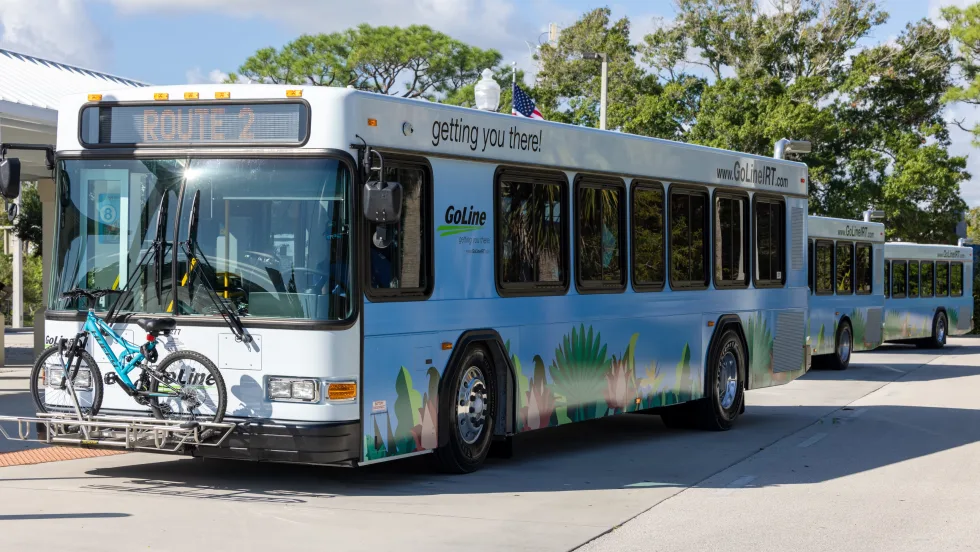
Indian River Transit’s Community-Focused Approach Earns National Recognition
Named APTA’s 2026 Outstanding Public Transportation System in its size category, Florida’s Indian River County transit system continues to grow ridership through fare-free service and a focus on evolving community needs.
Read More →
ENC Lands MATA Contract and More in Biz Briefs
In this edition of Biz Briefs, we spotlight the latest developments shaping the future of mobility.
Read More →

From Surviving to Thriving: Building Stronger Transportation Organizations
Bus Business Consultants founder Brian Dickson shares lessons on leadership, organizational health, and creating options for long-term success in a changing transportation industry.
Read More →
Everett Transit, Community Transit Outline Consolidation Agreement
The proposed agreement calls for a 50% increase in bus service in Everett, a new microtransit zone, continued paratransit service, and the transfer of Everett Transit operations to Community Transit.
Read More →
Strada360’s Steve Lassey on Turning Transit Data Into Better Decisions
From breaking down data silos to preparing for AI, Strada360 CEO Steve Lassey discusses how transit agencies can use technology to improve operations, customer information, and long-term decision-making.
Read More →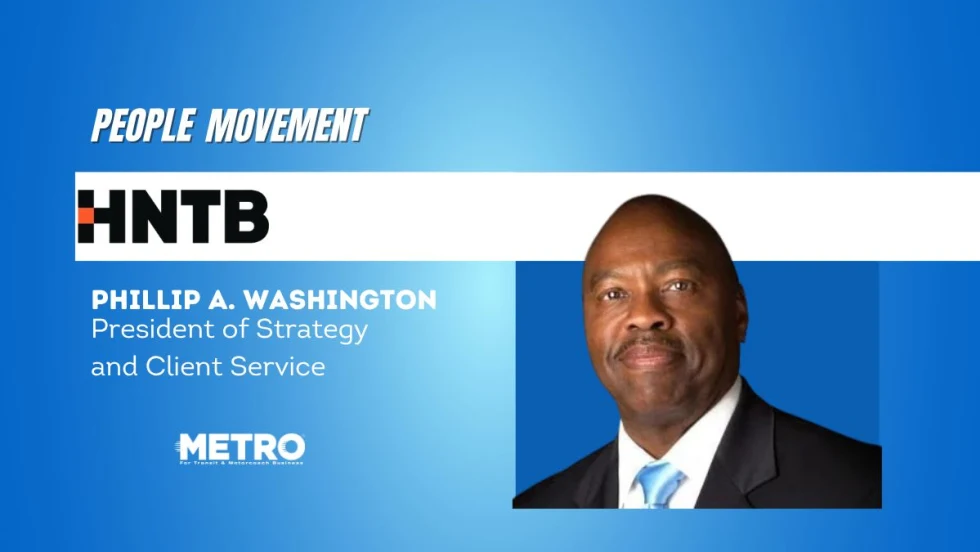
People Movement: Phil Washington Joins HNTB, Denver RTD Launches CEO Search, and More
In this edition, we also spotlight recent personnel moves at STV, the Eno Center for Transportation, and more, highlighting the people taking on new roles across the transportation industry.
Read More →
SEPTA Details Accelerate Vision for Transit System
The plan outlines investments in trolley modernization, new Metro and Regional Rail vehicles, accessible stations, and more frequent bus and rail service.
Read More →
FTA Ends Direct Oversight of MBTA Safety Actions
The federal agency closed its remaining special directive to the Massachusetts Department of Public Utilities following a safety review that began in 2022.
Read More →
Report: Transit Bus Manufacturing Supports 34,100 Jobs, $5.1B in GDP
The “Buses Mean Business” report examines the transit bus manufacturing industry’s economic footprint, supply chain, and rising demand for vehicle replacements.
Read More →