



10 technology themes that still shape transit
Cliff Henke, contributing editor and former associate publisher/editor of METRO delivers a list of 10 tehcnological advances that shaped the last 100 years of transit.

As with many currents in the flow of history, the industry is replete with choices that influenced events downstream. In this column, we’ll take a look at 10 technology choices that made the industry decidedly different. 1. Transit goes underground. There is no better statement about your city’s future shape than when you commit to taking your system below the streetscape. When Boston and New York built their subway systems in the early 20th century, it showed public transport’s ultimate potential. Decades later, Seattle demonstrated that the same concept works for buses, too. Boston listened, and today the Silverline has more passengers than any other BRT route. 2. Transit rediscovers traffic priority. The interurban construction boom taught us that transit can compete when given its own right-of-way. However, too often buses and trains share their routes with others. Even priority at signalized intersections has been a challenge. However, policy makers are rediscovering that bus and rail lines with priority over or separation from mixed traffic are cost-effective investments that score big market share gains. 3. The switch to buses. Whether you believe it was a cynical conspiracy, the perfect storm of bad choices or the inevitable result of technology’s march toward more output with less input (my theory), buses became the industry’s dominant vehicle by the mid-1950s. 4. Propulsion goes onboard. Beginning with rail’s switch to multiple units and the advent of motor buses, more of the industry’s fleet has become decentralized, and the change has created more operational flexibility and productivity. This will likely continue as U.S. cities join their counterparts abroad and begin to deploy modern diesel-electric cars. As buses go hybrid, could we see all modes in the same shop? 5. The PCC car vindicates standards. I have mentioned the decade-long effort to build a standard streetcar several times in this series already. With the American Public Transportation Association’s and other industry initiatives, are we finally ready to take the episode’s lessons to heart? 6. The little bus that could. One thing that Europeans envy America for is its extensive demand-response minibus systems. Dial-a-ride was put in place in the 1960s largely to address mobility needs of older and disabled populations. With computer-aided dispatching technologies, some cities use demand-response for much more, even to compete with the door-to-door convenience of cars. 7.Buses that bend in the middle. The 1970s brought rubber-tired articulated vehicles from Europe. Seattle in particular showed U.S. operators that higher-capacity transit didnt have to be on rails. The current bus rapid transit boom appears to agree as federal studies estimate two-thirds of this emerging segment will likely be artics. 8. Surface rail rediscovered. Calgary and Edmonton borrowed another lesson from Europe, that surface rail was still good for urban life, and with reliable, proven designs, it could be affordable. San Diego copied the blueprint, which became “light rail.” Today, nearly two dozen cities have such systems. While most projects in the New Starts project pipeline are light rail, some old-fashioned streetcar systems are also making comebacks. 9. Cleaner and greener. The Clean Air Act amendments in 1990 were bus transit’s marching orders to ever-cleaner emissions. All kinds of fuels have been experimented with, but the two finalists in the green race seem to be natural gas vs. clean-diesel hybrid, which face the same 2007 EPA emissions standards. Tougher standards are looking to force the issue on commuter rail soon, as well. 10. Can we go on a diet? Many of the above technologies make vehicles very heavy, which beat up roads and rails and consume tax and fare dollars in weight-related operating costs. Lighter composites have been introduced to LRVs and buses, but they are more expensive. Will this force the penultimate industry push toward life-cycle costing?
More Management

Public Transit Conference Returning to GFX in 2027, Call for Papers Now Open
The Call for Papers is now open, allowing transit agency professionals and industry experts to help shape the PTC educational program by submitting session ideas for consideration.
Read More →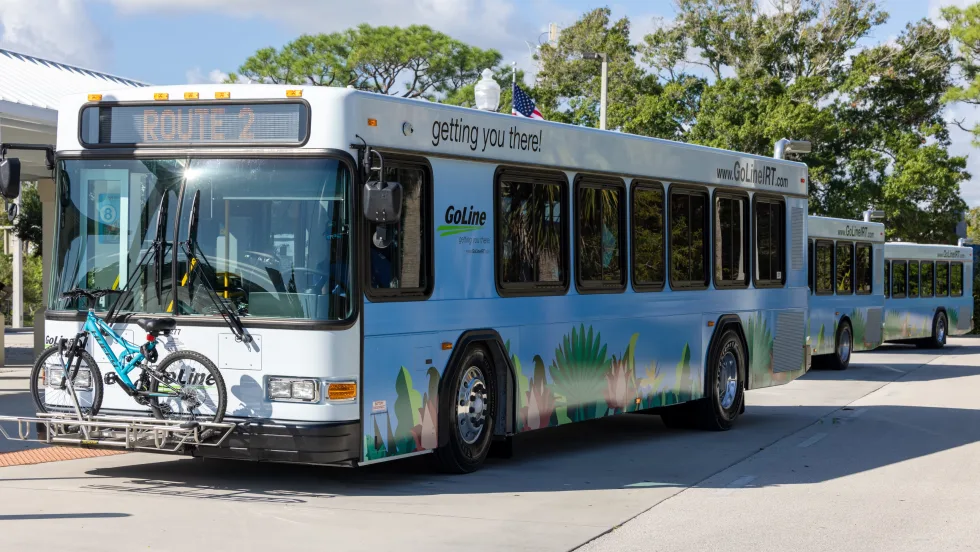
Indian River Transit’s Community-Focused Approach Earns National Recognition
Named APTA’s 2026 Outstanding Public Transportation System in its size category, Florida’s Indian River County transit system continues to grow ridership through fare-free service and a focus on evolving community needs.
Read More →
ENC Lands MATA Contract and More in Biz Briefs
In this edition of Biz Briefs, we spotlight the latest developments shaping the future of mobility.
Read More →

From Surviving to Thriving: Building Stronger Transportation Organizations
Bus Business Consultants founder Brian Dickson shares lessons on leadership, organizational health, and creating options for long-term success in a changing transportation industry.
Read More →
Everett Transit, Community Transit Outline Consolidation Agreement
The proposed agreement calls for a 50% increase in bus service in Everett, a new microtransit zone, continued paratransit service, and the transfer of Everett Transit operations to Community Transit.
Read More →
Strada360’s Steve Lassey on Turning Transit Data Into Better Decisions
From breaking down data silos to preparing for AI, Strada360 CEO Steve Lassey discusses how transit agencies can use technology to improve operations, customer information, and long-term decision-making.
Read More →
People Movement: Phil Washington Joins HNTB, Denver RTD Launches CEO Search, and More
In this edition, we also spotlight recent personnel moves at STV, the Eno Center for Transportation, and more, highlighting the people taking on new roles across the transportation industry.
Read More →
SEPTA Details Accelerate Vision for Transit System
The plan outlines investments in trolley modernization, new Metro and Regional Rail vehicles, accessible stations, and more frequent bus and rail service.
Read More →
FTA Ends Direct Oversight of MBTA Safety Actions
The federal agency closed its remaining special directive to the Massachusetts Department of Public Utilities following a safety review that began in 2022.
Read More →
Report: Transit Bus Manufacturing Supports 34,100 Jobs, $5.1B in GDP
The “Buses Mean Business” report examines the transit bus manufacturing industry’s economic footprint, supply chain, and rising demand for vehicle replacements.
Read More →