



10 Tips for Developing an Effective Transit Website
A user-friendly Website may help increase ridership and improve an agency’s image.
In the past few years, transit Websites have become a vital communication tool for transit agencies of all sizes. The sites can offer customers information on topics ranging from fares and schedules to employment, procurement and planning information. Customers have flocked to these Websites. Half a million or more Web users visit the sites of larger agencies each month. Between 8% and 20% of transit users have visited their local transit agency’s Website, according to surveys conducted by seven transit agencies of varying size. Site usage is mushrooming, with annual growth of 30% to 100% or more common. Transit agencies realize a variety of benefits from the Internet, including attracting increased ridership and improving their image in the community. Much of the current buzz in transit Website development is focused on sophisticated wireless services, such as downloads to handheld devices and instant alerts via pagers, cell phones and e-mail. These next-generation features are promising, but the vast majority of Internet users still begin their visit at an agency’s home page. The most important goal for transit agency Websites is thus very simple: to enable users to quickly and easily find the information they want. The following 10 tips show ways to accomplish this goal. 1. Make the home page quick to load Rather than cramming as much information as possible onto your home page, you should strive to create a clean visual appearance that makes it easy for users to navigate to the information they need. Minimal graphics mean the home page downloads quickly. Users are here for information, not entertainment. They do not want to wait and they will often move to another site if the wait is too long. Ideally, pages should download in less than 10 seconds using a 56k modem. 2. Link directly from the home page to most-used content Using specific terminology like “Schedules and Maps” and “Fare Information” helps visitors navigate directly to the information they are most likely to need. Most visitors will not need to dig deep into the site to find the information they want. Many of them are simply looking for schedules, which are best linked from the home page. Help visitors better navigate your site by using fewer links. Using six to 10 links means visitors do not need to search through a long, overwhelming list. Repeating the same navigation elements on each page of the site also helps users keep track of where they are on the site. Users should be able to jump to any part of the site from any other part. 3. Help visitors and other new customers orient themselves An explanation of services helps visitors and local residents who are unfamiliar with the types of transit services available and locations served. The San Francisco Muni’s explanation of its services covers cable cars, historic streetcars, buses and trolley coaches. It is the explanation page that also includes fare information and a list of popular destinations and the lines that serve them. The Greater Cleveland Regional Transit Authority’s page on airport service takes away the guesswork for visitors unfamiliar with the local geography or transit service. Those examples focus on the information provided and not the audience — better to say “airport services” than “visitor information.” 4. Make schedules readable on screen and printable on paper Schedules that can be read on screen or printed out on standard 8.5- by 11-inch paper provide the quickest, easiest access to schedule information. Names of stops down the side eliminate the need for baffling abbreviations in headers across the top — headers that disappear as the user scrolls down. Using HTML instead of (or in addition to) pdf files means users need not download the Adobe Acrobat Reader or adapt to its different interface. 5. List every stop on the route A list of stops lets customers know where to go to catch the bus or train. This is especially important for potential new customers who are probably more accustomed to simply walking to their garage. 6. Use zoomable maps Zoomable system maps provide both an overview of the service area and, through zooming, sufficient detail to see routes and streets. Clicking on the system map for Sonoma County (Calif.) Transit brings up an enlarged image of that portion of the map. 7. Use clickable maps that take users directly to a schedule Clicking on any of the route numbers on the Salem (Ore.) Transit system map takes users directly to the schedule and map for that route. This suits users’ need to first find the desired route on a map and then obtain detailed schedule information. 8. Offer trip itinerary planners Online trip planners tailor route and schedule information to customers’ specific trips. They are an ideal solution for helping Website users plan trips and are often requested by customers. The Chicago Transportation Authority’s trip planner offers the choice of specifying a street address or landmark, acceptable walking distances and preference for minimizing walking, transfers or travel time. That puts the user in control. Results offer several nicely laid out itineraries, with fares, walking distances and directions. Users can then choose which is best for them. 9. Provide travel advisories with real-time information By doing this, customers can check whether their bus is running late before they leave their home, office or school, and may be able to switch to alternate transportation to avoid a delay. 10. List out-of-service escalators and elevators This is especially important for people with disabilities who rely on elevators to enter and leave the system.
More Management
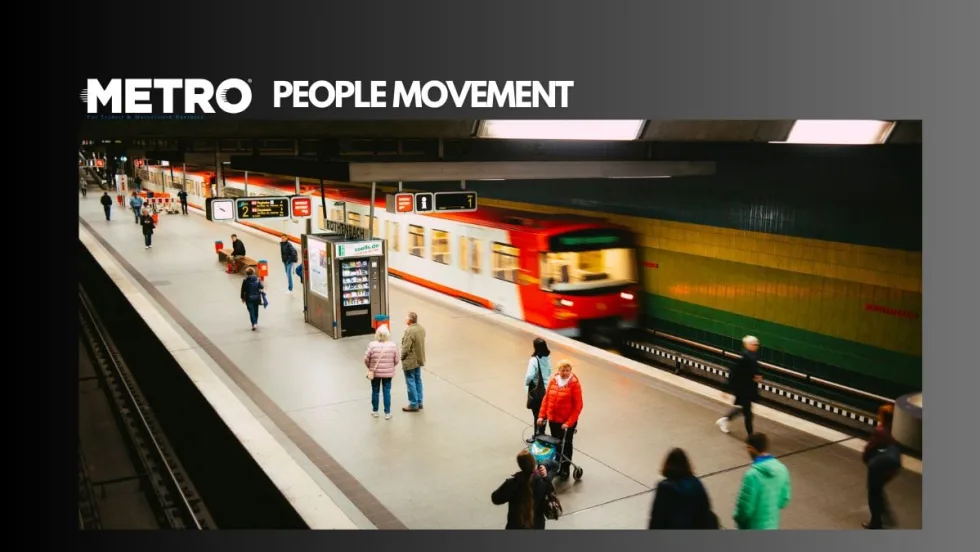
People Movement: Connectpoint Expands Leadership Team, Stadler Names New Group CEO, and More
In this edition, we also spotlight recent personnel moves at Burns, UZURV, and more, highlighting the people taking on new roles across the transportation industry.
Read More →
More Than a Summer Job: Building the Next Generation of Transit Talent
The Delaware River Port Authority and PATCO have transformed their internship program into a hands-on professional development experience that introduces students to the breadth of transportation careers — and creates a pipeline for future employees.
Read More →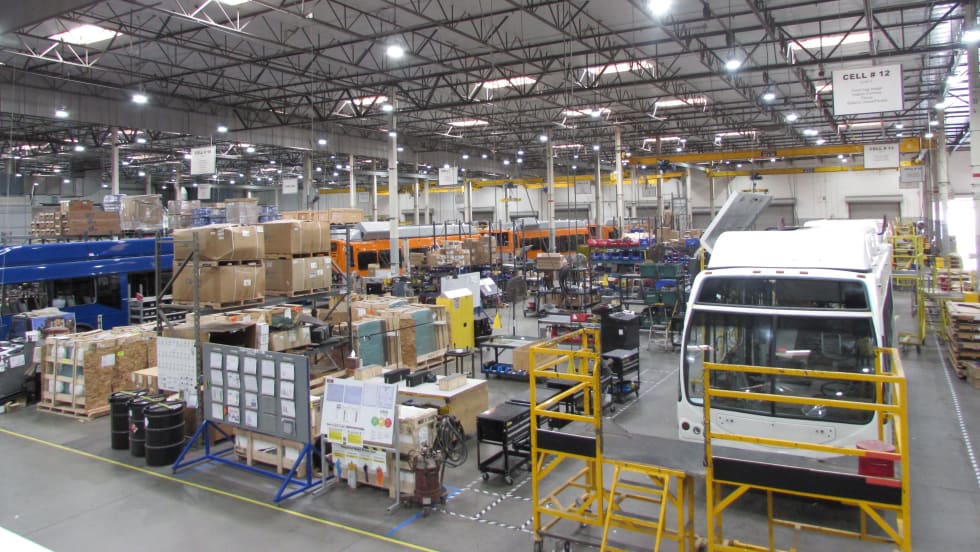
LA Metro Board Awards 220 Battery-Electric Bus Contract to ENC
The contract, which is the largest base award of battery-electric buses by a U.S. transit agency, will be built in Southern California, sustaining good jobs as LA prepares to welcome the world in 2028
Read More →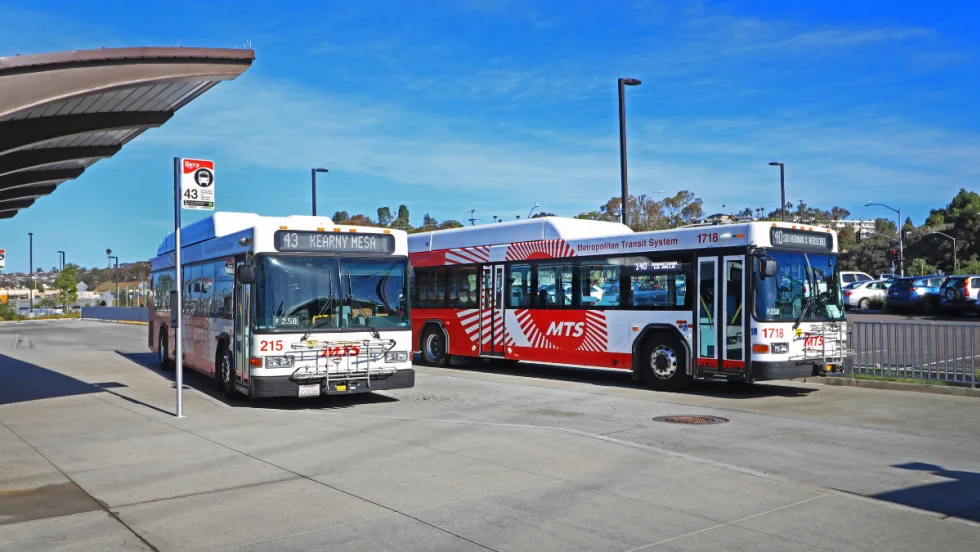
What’s Behind San Diego MTS’s Award-Winning Transit Strategy
Named one of APTA’s 2026 Outstanding Public Transportation Systems with 50 million or more annual passenger trips, California’s San Diego Metropolitan Transit System points to gains in ridership, safety, technology, and reliability as foundations of its success.
Read More →
Public Transit Conference Returning to GFX in 2027, Call for Papers Now Open
The Call for Papers is now open, allowing transit agency professionals and industry experts to help shape the PTC educational program by submitting session ideas for consideration.
Read More →
Indian River Transit’s Community-Focused Approach Earns National Recognition
Named APTA’s 2026 Outstanding Public Transportation System in its size category, Florida’s Indian River County transit system continues to grow ridership through fare-free service and a focus on evolving community needs.
Read More →
ENC Lands MATA Contract and More in Biz Briefs
In this edition of Biz Briefs, we spotlight the latest developments shaping the future of mobility.
Read More →
From Surviving to Thriving: Building Stronger Transportation Organizations
Bus Business Consultants founder Brian Dickson shares lessons on leadership, organizational health, and creating options for long-term success in a changing transportation industry.
Read More →
Everett Transit, Community Transit Outline Consolidation Agreement
The proposed agreement calls for a 50% increase in bus service in Everett, a new microtransit zone, continued paratransit service, and the transfer of Everett Transit operations to Community Transit.
Read More →
Strada360’s Steve Lassey on Turning Transit Data Into Better Decisions
From breaking down data silos to preparing for AI, Strada360 CEO Steve Lassey discusses how transit agencies can use technology to improve operations, customer information, and long-term decision-making.
Read More →