



10 unexpected milestones
Turning points in the past century that had unforeseen consequences.
Important milestones have shaped each decade of the past century and, in most cases, gone well beyond normal expectations. The turning points below were not necessarily planned with the consequences in mind, but they helped shape the industry’s journey through the past century. 1.1900-1910: Big Apple’s ferry takeover. New York’s takeover of the Staten Island Ferry sparked the beginning of public-sector bail-outs of private transit services, a process culminating in the massive bail-outs and creation of regional districts in the 1960s, which organized the industry of today. 2.1910-1920: Enter the bus. Beginning with the Cleveland Railway in 1912, public transportation began to operate both buses and trains in the same systems in order to preserve networks and keep declining lines productive. Like most successful marriages, they have beautiful synergy — but they have their moments, too. 3.1920-1930: The highway boom begins. In 1921, the Federal Highway Act began the widening gap between what government spends on roads versus what it spends on public transit of all other kinds. Additional policies and the public’s growing ability to afford autos certainly contributed to the shift in modal use, but this law marks where at least the official policy favoritism began — and arguably the source of the real problem. 4.1930-1940: The feds begin their rescue. Almost as soon as Uncle Sam got comfortable in the road-building business, the Great Depression hit. The devastation brought about FDR’s New Deal, one program of which was the Public Works Administration (PWA). PWA funds were first used in 1936 to rebuild a few rail transit lines — thus beginning the federal rethinking about its role in transit. 5.1940-1950: Living side by side. In 1943, Los Angeles’ Pacific Electric Railway opened a line in the median of an automobile expressway. It did so because the land was available in a well-traveled corridor, and the highway builders deemed it too expensive and impractical to use as more roadway. Plus, Pacific Electric paid good money for it. Considered novel at the time, it is now thought to be a basic option in any corridor evaluation study. 6. 1950-1960: Rosa refuses to get — or give — up. Looking back now, it seemed not only expected, but inevitable. To those on the bus that day, Rosa Parks was an unlikely lightning rod for a movement. “I was just tired,” she said, presumably about her reason for not moving to the back of the bus that day. To those seeking equal access in transportation, the barriers will fall when those frustrated by them are too tired. Let it be hope and admonition alike for those involved in public transportation. 7.1960-1970: Minneapolis’ Nicollet Mall opens. This 1968 event gave us more than the backdrop for the Mary Tyler Moore Show’s opening. It also showed cities how good transit and urban form are symbiotic, a concept copied in Portland, Ore., Denver — and hopefully many more. 8.1970-1980: Amtrak’s bailout. Beginning with the 1971 bail-out of Penn Central that formed Amtrak, Uncle Sam got into the operating assistance business, which spread to urban services for roughly 20 years. Many did not think it would last for intercity rail either — a controversy that remains. 9.1980-1990: Reagan’s “jobs bill.” The Gipper agreed to a 1983 nickel hike in the federal gas tax as a “user fee” to generate jobs and jump-start a moribund economy. The penny reserved for transit began what was to become the cornerstone of our industry’s current federal guaranteed funding. 10.1990-2000: Clinton’s “deficit tax” comes home. What was first floated as deficit filler, a “Btu tax” was hounded out of town even by his own party. The 1993 compromise was a gas tax, and its return to the Highway Trust Fund — with transit’s fair share going to its proper home, too — laid the groundwork for the record increases and guarantees of TEA 21. It also aggravates a growing problem in this century: How to pay for future project demand as vehicles get more efficient and use less gas?
More Management

Public Transit Conference Returning to GFX in 2027, Call for Papers Now Open
The Call for Papers is now open, allowing transit agency professionals and industry experts to help shape the PTC educational program by submitting session ideas for consideration.
Read More →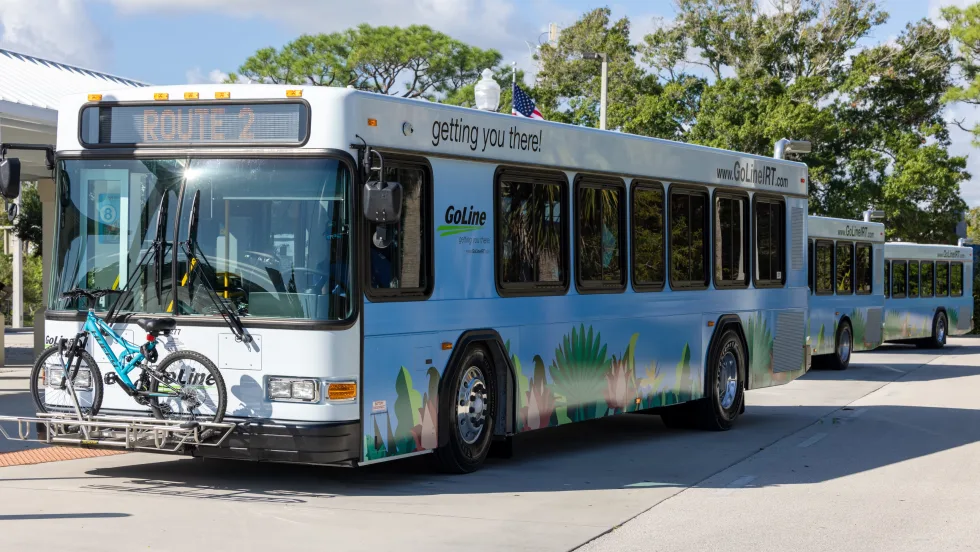
Indian River Transit’s Community-Focused Approach Earns National Recognition
Named APTA’s 2026 Outstanding Public Transportation System in its size category, Florida’s Indian River County transit system continues to grow ridership through fare-free service and a focus on evolving community needs.
Read More →
ENC Lands MATA Contract and More in Biz Briefs
In this edition of Biz Briefs, we spotlight the latest developments shaping the future of mobility.
Read More →

From Surviving to Thriving: Building Stronger Transportation Organizations
Bus Business Consultants founder Brian Dickson shares lessons on leadership, organizational health, and creating options for long-term success in a changing transportation industry.
Read More →
Everett Transit, Community Transit Outline Consolidation Agreement
The proposed agreement calls for a 50% increase in bus service in Everett, a new microtransit zone, continued paratransit service, and the transfer of Everett Transit operations to Community Transit.
Read More →
Strada360’s Steve Lassey on Turning Transit Data Into Better Decisions
From breaking down data silos to preparing for AI, Strada360 CEO Steve Lassey discusses how transit agencies can use technology to improve operations, customer information, and long-term decision-making.
Read More →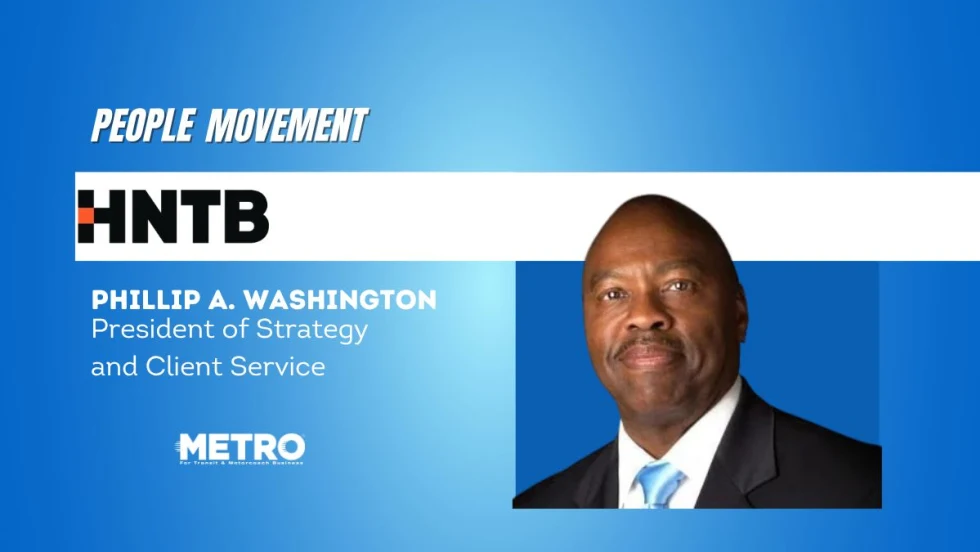
People Movement: Phil Washington Joins HNTB, Denver RTD Launches CEO Search, and More
In this edition, we also spotlight recent personnel moves at STV, the Eno Center for Transportation, and more, highlighting the people taking on new roles across the transportation industry.
Read More →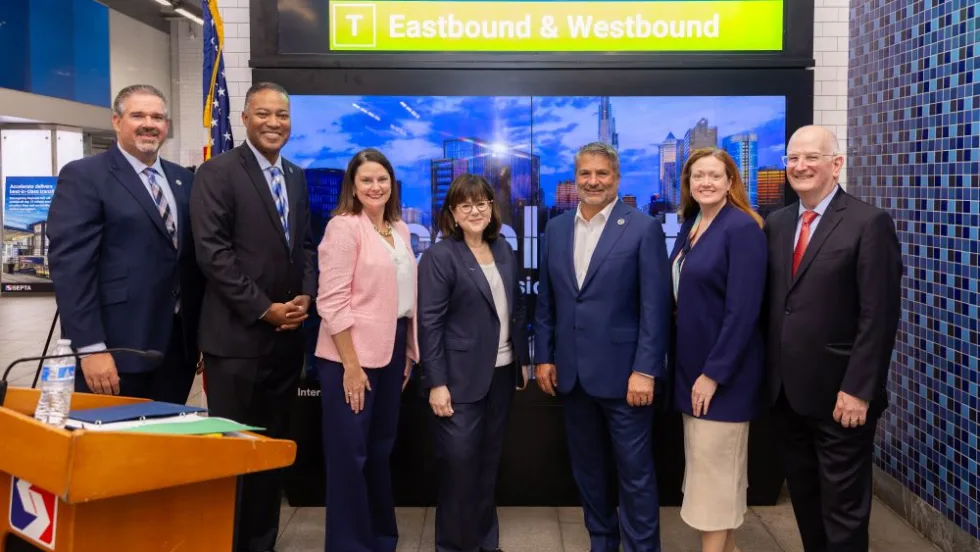
SEPTA Details Accelerate Vision for Transit System
The plan outlines investments in trolley modernization, new Metro and Regional Rail vehicles, accessible stations, and more frequent bus and rail service.
Read More →
FTA Ends Direct Oversight of MBTA Safety Actions
The federal agency closed its remaining special directive to the Massachusetts Department of Public Utilities following a safety review that began in 2022.
Read More →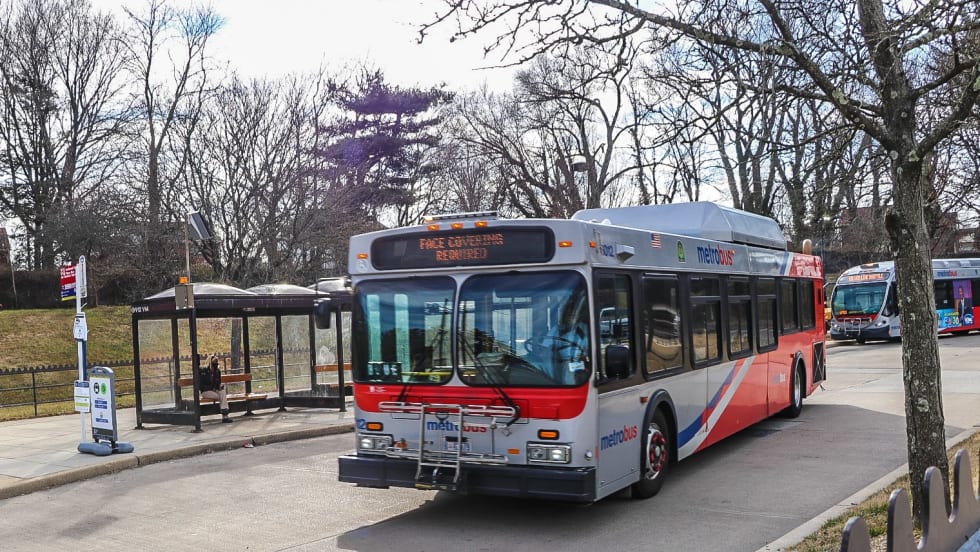
Report: Transit Bus Manufacturing Supports 34,100 Jobs, $5.1B in GDP
The “Buses Mean Business” report examines the transit bus manufacturing industry’s economic footprint, supply chain, and rising demand for vehicle replacements.
Read More →