



100-Bus Coalition pushes for legislation against funding limits
Transit systems with fewer than 100 peak-service buses are rallying to get legislation introduced that would prevent them from having their federal funding restricted.

Unless federal law is changed before the government’s fiscal year begins, about 130 small transit systems across the country face significant restrictions imposed on the federal funding they receive.
David Kilmer, executive director of Red Rose Transit Authority (RRTA) in Lancaster, Pa., will only be able to use about half of the $3 million in federal dollars that RRTA is apportioned annually for operating assistance. “So in essence, beginning July 1, I’m $1 million short even though I still get the federal money. I just can’t use it to run the service,” Kilmer said. Such a reduction would force RRTA to reduce its service by half, he says.
According to the federal rules, public transit systems serving urbanized areas with populations of over 200,000 cannot use federal funds for general operating expenses — only capital expenditures and asset management. The population determination is made each year by the U.S. Commerce Department based on census data.
However, Kilmer contends that the system for determining urbanized areas is unfair. “There are several systems around the country that, because of suburban sprawl, have been swallowed up by the bigger urbanized areas,” he explained. “Now [they] fall under these new rules just because [their] urbanized area merged with a bigger one.”
After the 2000 census, 55 systems went over the 200,000 population limit. “They lost their operating assistance overnight, and many of them never recovered,” said Kilmer. It was then that Kilmer and his group first made a push to get Congress to make an exception for flexibility in spending.
During the reauthorization of SAFETEA-LU in 2005, the coalition was able to get a few “temporary stays of execution,” as Kilmer puts it, but as the law was written, the exceptions would be phased out. In the 2006 fiscal year, operators were allowed to use half of their apportionments for operating assistance, then it was reduced to one-quarter in 2007 and to zero in 2008.
At that time, a bill was introduced to make the exceptions permanent; it passed in the House during the reauthorization, but stalled in committee before reaching a Senate vote.
Because of the impending shortfall, Kilmer is spearheading a group he is calling the 100-Bus Coalition to push for legislative action, with the goal of protecting transit systems that operate fewer than 100 buses on fixed-route service during peak hours, a generally recognized threshold for transit. “Systems operating over 100 buses generally have enough preventive maintenance expenses and you’re allowed to capitalize those,” Kilmer said. “So you could take the federal money you were using for operating and now capitalize it for preventive maintenance, which means any expense for maintaining your buses, including labor.”
Coalition members say that small transit systems operating fewer than 100 peak buses rarely have asset maintenance costs equal to 50% of the amount historically used for operating costs, as the impending parameters would require. While the federal investment in capital and infrastructure is important and vital, they say, it makes little sense for these transit systems to buy new buses or equipment that they will not be able to afford to operate.
Kilmer e-mails regular updates to the 130 coalition members, urging them to spread the word in their localities and to contact their representatives in Congress.
As a result, the Transit System Flexibility Protection Act of 2007, introduced in both Houses in January, currently has 14 co-sponsors in the Senate and 31 co-sponsors in the House and must get through the Senate Banking Committee before reaching a vote. “We’re not asking for more money,” Kilmer explains. “We just want the ability to use what we’re getting. We feel it should be a local decision on how the money is used.”
More Management
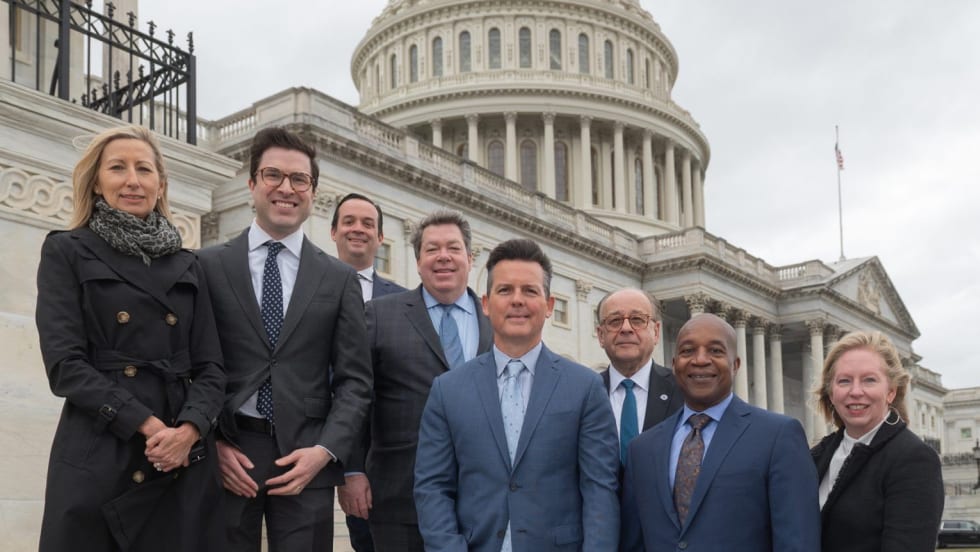
The Business Voice Behind Public Transportation
As chair of APTA’s Business Members Board of Governors, Ray Melleady explains how more than 850 business members are partnering with transit agencies to advance funding, innovation, and industry-wide collaboration.
Read More →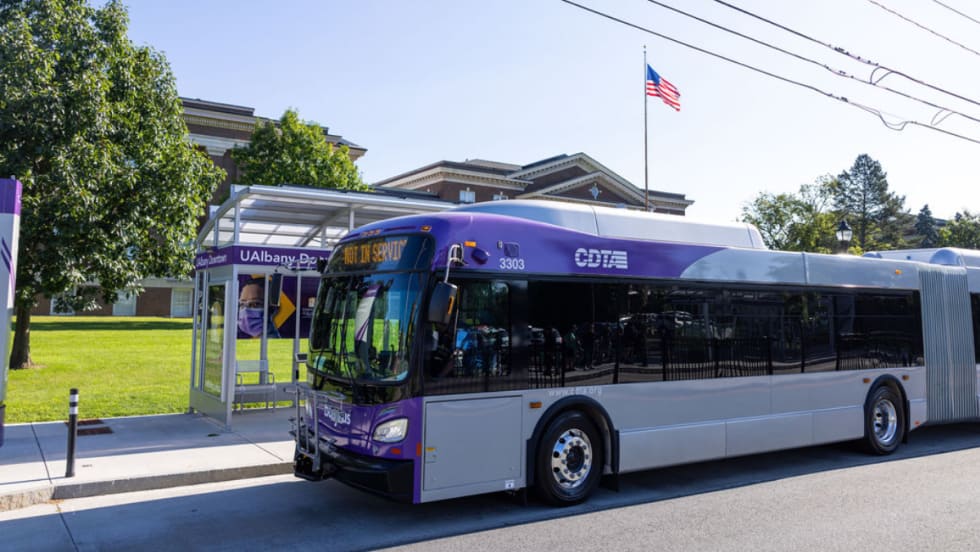
New York’s CDTA Service Rebalancing Boosts Productivity, On-Time Performance
Despite a slight dip in ridership, the agency’s FY2026 results show its service rebalancing strategy is helping the agency carry more riders per service hour while improving reliability.
Read More →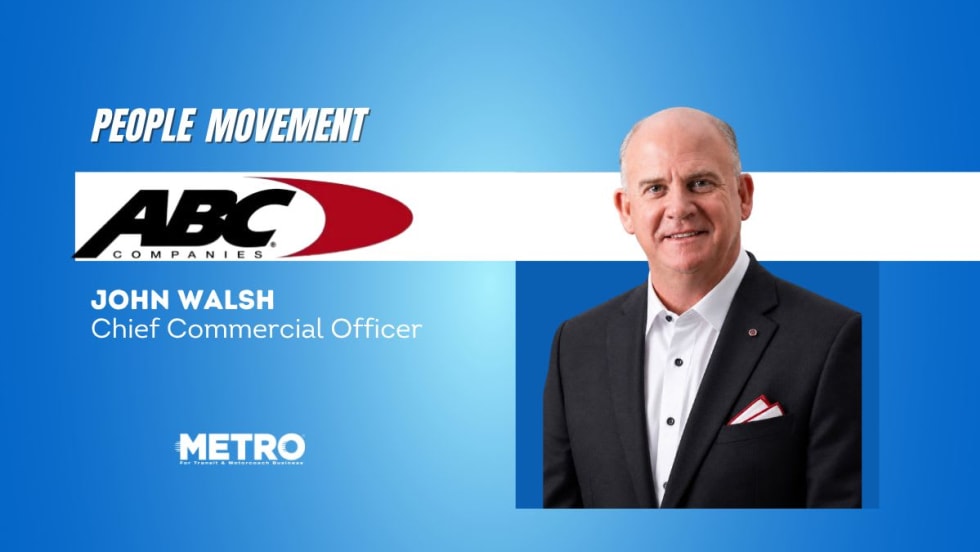
People Movement: ABC Names John Walsh as Chief Commercial Officer
In this edition, METRO also covers recent appointments and announcements at the DART, STV, and more, showcasing the individuals helping to shape the future of transportation.
Read More →
From Surviving to Thriving: Building Stronger Transportation Organizations
Bus Business Consultants founder Brian Dickson shares lessons on leadership, organizational health, and creating options for long-term success in a changing transportation industry.
Read More →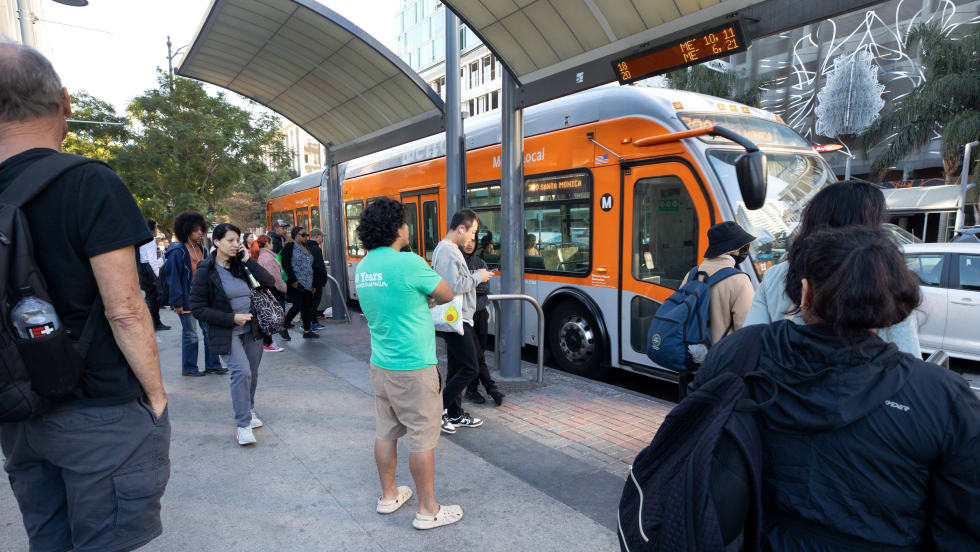
LA Metro Ridership Continues Growth as Rail Gains Accelerate
New rail connections and major events help drive continued ridership gains, with Metro recording its eighth consecutive month of year-over-year rail growth.
Read More →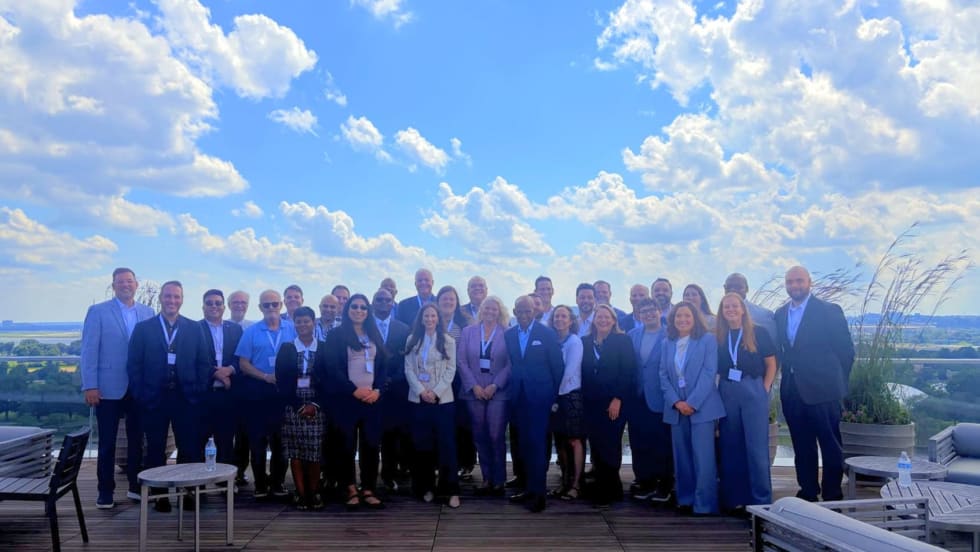
TransDASH Summit Focuses on Measuring What Matters in Transit
Transit agencies unveil a national performance platform designed to benchmark customer experience, safety, community value, and other outcomes.
Read More →
Jacksonville’s NAVI Project Charts a New Course for Autonomous Public Transportation
Through its NAVI program, JTA is showing how autonomous vehicles, intelligent infrastructure, and coordinated operations can work together to deliver everyday public transportation.
Read More →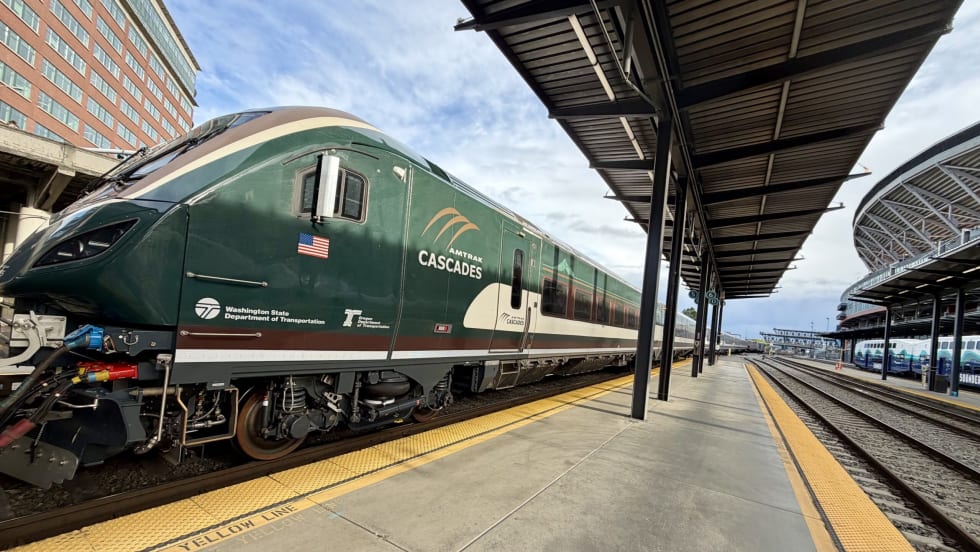
FRA Announces $5.3B in Rail Investments, Including $2B for Amtrak
Funding will support grade-crossing improvements, infrastructure upgrades, and new Amtrak equipment in 23 states.
Read More →
Finding the ‘Happy Medium’: Optimizing Maintenance Without Sacrificing Reliability
The key to maintenance optimization isn’t doing less work—it’s doing the right work at the right time on the right assets.
Read More →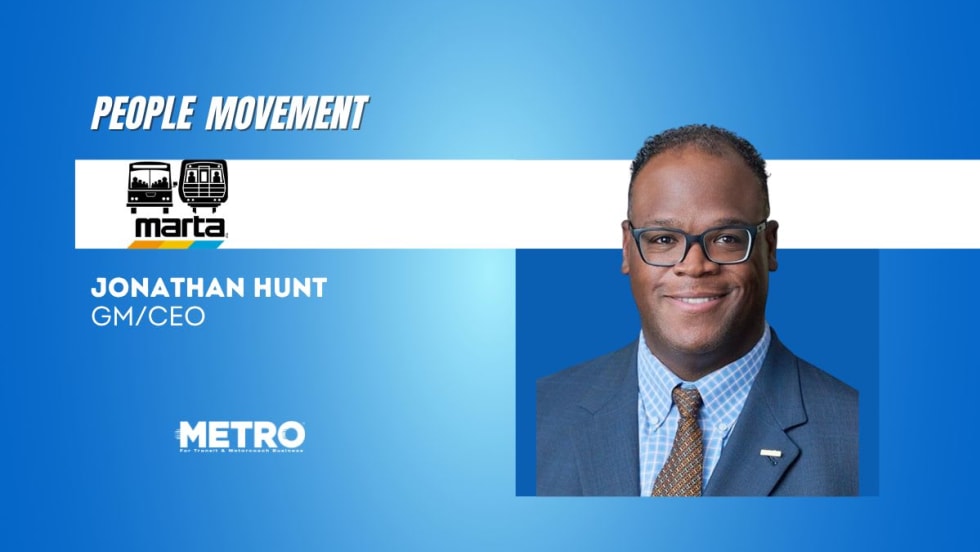
People Movement: MARTA Drops Interim Tag on GM/CEO Hunt and More
In this edition, METRO covers recent appointments and announcements at the FMCSA, HDR, SilverRide, and more, showcasing the individuals helping to shape the future of transportation.
Read More →