



100 years of deadlines
Here's to another 100 years of covering the public transportation industry.
More than 20 years ago, when I began my tenure at METRO, the 100th anniversary of this magazine seemed like a distant star on the horizon. The day-to-day requirements of putting out a publication for the bus and passenger rail industries forced me to keep my eyes trained on a much closer target — the deadline for the next issue.
So it’s with amazement and humility that I find we’ve arrived at that distant star! I guess it’s true: The longest journey begins with the first, in this case, issue. Our predecessors, of course, deserve most of the credit for navigating us to this destination.
A quick history lesson
The magazine was launched in 1904 as Electric Traction Weekly. In 1912, it went from weekly to monthly frequency. In 1932, the name of the magazine was changed to Electric Traction and Bus Journal to reflect the growing importance of bus transportation in the United States.
In 1935, the name of the magazine was changed to Mass Transportation. The financial health of the magazine was perilously weak just before World War II, but things began to pick up in 1943 and the magazine survived.
Twenty years later, the magazine was purchased by Hitchcock Publishing and, in 1959, renamed Modern Passenger Transportation. In 1961, another name change was instituted, to Metropolitan Transportation. Four years later it was shortened to simply Metropolitan.
The Bobit era begins
In 1965, Metropolitan was purchased by Bobit Publishing, the current owner (and recently renamed Bobit Business Media). In 1975, the magazine’s title was shortened to METRO.
Don’t be distracted by the magazine’s numerous name changes. Throughout its history, the publication’s essential objective has remained the same — providing timely, insightful coverage of an industry that’s constantly changing in the face of funding challenges, technology advances, legal and regulatory changes, social transformations and, of course, political directives.
Those behind the scenes
Lest I forget, I’d like to thank Ed and Ty Bobit for their contributions to METRO. As chairman and president/CEO of Bobit Business Media, respectively, Ed and Ty have shown tremendous faith in me over the years, allowing me to run the magazine in my own way and financing without complaint the numerous trips I must make each year to stay in touch with the industry.
I’d also like to thank my staff. Mark Hollenbeck, METRO’s national sales manager, did an awesome job in supporting this issue, as did Mary Kay Duff, my administrative assistant. Editor Steve Hirano, Managing Editor Joey Campbell and Associate Editor Janna Starcic deserve hazardous duty pay. They sweated 100 years’ worth of details to bring this project to fruition. Production Manager Mary Reimer, Art Director Marge Young and Graphic Artist Heather Ritchie also sweated the details of this issue and scores of others. Thanks also to the other support departments who played a key role in this issue.
One hundred years of deadlines is a small price to pay for being a part of this industry. Providing safe, efficient public transportation that reduces congestion and pollution and meets the mobility needs of a large segment of the population is a noble cause. It’s been our pleasure to have a ringside seat to this endeavor.
Here’s to another 100 years of public transportation. By bus, rail and any other mode that may come down the pike, we’ll be along for the ride!
More Management

Public Transit Conference Returning to GFX in 2027, Call for Papers Now Open
The Call for Papers is now open, allowing transit agency professionals and industry experts to help shape the PTC educational program by submitting session ideas for consideration.
Read More →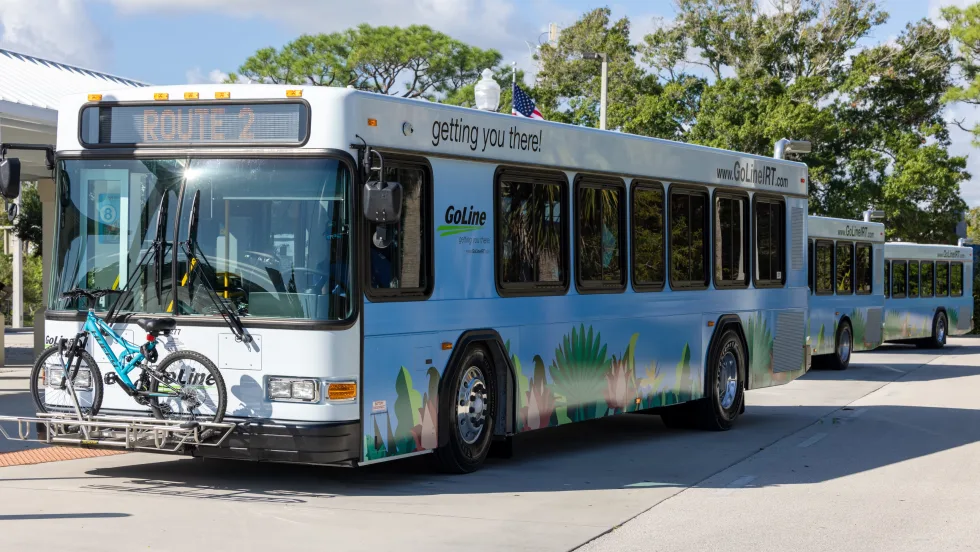
Indian River Transit’s Community-Focused Approach Earns National Recognition
Named APTA’s 2026 Outstanding Public Transportation System in its size category, Florida’s Indian River County transit system continues to grow ridership through fare-free service and a focus on evolving community needs.
Read More →
ENC Lands MATA Contract and More in Biz Briefs
In this edition of Biz Briefs, we spotlight the latest developments shaping the future of mobility.
Read More →

From Surviving to Thriving: Building Stronger Transportation Organizations
Bus Business Consultants founder Brian Dickson shares lessons on leadership, organizational health, and creating options for long-term success in a changing transportation industry.
Read More →
Everett Transit, Community Transit Outline Consolidation Agreement
The proposed agreement calls for a 50% increase in bus service in Everett, a new microtransit zone, continued paratransit service, and the transfer of Everett Transit operations to Community Transit.
Read More →
Strada360’s Steve Lassey on Turning Transit Data Into Better Decisions
From breaking down data silos to preparing for AI, Strada360 CEO Steve Lassey discusses how transit agencies can use technology to improve operations, customer information, and long-term decision-making.
Read More →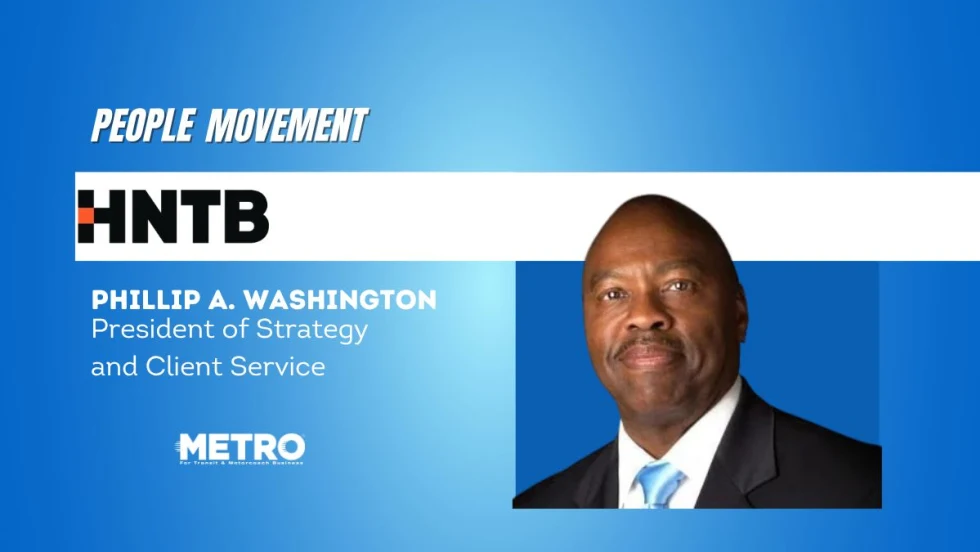
People Movement: Phil Washington Joins HNTB, Denver RTD Launches CEO Search, and More
In this edition, we also spotlight recent personnel moves at STV, the Eno Center for Transportation, and more, highlighting the people taking on new roles across the transportation industry.
Read More →
SEPTA Details Accelerate Vision for Transit System
The plan outlines investments in trolley modernization, new Metro and Regional Rail vehicles, accessible stations, and more frequent bus and rail service.
Read More →
FTA Ends Direct Oversight of MBTA Safety Actions
The federal agency closed its remaining special directive to the Massachusetts Department of Public Utilities following a safety review that began in 2022.
Read More →
Report: Transit Bus Manufacturing Supports 34,100 Jobs, $5.1B in GDP
The “Buses Mean Business” report examines the transit bus manufacturing industry’s economic footprint, supply chain, and rising demand for vehicle replacements.
Read More →