



Arming Bus Operators With Self-Defense Strategies
Only a handful of transit agencies teach bus operators self-defense tactics such as blocks and kicks. The training reportedly empowers drivers while improving onboard safety.

Fighting back is not always the best option — but sometimes it works. In August 2000, a bus operator at Pierce Transit in Lakewood, Wash., was confronted by a methamphetamine-crazed man bent on hijacking the bus. The man tried to force the operator out of the seat, but the driver was able to deflect the attack and then was immediately assisted by angry passengers. “Needless to say, the perp received the worst of the encounter and was provided a ride and a nice pair of bracelets [by the police],” says Rod Baker, transit public safety manager at Pierce Transit. The driver was shaken up by the incident but not injured. This incident is an example of a best-case outcome to a situation that could have ended tragically. The fact that the operator had received training to defend himself probably had a positive impact on the outcome. Had the driver given up the bus to the would-be hijacker, who knows how many passengers, motorists or pedestrians could have been injured or killed. Few proponents in transit But the teaching of self-defense techniques to bus operators is relatively rare in the transit industry. Concerns about liability exposure are high. For example, if a passenger spits on a bus operator and the driver responds by beating the passenger senseless, the agency certainly would be asked about the wisdom of training drivers to kick and punch. This fear of creating “transit ninjas” has kept most systems from moving forward with training to defend against physical attacks. Many proponents of the training, however, believe that this concern is unwarranted. “If you can trust an employee with a bus that’s worth upwards of half-a-million dollars, can’t you also trust them with a little bit of information about how to defend themselves?” asks Adrian Moy, an instructor with the National Transit Institute and a former operator and trainer with San Francisco Municipal Railway and TriMet in Portland, Ore. Especially when coupled with a clearly understood use-of-force policy, self-defense training can improve a bus operator’s confidence and morale. “Operators are often frustrated, feeling that they’re powerless out there,” says Steve Luther, safety training officer at The Rapid in Grand Rapids, Mich. “This training gives them a sense of power. They’re able to say, ‘If somebody attacks me, I’m at least going to be able to defend myself.’” In the two years that Luther has provided training to approximately 160 bus operators, none has been forced to use the self-defense tactics. “Because of the training, operators are less likely to resort to physical self defense, but will take the time to settle conflicts before they become explosive,” he says. Much of the credit, Luther says, goes to the larger training program, which focuses on customer service. “The whole point is to teach the operators to talk themselves out of a problem, so they don’t have to fight their way out,” Luther says. In fact, the self-defense training accounts for only three or four hours of the two-day course. Luther holds the physical training on a bus rather than a classroom or gym because it better simulates a real-world experience. “There’s just too much space in a gym,” he says. “We want them to learn to stay in the driver’s seat and work within that space.” Although Luther oversees the training, the actual arm sweeps, elbow jabs and palms strikes are taught by a driver who has martial arts training. Emphasis is also given to the legal aspects of self defense. Luther explains two basic myths. “Number one, there’s a myth that you have to be hit first in order to strike back and, number two, that if they hit you, you can do anything you want to them.” Discussion of these legal points generates useful dialogue and allows operators to vent their concerns and fears, Luther says. Why teach self defense? Pierce Transit added its self-defense training component back in the mid-1990s. Jeff Benoit, security manager at Pierce during that period, worked with consultants to customize a program that trains drivers to defend themselves from a seated position. Benoit, who left Pierce in 1999 to become security manager at Sound Transit in Seattle, says the seated-position strategy makes sense because it protects the operator’s head and takes advantage of the legs, which are longer and stronger than the arms and hands, to fend off attacks. “It’s all about kicking and getting someone away from you,” he says. Concerns about how the operators would use the training surfaced. “We made sure that the operators understood that they had some personal liability,” Benoit says. Following up on the training, Pierce officials discovered that fears about abuse were unfounded. “Our stats showed us that when they had these tools, operators used them appropriately,” he says. Steve Nunan, who also helped to develop the program at Pierce when he was employed there during the mid-’90s, says transit systems that embrace the self-defense training should partner with local law enforcement. “They’re comfortable teaching self-defense techniques such as positioning and blocking, plus they have more credibility than a transit instructor,” he says. Nunan, who’s now manager of bus instruction at Chicago Transit Authority, says the need for self-defense training has been spurred by a rise in aggressive behavior over the past 15 years. “We’ve become less gracious as a society,” he says. “Bus operators face the same things that every person at a 7-Eleven faces — bad behavior, substance abuse, disorderly conduct.” Changing the bus operator’s perspective of their role on the bus is a key factor in reducing the frequency of confrontations. Drivers need to move beyond the notion that they’re the “captain of the ship,” Nunan says. “That has proven to be a dangerous and unreasonable assumption.” Better, he says, is an operator with an attitude that he is the “caretaker of the public’s transportation system.” Dan Hacker, a deputy with the Pierce County Sheriff’s Department, has been teaching self-defense tactics to Pierce Transit’s bus operators for the past six years. He’s careful to explain the legal aspects of self defense. “We teach them that the whole idea is to protect them, not just physically but financially as well,” he explains. The fundamental rule, Hacker says, is that a driver can only use the amount of force that is necessary. He then defines “necessary” under Washington state law: “No reasonably effective alternative to the use of force appeared to exist and the amount of force used was reasonable to effect the lawful purpose intended.” Hacker follows up the lecture with a written test that evaluates whether the trainees understand when and how to use force. At Pierce, the operators are taught self-defense moves such as blocking, palm strikes, hammer fist strikes, elbow strikes, straight kicks and a scraping kick called knee-shin-toe. “All of the techniques that we teach are simple but effective,” Hacker says. By providing this training, transit systems engender the loyalty of their operators, Hacker says. “Drivers get a true feeling that the agency cares about their well-being.” Winning the battle Getting transit management to support self-defense training programs is difficult, CTA’s Nunan admits. Risk managers, especially, are reluctant to take on the perceived additional liability exposure. The best chance for success is to present the training proposal to all the disparate management representatives — board members, risk managers, transportation supervisors, union officials — at a single meeting. “As long as everyone agrees to what success looks like, it’s not hard to put the training into effect,” he says.
More Management
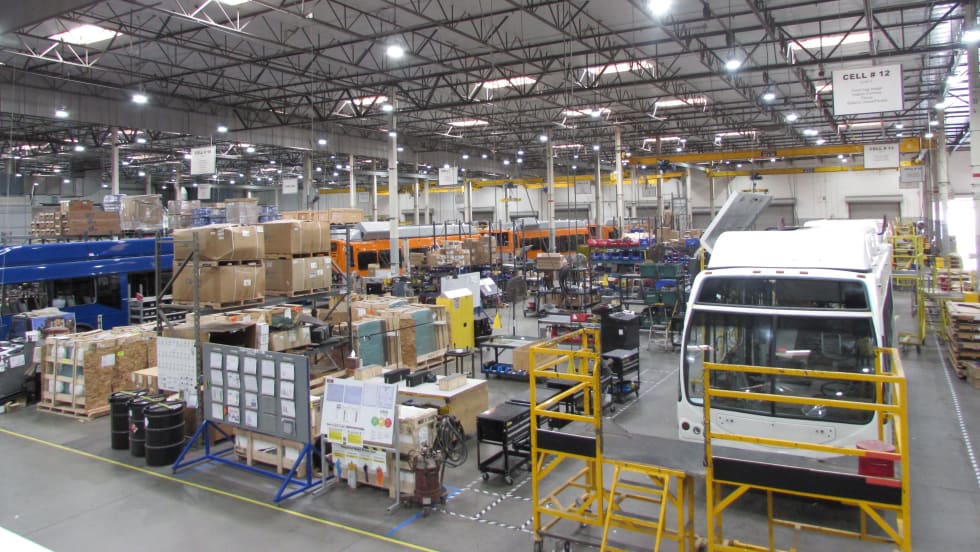
LA Metro Board Awards 220 Battery-Electric Bus Contract to ENC
The contract, which is the largest base award of battery-electric buses by a U.S. transit agency, will be built in Southern California, sustaining good jobs as LA prepares to welcome the world in 2028
Read More →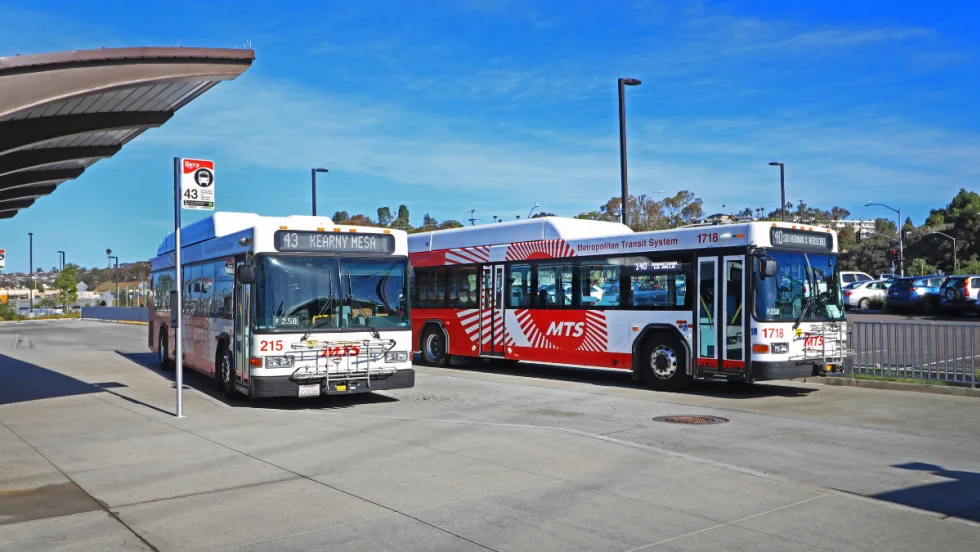
What’s Behind San Diego MTS’s Award-Winning Transit Strategy
Named one of APTA’s 2026 Outstanding Public Transportation Systems with 50 million or more annual passenger trips, California’s San Diego Metropolitan Transit System points to gains in ridership, safety, technology, and reliability as foundations of its success.
Read More →
Public Transit Conference Returning to GFX in 2027, Call for Papers Now Open
The Call for Papers is now open, allowing transit agency professionals and industry experts to help shape the PTC educational program by submitting session ideas for consideration.
Read More →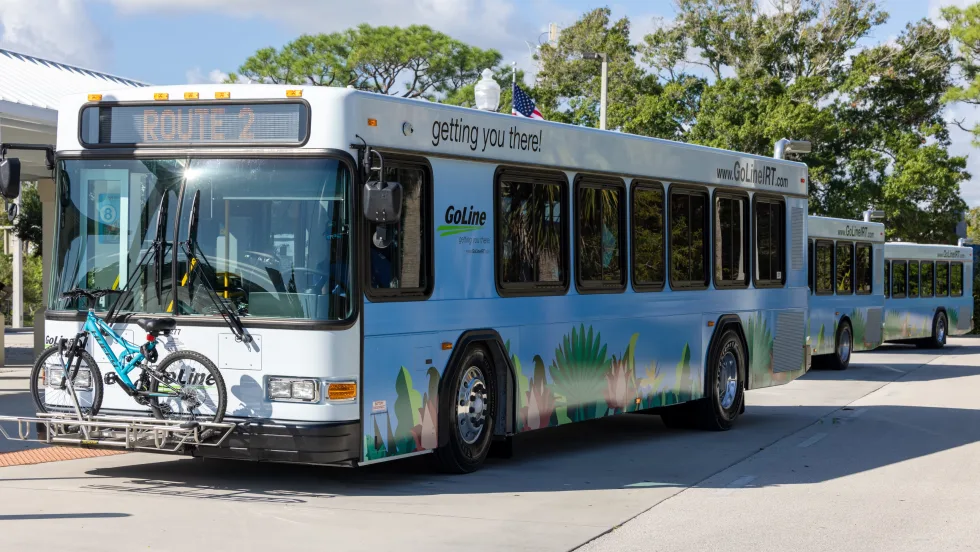
Indian River Transit’s Community-Focused Approach Earns National Recognition
Named APTA’s 2026 Outstanding Public Transportation System in its size category, Florida’s Indian River County transit system continues to grow ridership through fare-free service and a focus on evolving community needs.
Read More →
ENC Lands MATA Contract and More in Biz Briefs
In this edition of Biz Briefs, we spotlight the latest developments shaping the future of mobility.
Read More →
From Surviving to Thriving: Building Stronger Transportation Organizations
Bus Business Consultants founder Brian Dickson shares lessons on leadership, organizational health, and creating options for long-term success in a changing transportation industry.
Read More →
Everett Transit, Community Transit Outline Consolidation Agreement
The proposed agreement calls for a 50% increase in bus service in Everett, a new microtransit zone, continued paratransit service, and the transfer of Everett Transit operations to Community Transit.
Read More →
Strada360’s Steve Lassey on Turning Transit Data Into Better Decisions
From breaking down data silos to preparing for AI, Strada360 CEO Steve Lassey discusses how transit agencies can use technology to improve operations, customer information, and long-term decision-making.
Read More →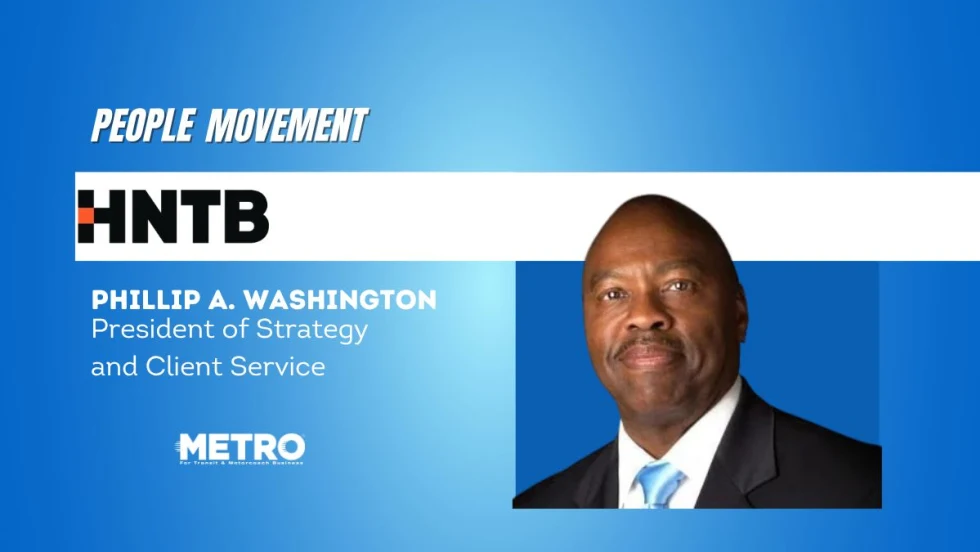
People Movement: Phil Washington Joins HNTB, Denver RTD Launches CEO Search, and More
In this edition, we also spotlight recent personnel moves at STV, the Eno Center for Transportation, and more, highlighting the people taking on new roles across the transportation industry.
Read More →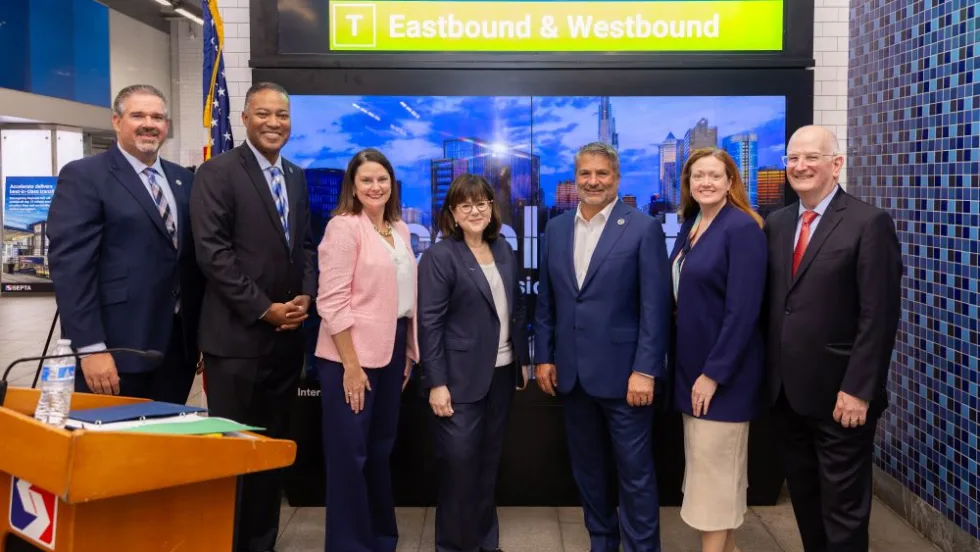
SEPTA Details Accelerate Vision for Transit System
The plan outlines investments in trolley modernization, new Metro and Regional Rail vehicles, accessible stations, and more frequent bus and rail service.
Read More →