



Bringing hybrid-electric buses into the equation
Like several other transit agencies across the country, the Transit Authority of River City (TARC) will be adding hybrid-electric buses to its fleet.
Like several other transit agencies across the country, the Transit Authority of River City (TARC) will be adding hybrid-electric buses to its fleet. We will be purchasing nine hybrid-electric buses that will be in operation in mid-2003. The addition of these buses has been and will continue to be a collaborative process involving several departments, including purchasing, safety, transportation, maintenance, marketing and planning, training, grants and capital projects and executive, as well as ATU Local 1447. TARC is also working closely with Kenneth Cox and John Powell Jr. from the Electric Transit Vehicle Institute. Knowledge is power, especially when it comes to understanding how this new transportation technology can be integrated with existing maintenance systems and procedures. We believe that the more input you have from inside the agency and from outside sources, the better decisions you can make. Playing the field As we all know, any new technology comes with its share of problems and challenges, and I'm sure the hybrid-electric bus will be no different. At this time we are only in the specification stage of the acquisition and want to keep our options open. E Bus and Advanced Vehicle Systems have brought their buses to our property in conjunction with a forum and demonstration on hybrid-electric technology and TARC's forthcoming acquisition. Both manufacturers use two battery packs for electric power and a turbine-powered generator for charging. Both vehicles have a top speed of 45 mph, which somewhat limits where they can be operated. Both companies recommend battery conditioning, which involves completely discharging and recharging back to 100%. According to the manufacturers, this process should take approximately six hours; both recommend that it be done every 30 days. From a maintenance standpoint, this is a lengthy process. Both manufacturers had problems with igniters while their buses were here. Parallel system impressive I recently attended an American Public Transportation Association conference in Minneapolis and had the opportunity to see the Allison parallel hybrid bus, which operates by electric motors and in conjunction with a diesel engine. This was my first look at the Allison parallel system, and it is impressive. It uses a B model Cummins engine, the EV 40 drive-out of a B 500 transmission, a DPIM (dual power inverter module), batteries for energy storage and system controllers. It has a top speed of 70 mph and can be operated on city streets and the expressway. It also features full regenerative braking recovery from 50 mph, which means all energy created from braking is stored in the batteries for later use. From maintenance and training standpoints, I feel we need to look at the Allison parallel hybrid bus system. We currently have Cummins engines and B 400 R Allison transmissions, and our maintenance team is familiar with them. But as I said before, we want to keep our options open and look at everything that is available. According to our projected timetable, we expect to make a decision on the type of hybrid-electric bus we will be purchasing in September, after which we will develop a maintenance program tailored to the specifications of the new vehicle. We will take delivery of the vehicle in April 2003 and begin operation Memorial Day 2003. As always, if you have any questions for me, e-mail them to info@metro-magazine.com.
More Management
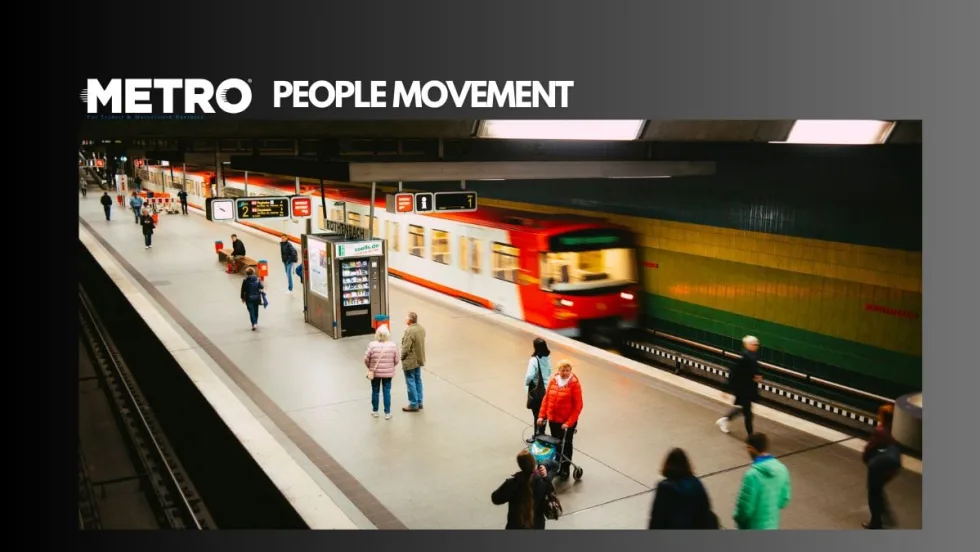
People Movement: Connectpoint Expands Leadership Team, Stadler Names New Group CEO, and More
In this edition, we also spotlight recent personnel moves at Burns, UZURV, and more, highlighting the people taking on new roles across the transportation industry.
Read More →
More Than a Summer Job: Building the Next Generation of Transit Talent
The Delaware River Port Authority and PATCO have transformed their internship program into a hands-on professional development experience that introduces students to the breadth of transportation careers — and creates a pipeline for future employees.
Read More →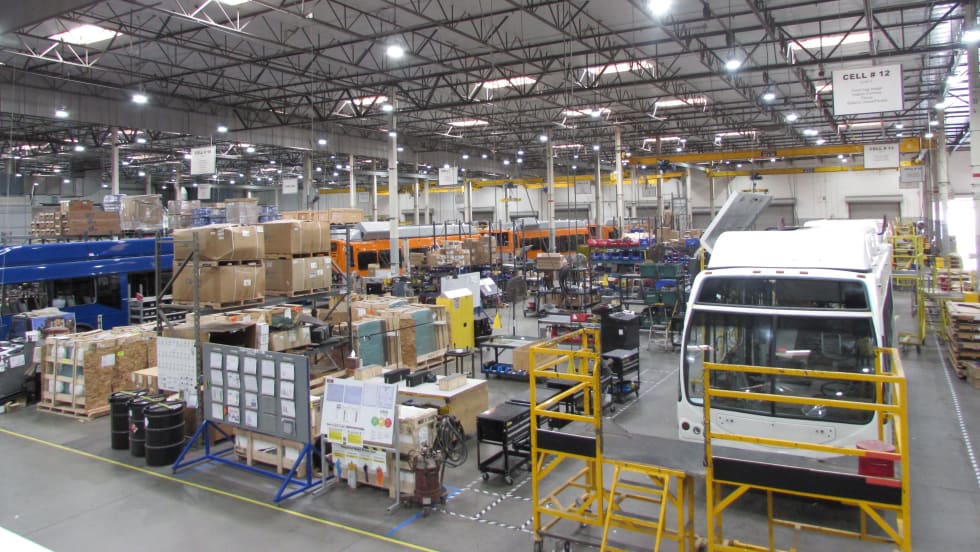
LA Metro Board Awards 220 Battery-Electric Bus Contract to ENC
The contract, which is the largest base award of battery-electric buses by a U.S. transit agency, will be built in Southern California, sustaining good jobs as LA prepares to welcome the world in 2028
Read More →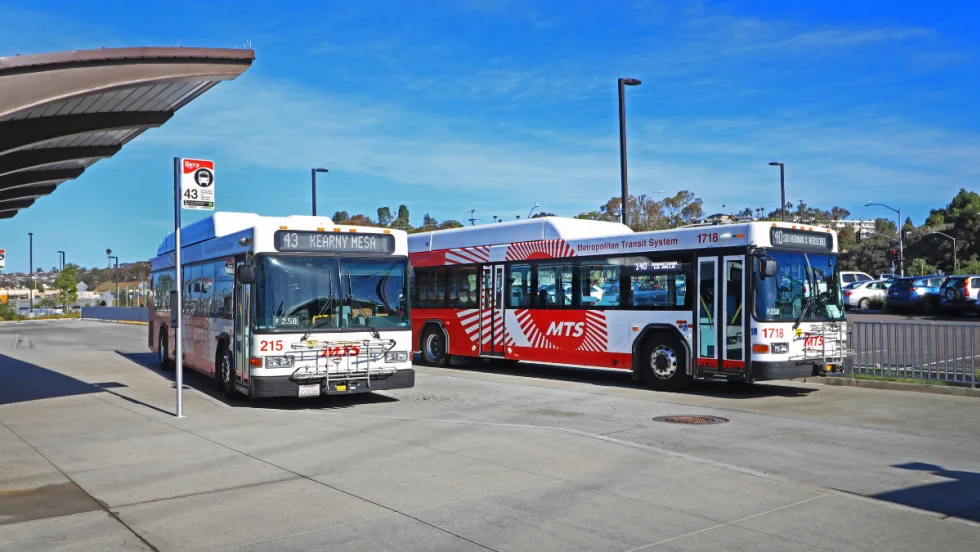
What’s Behind San Diego MTS’s Award-Winning Transit Strategy
Named one of APTA’s 2026 Outstanding Public Transportation Systems with 50 million or more annual passenger trips, California’s San Diego Metropolitan Transit System points to gains in ridership, safety, technology, and reliability as foundations of its success.
Read More →
Public Transit Conference Returning to GFX in 2027, Call for Papers Now Open
The Call for Papers is now open, allowing transit agency professionals and industry experts to help shape the PTC educational program by submitting session ideas for consideration.
Read More →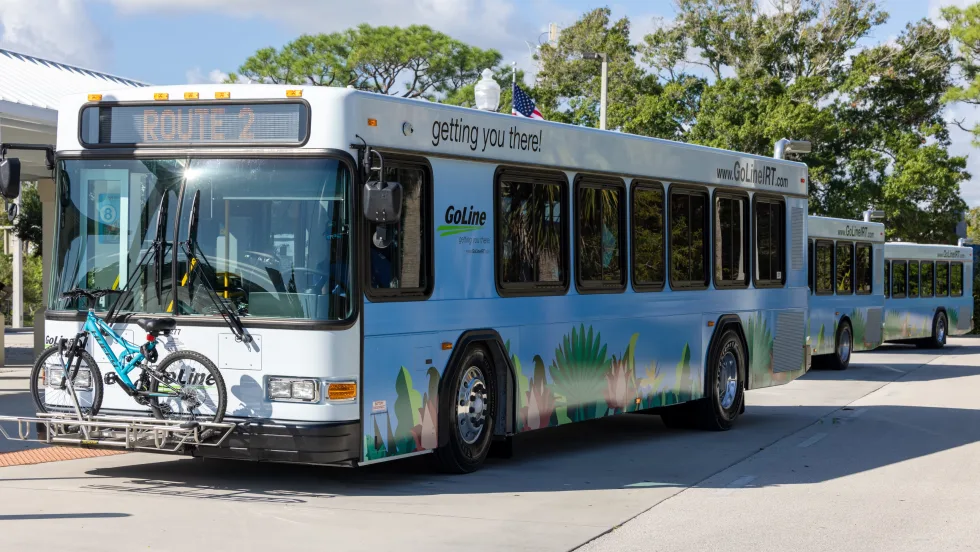
Indian River Transit’s Community-Focused Approach Earns National Recognition
Named APTA’s 2026 Outstanding Public Transportation System in its size category, Florida’s Indian River County transit system continues to grow ridership through fare-free service and a focus on evolving community needs.
Read More →
ENC Lands MATA Contract and More in Biz Briefs
In this edition of Biz Briefs, we spotlight the latest developments shaping the future of mobility.
Read More →
From Surviving to Thriving: Building Stronger Transportation Organizations
Bus Business Consultants founder Brian Dickson shares lessons on leadership, organizational health, and creating options for long-term success in a changing transportation industry.
Read More →
Everett Transit, Community Transit Outline Consolidation Agreement
The proposed agreement calls for a 50% increase in bus service in Everett, a new microtransit zone, continued paratransit service, and the transfer of Everett Transit operations to Community Transit.
Read More →
Strada360’s Steve Lassey on Turning Transit Data Into Better Decisions
From breaking down data silos to preparing for AI, Strada360 CEO Steve Lassey discusses how transit agencies can use technology to improve operations, customer information, and long-term decision-making.
Read More →