



Bus rapid transit, by any other name
Is BRT a better mouse trap? Or, more acronymically accurate, a better rat trap?
Is BRT a better mouse trap? Or, more acronymically accurate, a better rat trap? Or is it simply better rapid transit, as Joe Calabrese in Cleveland aptly puts it? Like a rose, BRT would still smell as sweet by any other name — as long as it delivers what a community needs with respect to cost-efficient transportation that moves rapidly with low impact on the environment and consequent reduction in traffic congestion. But, also like a rose, BRT comes in many varieties. Transit agencies often are not quite certain what type of vehicle will fit their BRT strategies. And manufacturers are reluctant to invest millions of dollars in trying to hit several moving targets simultaneously. So, how can North American transit agencies move forward with BRT? Phased implementation is a good start. If you’ve never made ice cream before, it’s probably best to start with plain vanilla. That’s a safe strategy for most transit properties: create a BRT system with minimal investments in infrastructure and equipment and prepare to ride the learning curve. The Los Angeles County Metropolitan Transportation Authority implemented this strategy with great success on the two Metro Rapid routes put into service in 2000. Traffic signal priority helped to reduce travel time by 25%. The branding of the program was done with some effective media relations as well as a distinctive paint scheme on the buses. Plain vanilla only goes so far, though. Because it can take several years to plan, design and finance a more ambitious BRT system with, say, exclusive busways, smart stations with docking capabilities and off-board fare collection, transit authorities need to get the ball rolling now to reap rewards by the end of the decade. Reducing the burden Standardization of the vehicles would help to reduce the risk of manufacturers — and their customers — in meeting the needs of communities. Perhaps a BRT White Book, similar to the American Public Transportation Association’s Standard Bus Specifications Manual, could be cobbled together by a task force of agencies, manufacturers and interested parties. But there’s a limit to how much standardization can be absorbed. A cookie-cutter approach will not be embraced by transit agencies that are accustomed to ordering buses with a host of non-standard options and variations. To speed the process, however, transit agencies may need to minimize unusual design requests, such as “curved sides that have a rail-like appearance.” The procurement process may need some refinements as well. The use of performance-based specifications would help manufacturers keep their costs down and improve their delivery times. The Federal Transit Administration (FTA) is a strong enabler of BRT, coordinating demonstration programs in several cities and bringing together bus manufacturers, transit properties and government officials in workshops designed to create an action plan for BRT development. But there’s still a missing link. Unfortunately, it’s the most critical link: money. Federal funding is needed to assist in the research and development of BRT vehicles. Domestic bus manufacturers are understandably reluctant to invest large sums of money in the development of a product that may or may not meet the evolving needs of transit agencies. The FTA could also help speed the development of BRT vehicles by requiring that transit properties make progress payments to manufacturers that are putting their vehicles through testing in Altoona. Cutting down the time required for testing would provide incremental benefits as well. The success of BRT programs in the U.S. hinges on the ability of bus manufacturers to be flexible in meeting the demands of transit agencies while limiting their exposure in development costs. Building a better rat trap is easy compared to the challenge facing the industry with BRT.
More Management
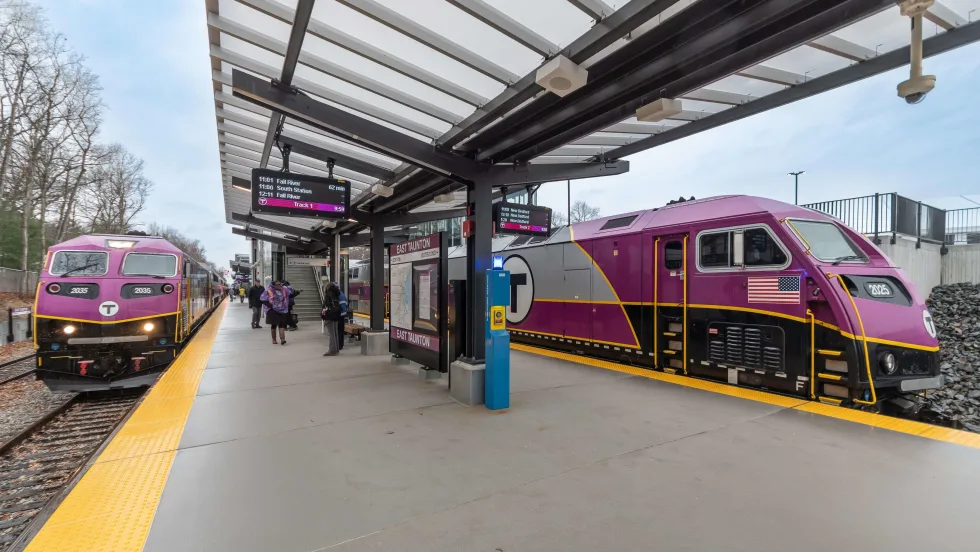
FTA Ends Direct Oversight of MBTA Safety Actions
The federal agency closed its remaining special directive to the Massachusetts Department of Public Utilities following a safety review that began in 2022.
Read More →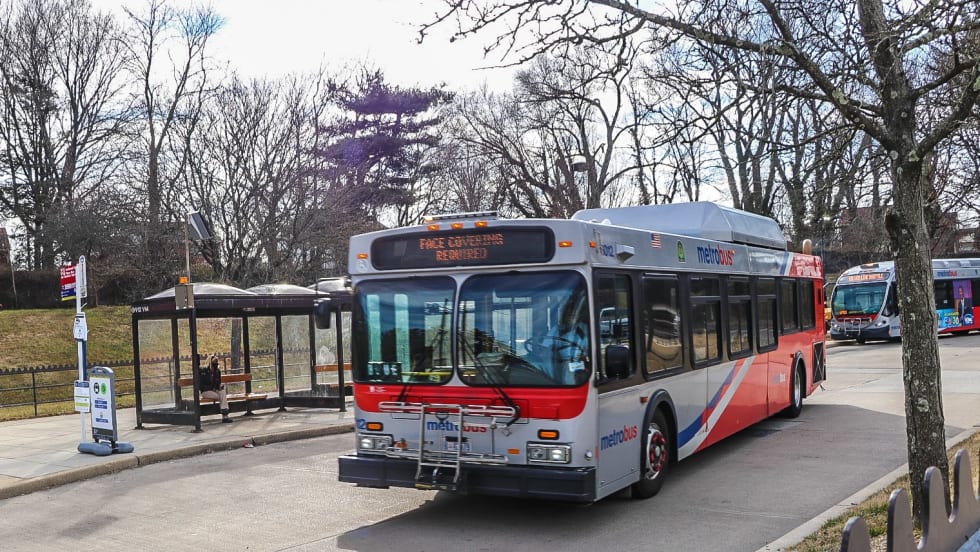
Report: Transit Bus Manufacturing Supports 34,100 Jobs, $5.1B in GDP
The “Buses Mean Business” report examines the transit bus manufacturing industry’s economic footprint, supply chain, and rising demand for vehicle replacements.
Read More →
LIT Marks 10-Year Milestone at Annual Summit
Hosted by the COTA from September 10 to 13, the Summit carried the theme “Celebrating 10 Years of Excellence, Leadership, and Impact,” with every part of the program honoring the people, agencies, and partners who built LIT over its first decade.
Read More →

People Movement: Dan Dipert Coaches Adds Third-Generation Leader, Keolis Names New Valley Metro VP/GM, and More
In this edition, we also cover recent appointments and announcements at the Wabtec, SilverRide, HNTB, and more, showcasing the individuals helping to shape the future of transportation.
Read More →
METRO Opens Submissions for 2026 Motorcoach Awards
Nominations are now being accepted for METRO Magazine’s Operator of the Year and Innovative Operator of the Year awards.
Read More →
New York MTA Advances Final Contract for Second Avenue Subway Expansion
Contract Four is the largest in the Second Avenue Subway Phase 2 project and includes construction of station infrastructure, tracks, and signals for the subway expansion, MTA officials said. Work on Contract Four will begin in 2027.
Read More →
Transit Agencies Highlight Safety Gains at National Summit
Leaders from 15 major transit systems shared crime-reduction results and safety initiatives while discussing the role of continued federal support.
Read More →
NITA Names New Leadership, Expands Reduced-Fare Program at First Board Meeting
The new regional transit authority appointed its first board chair and interim executive director while extending reduced fares across CTA, Metra, and Pace for eligible riders.
Read More →
Beyond the Checklist: A Structured Approach to Transit Maintenance
Reliability-Centered Maintenance helps transit agencies move beyond routine checklists to focus limited resources on the assets and failures that have the greatest impact on safety, reliability, and service.
Read More →
APTA 2026 Nominating Committee Selects Leadership Slate, Names Chair and Vice Chair Nominees
Leadership changes will help shape the association’s priorities and its representation of the transportation industry during the 2026–2027 term.
Read More →