



Bus Technology Conference highlights latest technology advances
The bus industry got a chance to discuss some of the latest technological advances, including alternative fuel, power systems and non-bus technologies, at METRO’s Bus Technology Conference.

The bus industry got a chance to discuss some of the latest technological advances, including alternative fuel, power systems and non-bus technologies, at METRO’s Bus Technology Conference. More than 100 people attended the conference held March 6 to 7 in Anaheim, Calif., where industry maintenance and technical staff, along with vendors and suppliers, were exposed to informative speakers and exhibits. In his welcoming address, Al Pierce, maintenance manager for the Orange County Transportation Authority (OCTA), spoke about the rapid pace at which technological advances are being made and the importance of responding to those changes. “It’s important that everybody gets trained and up to speed on this new technology,” Pierce said. Some notable forums: The Diesel Engine Update presented by Cummins Cal Pacific discussed onboard diagnostics, and I/O Controls explained electrical-multiplexing systems and their innovative capabilities. Also on hand with industry knowledge were Detroit Diesel and Allison Transmission. Along with new technology comes the issue of retraining and updating staff. “If we expect employees to repair these highly technical systems, we must give them the means to do so,” said Paul Condran, equipment maintenance assistant at the Culver CityBus. To do that, Condran recommends supporting technical maintenance curriculums at community colleges, partnering with manufacturers for research and development and supporting technical staff by budgeting dedicated funds. He also said it is important to collaborate with other transit agencies and provide some computer-based or Internet training. “Don’t expect technicians to understand the new system until you have reaffirmed the training several times. Train before and train after the equipment arrives,” he said. Darrel Gaslan of the California Air Resources Board (CARB) said that CARB is trying to support maintenance programs at community colleges. “It’s important PR to conduct proper maintenance per the manufacturer’s recommendations,” he said. “Test smoke levels at regular intervals after the engine has run.”
More Management

Indian River Transit’s Community-Focused Approach Earns National Recognition
Named APTA’s 2026 Outstanding Public Transportation System in its size category, Florida’s Indian River County transit system continues to grow ridership through fare-free service and a focus on evolving community needs.
Read More →
ENC Lands MATA Contract and More in Biz Briefs
In this edition of Biz Briefs, we spotlight the latest developments shaping the future of mobility.
Read More →
From Surviving to Thriving: Building Stronger Transportation Organizations
Bus Business Consultants founder Brian Dickson shares lessons on leadership, organizational health, and creating options for long-term success in a changing transportation industry.
Read More →

Everett Transit, Community Transit Outline Consolidation Agreement
The proposed agreement calls for a 50% increase in bus service in Everett, a new microtransit zone, continued paratransit service, and the transfer of Everett Transit operations to Community Transit.
Read More →
Strada360’s Steve Lassey on Turning Transit Data Into Better Decisions
From breaking down data silos to preparing for AI, Strada360 CEO Steve Lassey discusses how transit agencies can use technology to improve operations, customer information, and long-term decision-making.
Read More →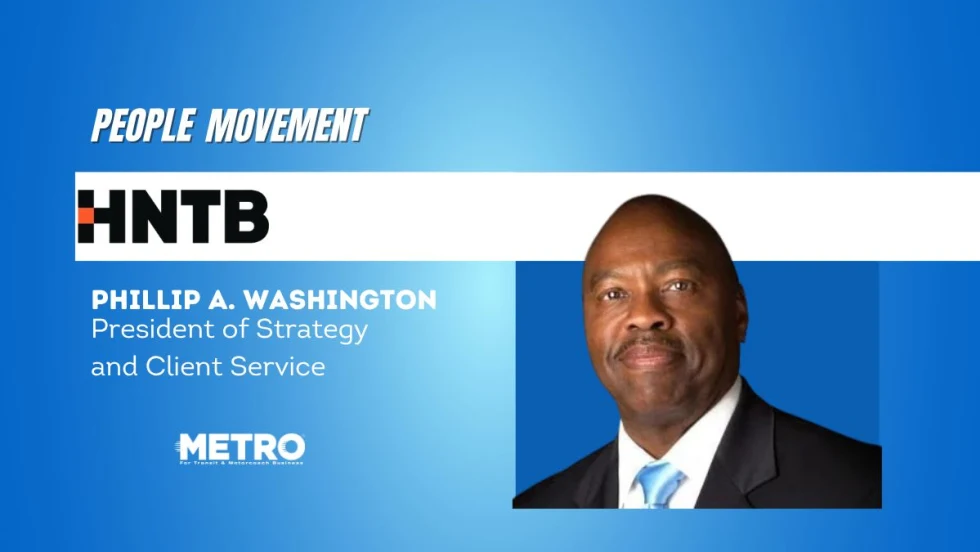
People Movement: Phil Washington Joins HNTB, Denver RTD Launches CEO Search, and More
In this edition, we also spotlight recent personnel moves at STV, the Eno Center for Transportation, and more, highlighting the people taking on new roles across the transportation industry.
Read More →
SEPTA Details Accelerate Vision for Transit System
The plan outlines investments in trolley modernization, new Metro and Regional Rail vehicles, accessible stations, and more frequent bus and rail service.
Read More →
FTA Ends Direct Oversight of MBTA Safety Actions
The federal agency closed its remaining special directive to the Massachusetts Department of Public Utilities following a safety review that began in 2022.
Read More →
Report: Transit Bus Manufacturing Supports 34,100 Jobs, $5.1B in GDP
The “Buses Mean Business” report examines the transit bus manufacturing industry’s economic footprint, supply chain, and rising demand for vehicle replacements.
Read More →
LIT Marks 10-Year Milestone at Annual Summit
Hosted by the COTA from September 10 to 13, the Summit carried the theme “Celebrating 10 Years of Excellence, Leadership, and Impact,” with every part of the program honoring the people, agencies, and partners who built LIT over its first decade.
Read More →