



Bush wasn't the only winner
The transit industry was the "other" victorious party on Election Day.
The November presidential election was among the most divisive and competitive that I can recall. Until the final bell, George Bush and John Kerry pounded each other like a couple of dazed prize fighters. It was great theater. Did the American people choose the right man? Only time will tell.
In the backdrop of this high drama was a series of smaller battles waged in the name of public transportation. Transit initiatives were tested by voters across the country. The results were heartening.
According to the Center for Transportation Excellence, more than 20 transit ballot measures worth an estimated $40 billion were successfully backed by voters on Nov. 2.
This is great news for our industry. It sends a clear message to the lawmakers on Capitol Hill that Americans are willing to invest in public transportation and are committed to reducing traffic congestion, improving air quality and ensuring that mobility concerns are addressed from a regional perspective.
Let's keep up the pressure
With the reauthorization of TEA 21 still in the works, we need to continue to press the politicians in Washington, D.C., to approve a funding level that will match the widespread enthusiasm for public transportation that was evident on Election Day.
This is not the time to relax. Congress needs to be constantly reminded of the effectiveness of investment in public transportation. Not only does it help to do all the things I mentioned earlier, this investment also creates jobs.
Although the state of the economy didn't seem to be the key factor in the outcome of the presidential election, we all know how quickly things can change. Another terrorist strike on U.S. soil, for example, could put us on our heels again. Drawing attention to the economic benefits of federal transit investment is a worthy endeavor.
Some of the high-profile measures that were approved by voters on Nov. 2 include a half-cent sales tax extension in the Phoenix area that will help fund a $16 billion plan to build a light rail line and improve bus service, among other things.
In Denver, voters gave the green light to the $4.7 billion FasTracks transit expansion plan that will involve the construction of a light rail or commuter rail line from central Denver to several outlying suburbs.
In the San Francisco bay area, voters approved a $980 million bond issue to pay for earthquake safety modifications to the Bay Area Rapid Transit system. It was approved by a 70-30 margin. Two years ago, the same measure lost by 2.2 percentage points.
In Austin, Texas, a $100 million commuter rail starter line was approved by 63% of voters, an impressive margin. The proposal calls for diesel-powered trains to operate along existing railroad track already owned by Capital Metro.
A few tough defeats
While these measures provide us with strong optimism about transit development, not all initiatives were embraced. In Vancouver, Wash., voters defeated a measure that would have doubled a 0.3% transit sales tax and staved off deep cuts in the local bus system. In Santa Cruz County, Calif., voters decisively defeated a half-cent sales tax designed to raise $530 million for transportation projects.
You're not going to win every fight, as Kerry discovered. But the record number of approvals of transit initiatives bodes well for the near future. Let's keep lobbying for continued investment. We all know that's in the best interest of our industry and this country.
More Management

Public Transit Conference Returning to GFX in 2027, Call for Papers Now Open
The Call for Papers is now open, allowing transit agency professionals and industry experts to help shape the PTC educational program by submitting session ideas for consideration.
Read More →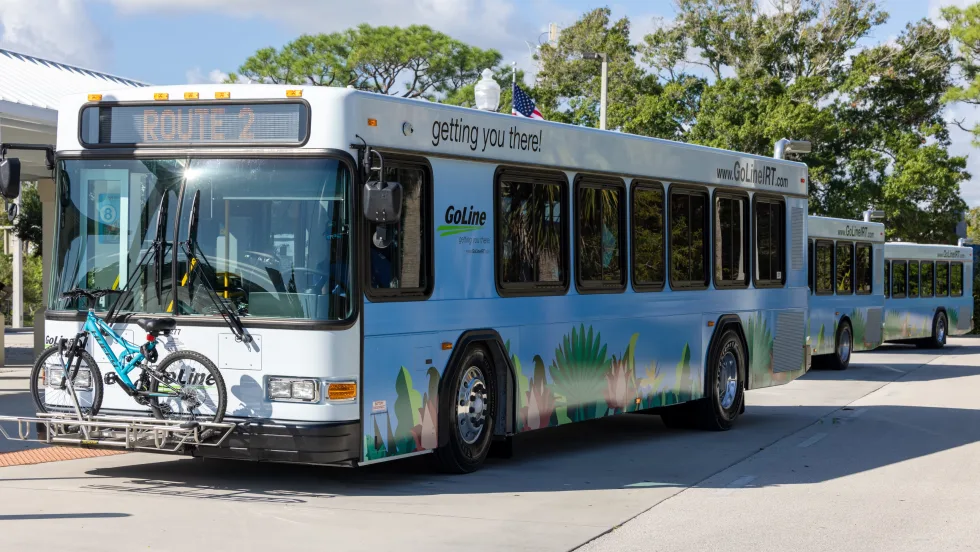
Indian River Transit’s Community-Focused Approach Earns National Recognition
Named APTA’s 2026 Outstanding Public Transportation System in its size category, Florida’s Indian River County transit system continues to grow ridership through fare-free service and a focus on evolving community needs.
Read More →
ENC Lands MATA Contract and More in Biz Briefs
In this edition of Biz Briefs, we spotlight the latest developments shaping the future of mobility.
Read More →

From Surviving to Thriving: Building Stronger Transportation Organizations
Bus Business Consultants founder Brian Dickson shares lessons on leadership, organizational health, and creating options for long-term success in a changing transportation industry.
Read More →
Everett Transit, Community Transit Outline Consolidation Agreement
The proposed agreement calls for a 50% increase in bus service in Everett, a new microtransit zone, continued paratransit service, and the transfer of Everett Transit operations to Community Transit.
Read More →
Strada360’s Steve Lassey on Turning Transit Data Into Better Decisions
From breaking down data silos to preparing for AI, Strada360 CEO Steve Lassey discusses how transit agencies can use technology to improve operations, customer information, and long-term decision-making.
Read More →
People Movement: Phil Washington Joins HNTB, Denver RTD Launches CEO Search, and More
In this edition, we also spotlight recent personnel moves at STV, the Eno Center for Transportation, and more, highlighting the people taking on new roles across the transportation industry.
Read More →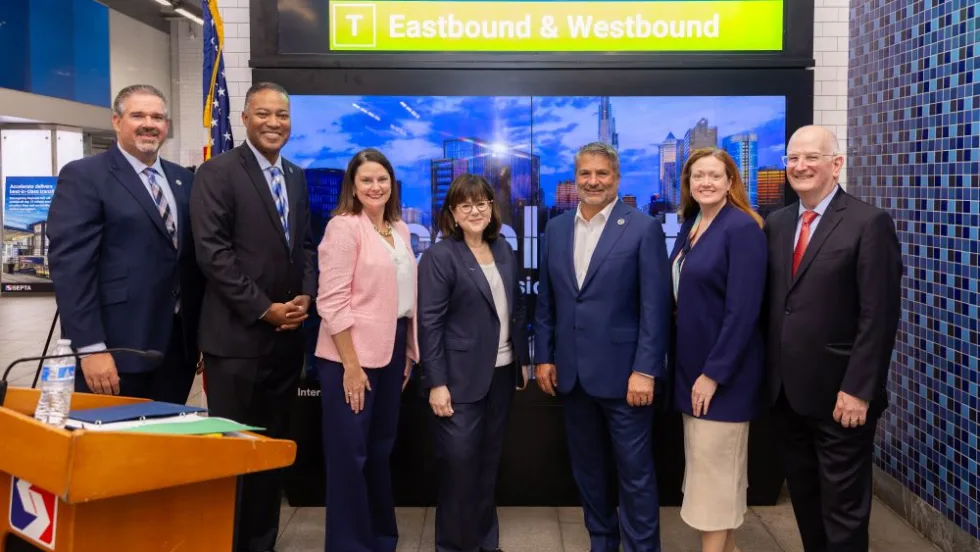
SEPTA Details Accelerate Vision for Transit System
The plan outlines investments in trolley modernization, new Metro and Regional Rail vehicles, accessible stations, and more frequent bus and rail service.
Read More →
FTA Ends Direct Oversight of MBTA Safety Actions
The federal agency closed its remaining special directive to the Massachusetts Department of Public Utilities following a safety review that began in 2022.
Read More →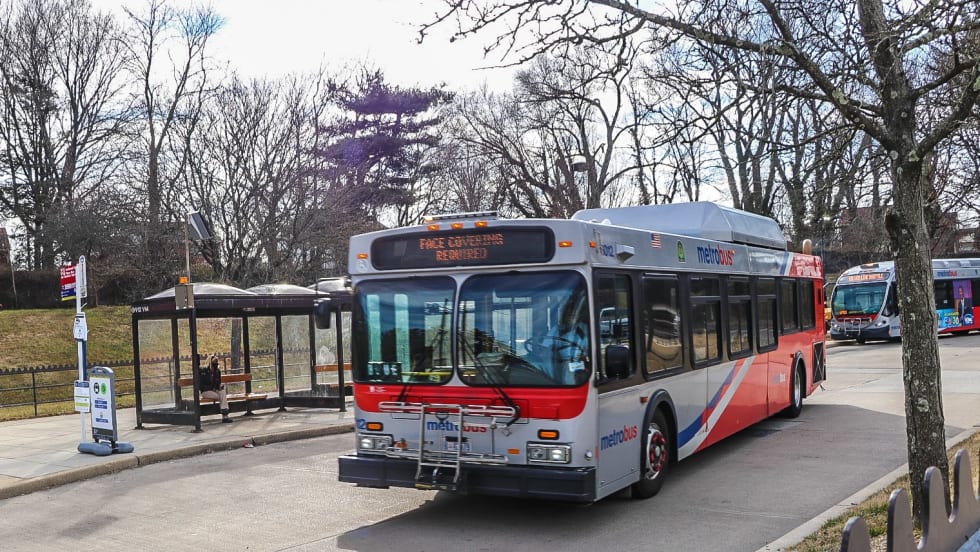
Report: Transit Bus Manufacturing Supports 34,100 Jobs, $5.1B in GDP
The “Buses Mean Business” report examines the transit bus manufacturing industry’s economic footprint, supply chain, and rising demand for vehicle replacements.
Read More →