



Butler County in limbo over transit future
The Butler County (Ohio) Regional Transit Authority (BCRTA) will shut down in January unless county commissioners levy a proposed sales tax and local emergency funding is made available.

The Butler County (Ohio) Regional Transit Authority (BCRTA) will shut down in January unless county commissioners levy a proposed sales tax and local emergency funding is made available. Although the BCRTA, serving a county of 340,000, has only been in operation since 1999, it experienced a tremendous amount of growth early on. Initial operating figures for the fixed-route and dial-a-ride system totaled $100,000, and that number skyrocketed to $6.5 million in 2001. “We don’t have a designated funding source,” said General Manager Amy Terango. “We are a very new transit system.” In the beginning, BCRTA leveraged federal and state funding, as well as local partnerships, including the county. The county opted out in 2001, which led to a financial crisis for BCRTA, said Terango. Hoping to raise the necessary money, the transit board placed an issue on the May 2001 ballot for a one-quarter of 1% sales tax, which it lost. As a result of losing, BCRTA made significant cutbacks, eliminating the countywide dial-a-ride service in addition to laying off 22 employees. After a public outcry, the tax issue was placed on the ballot again in November, but was defeated 48% to 52% . “It was so frustrating because we won in all the areas that had fixed-route service,” said Terango. After the second defeat, Terango sought emergency funds from the county to stay afloat. “If we didn’t receive those, we were going to start to shut down the system,” she said. BCRTA did obtain several commitments from local cities, including $100,000 from Miami University in Hamilton, but is still waiting for a commitment from the city of Fairfield, from which it hopes to receive $85,000. “This money will help us to wait out the results of the vote by the county commissioners on a 0.5% sales tax,” said Terango. If the vote is successful, $1.1 million was earmarked by the commissioners for dial-a-ride service, she said. Terango has tried to educate the commissioners on the value of the fixed-route service, but said the process has been difficult.
More Management

Bus Tech Talk: Keeping Transit Technicians Ahead of the Technology Curve
In this episode of Bus Tech Talk, Complete Coach Works’ Business Development Manager Mark Hollenbeck and METRO’s Executive Editor Alex Roman sit down with Obed Mejia, Senior Technical Trainer for Bus Maintenance, at LA Metro to discuss how rapidly evolving bus technology is changing the maintenance shop — and the skills technicians need to keep pace.
Read More →
Michael Schneider Joins Paslay Group to Expand Transportation Practice
The longtime transportation executive will help Paslay Group grow its advisory and program management work across transit, highway, and other infrastructure sectors.
Read More →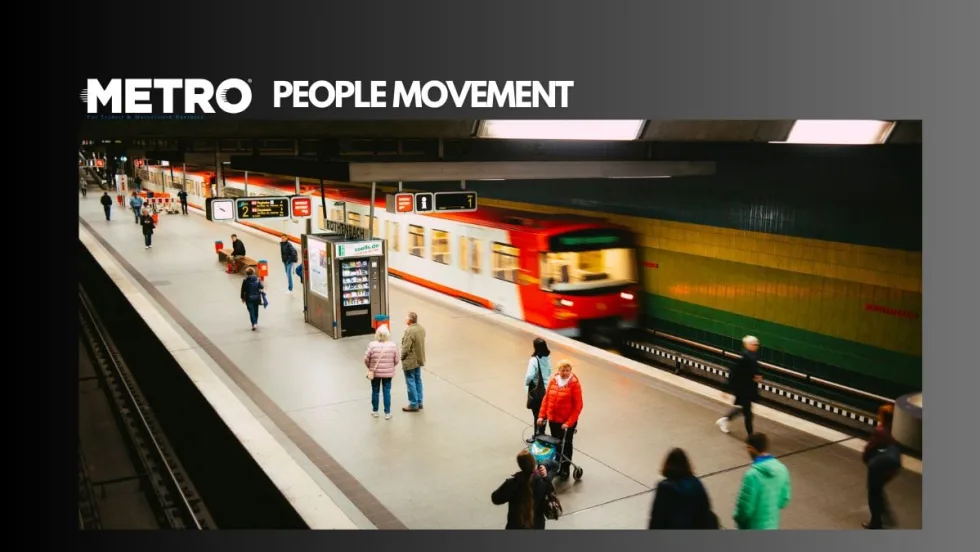
People Movement: Connectpoint Expands Leadership Team, Stadler Names New Group CEO, and More
In this edition, we also spotlight recent personnel moves at Burns, UZURV, and more, highlighting the people taking on new roles across the transportation industry.
Read More →
More Than a Summer Job: Building the Next Generation of Transit Talent
The Delaware River Port Authority and PATCO have transformed their internship program into a hands-on professional development experience that introduces students to the breadth of transportation careers — and creates a pipeline for future employees.
Read More →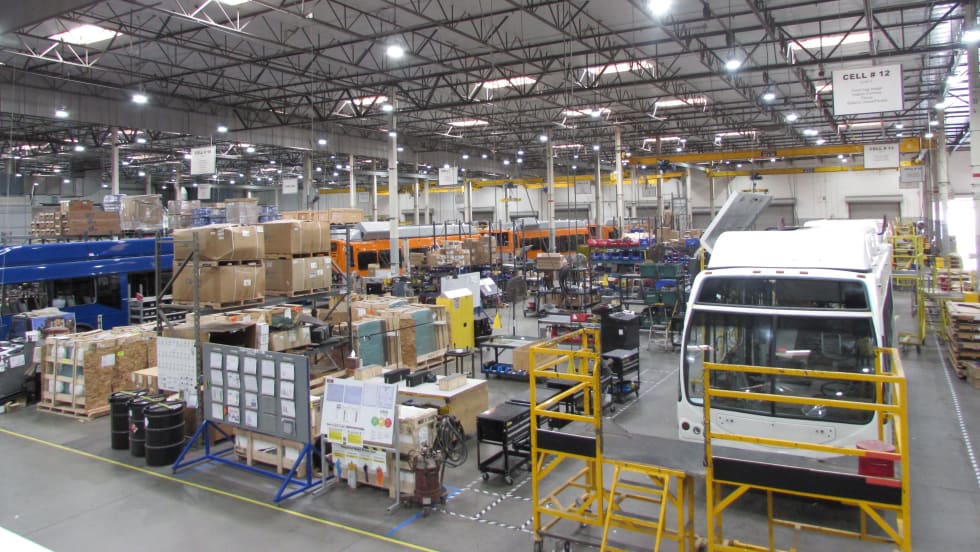
LA Metro Board Awards 220 Battery-Electric Bus Contract to ENC
The contract, which is the largest base award of battery-electric buses by a U.S. transit agency, will be built in Southern California, sustaining good jobs as LA prepares to welcome the world in 2028
Read More →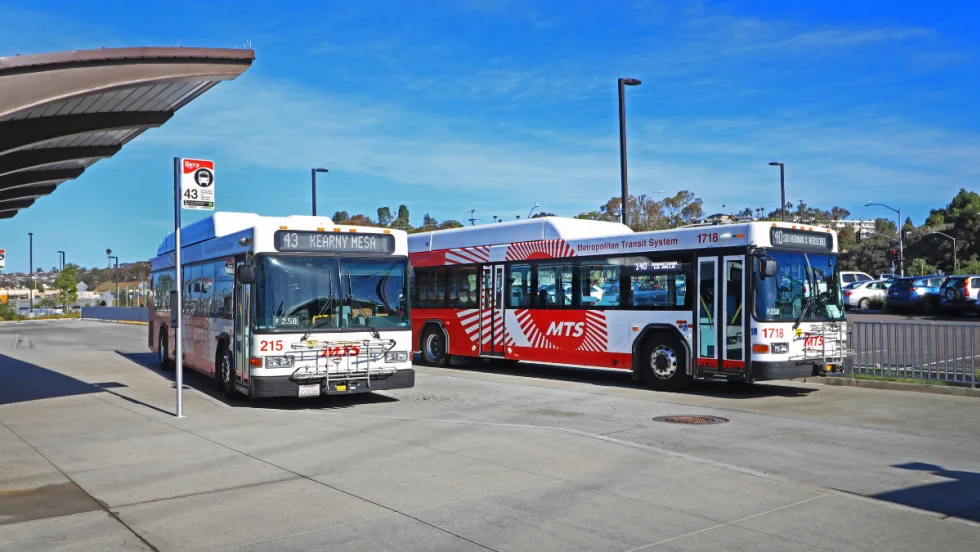
What’s Behind San Diego MTS’s Award-Winning Transit Strategy
Named one of APTA’s 2026 Outstanding Public Transportation Systems with 50 million or more annual passenger trips, California’s San Diego Metropolitan Transit System points to gains in ridership, safety, technology, and reliability as foundations of its success.
Read More →
Public Transit Conference Returning to GFX in 2027, Call for Papers Now Open
The Call for Papers is now open, allowing transit agency professionals and industry experts to help shape the PTC educational program by submitting session ideas for consideration.
Read More →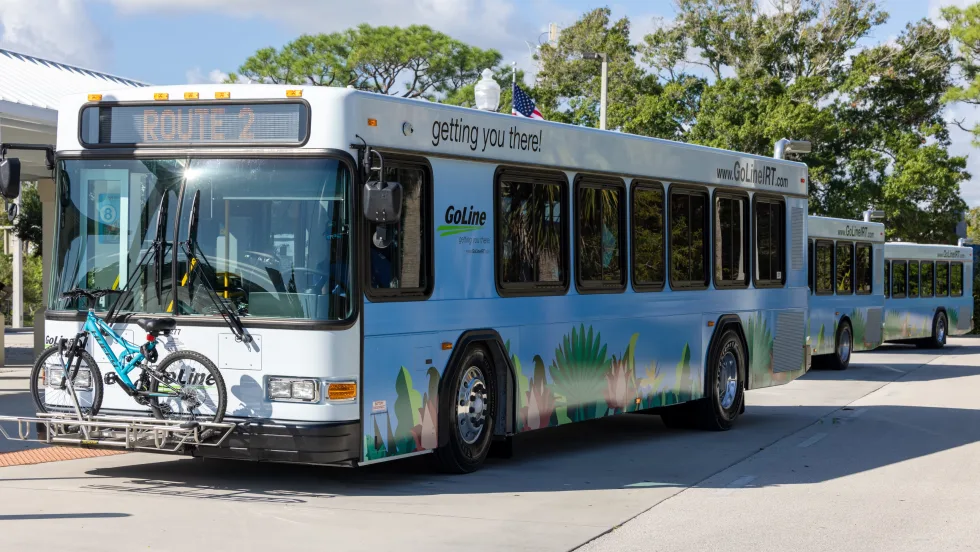
Indian River Transit’s Community-Focused Approach Earns National Recognition
Named APTA’s 2026 Outstanding Public Transportation System in its size category, Florida’s Indian River County transit system continues to grow ridership through fare-free service and a focus on evolving community needs.
Read More →
ENC Lands MATA Contract and More in Biz Briefs
In this edition of Biz Briefs, we spotlight the latest developments shaping the future of mobility.
Read More →From Surviving to Thriving: Building Stronger Transportation Organizations
Bus Business Consultants founder Brian Dickson shares lessons on leadership, organizational health, and creating options for long-term success in a changing transportation industry.
Read More →