



California tram is engineering marvel
The aerial tramway at Palm Springs, Calif., is one of three such in the world, and an engineering marvel.

The aerial tramway at Palm Springs, Calif., is one of three such in the world, and an engineering marvel. It whisks riders from the floor of the Great Sonoran Desert at 2,643 feet to the top at 8,516 feet in about 15 minutes. The ascent then is 5,873 feet in 12,800 feet traveled, hugging the mountain most of the way. Each of two cars of the new tram, which began service last September, holds 80 passengers and an operator. The cars get crowded. I tried counting the large passenger load on the way up, but it was impossible. There were many passengers. Counting is difficult for two reasons: There are no seats and the cars spin so everyone gets a good look out the spacious windows. I got a good look only by smooshing small children out of my way. The big excitement on the way up was when the cable passed near a tower, there was a quick bump and grind and all the passengers yelled “YEEEEE-haw,” which I thought sounded a bit strange for a passenger load that appeared mostly foreign. Must be TV. These are billed as the world’s largest operating tram cars. The Rotair model was manufactured by CWA Construction in Olten, Switzerland. Each car cost $480,000. It is 18 feet in diameter, eight feet high inside and carries 13,000 pounds of passengers or cargo. The car weighs 22,000 pounds. There are one or two rotations per trip. Other Rotairs are in Titlis in Engelberg, Switzerland, and Table Mountain in Cape Town, South Africa. The first tram that ran in Palm Springs was in 1963 and was from Van Roll Tramways of Thun, Switzerland, now Dopplemayr Tramways. The company completed the $7.4 million project which included new cables, five towers and new cabins. Total cost of refurbishing, including additional rock removal, was $12 million. Average gradient for the cars is 26 degrees; maximum is 42. The car has a three-phase regenerative DC SCR. Maximum output of DC hoist motor is 1,100 horsepower (HP) at 1,350 KW. Continuous output is 675 HP at 855 KW. The tallest of the five towers is 228 feet. Maximum span between towers is 3,455 feet. Weight of steel of the five towers is 263 tons. The weight of the 11 cables combined is 330 tons. Horizontal distance between center lines of the cabins when passing is 34 feet, and it does happen very quickly. The ride, $20.25 for adults round trip, was boring. Narration on the way up consisted of more information on height of the towers, which we had seen several times already. Narration on the way down went like this: Narrator Kerry: “Notice those guys working on top of the tower.” Me: “Impressive. What kind of pay do those guys get?” K: “A little more than minimum wage.” M: “Well, can you tell us something about the many climate zones we’re passing through?” K: “We don’t do narration on the way down, but that’s the Sonoran Desert below us.” Well, excuuuuuuuuuuuuuuuuuuse me! The food at the top was okay, and a bit pricey as expected. The slide show was exceptionally dorky. The gift shop was nice. The tram does open up a whole wilder-ness around Mt. San Jacinto, which tops out at 10,804 feet, and where there are great year-round activities. I talked to a gentleman volunteer, 73, in a visitor center and he was telling us about the mountain lion, 85 lbs. or so, he had seen while he was hiking by himself earlier in the week, and the mama bear nosing her cub up a tree the same week. That tale made the trip for me. He should find himself a hiking partner.
— Lenny Levine
More Rail

The Business Voice Behind Public Transportation
As chair of APTA’s Business Members Board of Governors, Ray Melleady explains how more than 850 business members are partnering with transit agencies to advance funding, innovation, and industry-wide collaboration.
Read More →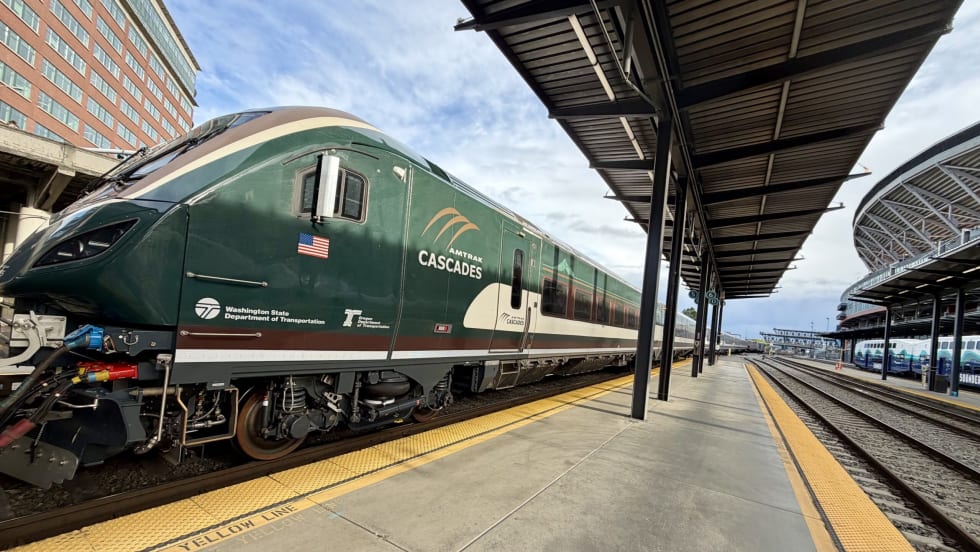
FRA Announces $5.3B in Rail Investments, Including $2B for Amtrak
Funding will support grade-crossing improvements, infrastructure upgrades, and new Amtrak equipment in 23 states.
Read More →
Finding the ‘Happy Medium’: Optimizing Maintenance Without Sacrificing Reliability
The key to maintenance optimization isn’t doing less work—it’s doing the right work at the right time on the right assets.
Read More →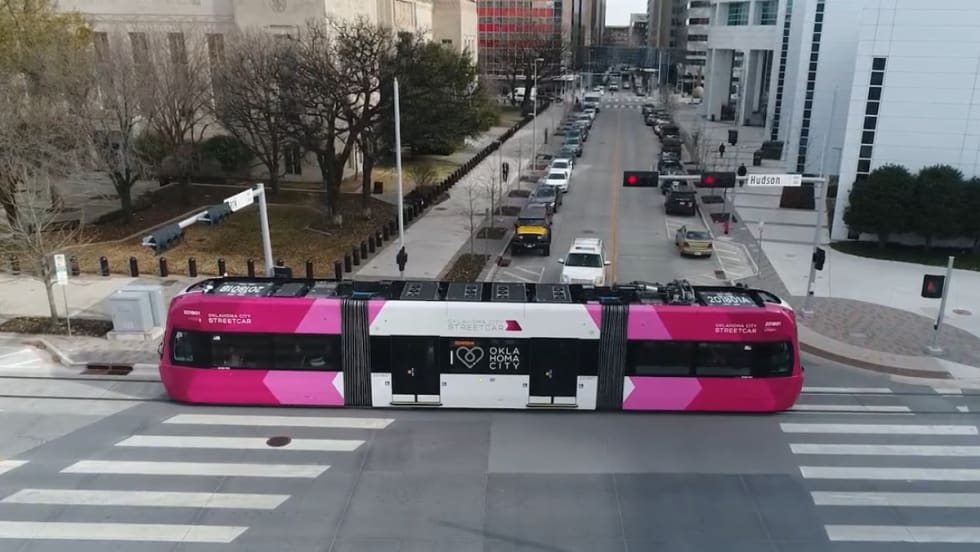
OKC Streetcar Makes Zero-Fare Service Permanent
Ridership increased an average of 71% compared with the same period a year earlier during the fare-free pilot.
Read More →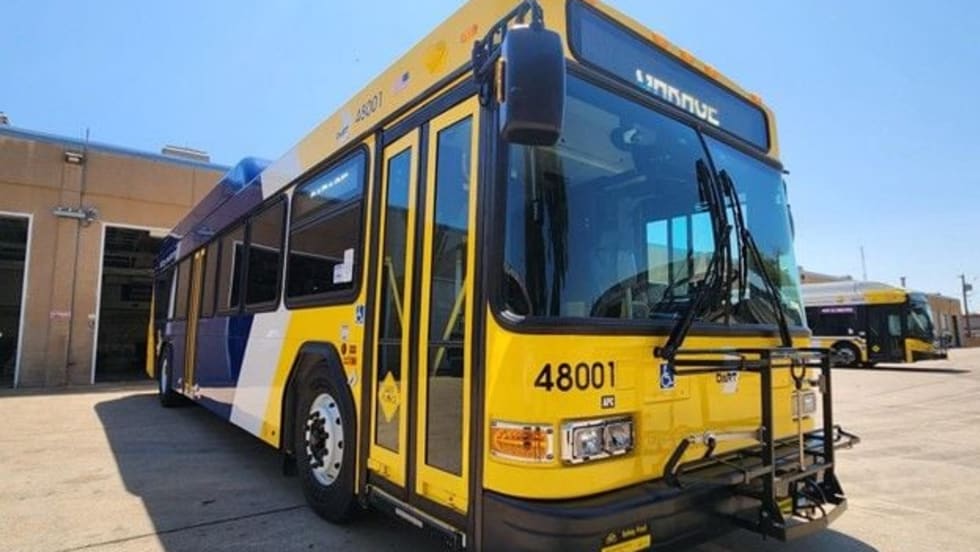
DART Customer Satisfaction Reaches Six-Year High
Overall satisfaction rose to 74.9%, while the agency’s Net Promoter Score reached a record 33.7.
Read More →
How DART's GoPass Is Redefining Regional Mobility
Serving 14 transit agencies, GoPass simplifies multimodal travel by allowing riders to plan, pay for, and manage an entire trip through one app.
Read More →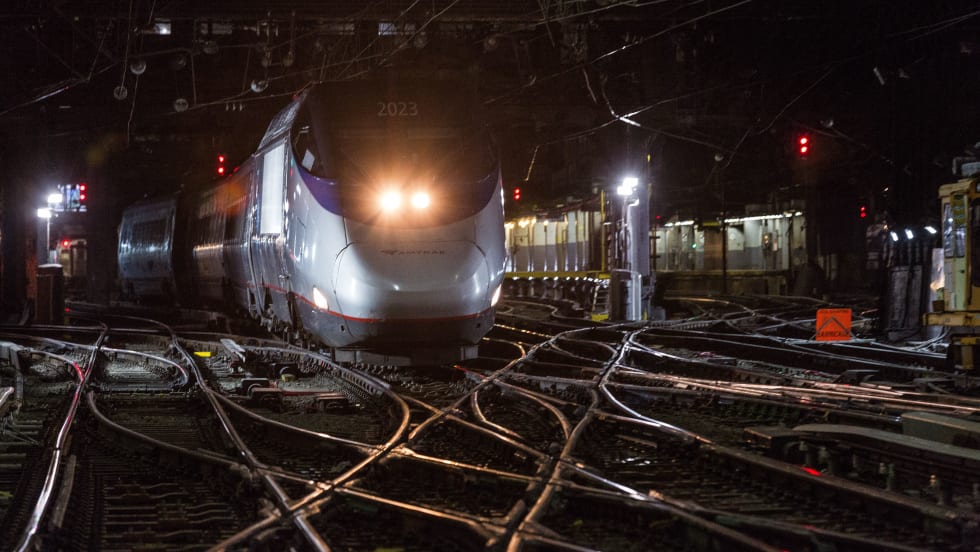
Amtrak Board Advances Plan to Restructure Organization, Seeks Public Input
The proposal, developed by Amtrak management and approved by the board for further consideration, is intended to modernize the organization's structure while improving accountability, operational efficiency, and customer service.
Read More →
Biz Briefs: STV teams with Amtrak, Motorcoach Operators Boost Fleet and Land Contracts, and More
From manufacturers and suppliers to transit agencies and motorcoach operators, these updates offer a snapshot of the projects, partnerships and business moves driving the industry forward.
Read More →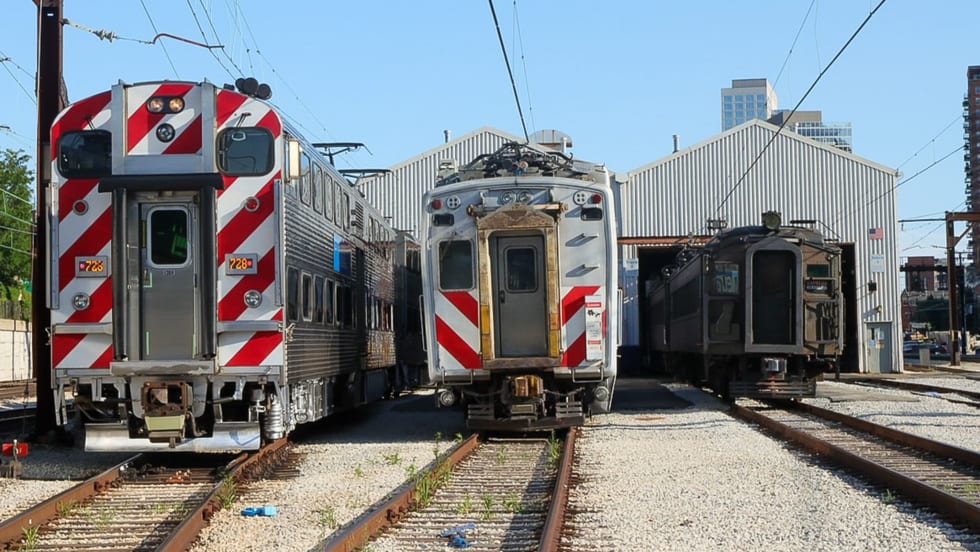
Metra Celebrates 100 Years of Electric Rail, Looks to the Future
The event was also a celebration of recent reforms to public transportation in the Chicago area, changes that could be as transformative in the future as the major civic achievement a century ago, said officials.
Read More →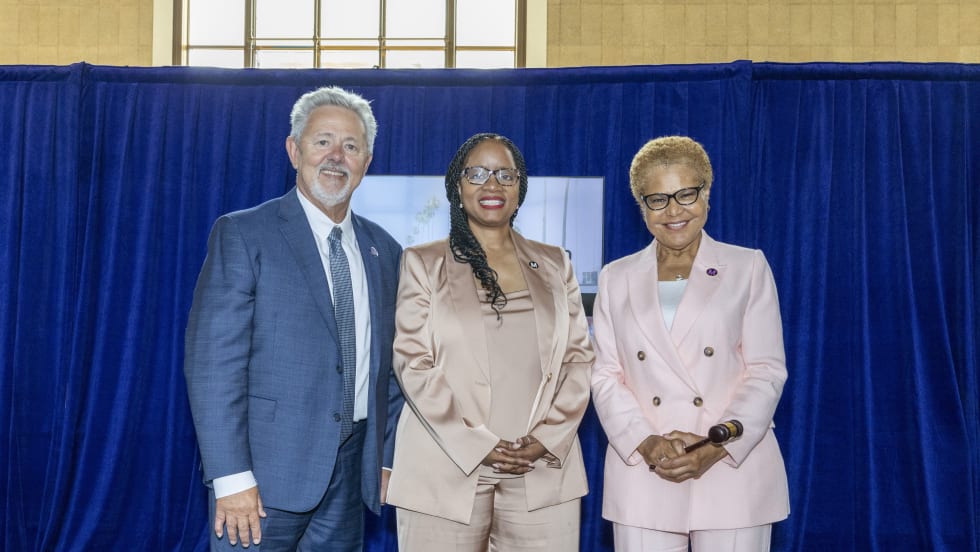
LA Metro Marks Banner Year, Sets Ambitious Goals for New Fiscal Year
Incoming LA Metro Board Chair and Los Angeles Mayor Karen Bass joined outgoing Board Chair Fernando Dutra and LA Metro CEO Stephanie Wiggins to review accomplishments from fiscal year 2026, which included the opening of new rail extensions, advancement of major transit projects, expanded safety programs, and new rider amenities.
Read More →