



Camptown Banks on History to Face the Future
After 50 years in the industry, New Jersey bus operator has come a long way from its modest beginnings of one bus to nearly 100 vehicles.
Camptown Bus Line Inc. celebrated a milestone in 2005 — 50 years of service to the Newark, N.J., area’s traveling public. With such a rich history, the bus operation
doesn’t see any reason it can’t continue. Of course, there are always new challenges to address, but the company’s commitment to hard work and efficiency give it an edge with which to face such hurdles.
Modest beginnings
Like many bus operations, Camptown comes from modest beginnings. Founders Burton Barr and Thomas Zambolla were originally gas station owners, without a thought of starting up a bus operation.
“They did a repair job on a fellow’s bus, and when the bus was completed the fellow didn’t have the money to pay for it,” says Larry Barr, son of Burton Barr and vice president/superintendent of maintenance for Camptown. “The bus was parked in the gas station for a while, and then they finally put a mechanic’s lien on the vehicle and they ended up owning it.”
Not knowing what to do with the vehicle, Barr and Zambolla let it sit in their garage for months until a few people approached them about renting the bus for a trip they were planning. The rest, as they say, is history.
Camptown’s fleet, now owned and operated by the founders’ sons, is composed of 85 school buses, eight motorcoaches (five MCI, three Van Hool) and one minibus. The operation offers daily service to Atlantic City, charters to Mohegan Sun and Foxwoods Casino Resorts in Connecticut, as well as transportation for several community schools. While the company specializes in tour and charter, it makes an effort to offer numerous services to accommodate a variety of clients, including church groups, wedding parties, concertgoers and sports fans, to build a diverse customer base. To enhance these services, Camptown recently added two new Van Hool C2045 coaches to its fleet, equipped with DVD/VHS entertainment systems.
Although it does have a Website, Camtown doesn’t do anything extraordinary to market its services, capitalizing instead on the company’s longstanding history and experience in the industry. “Hopefully, people recognize the fact that we’ve been in business for 50 years and that we know what we’re doing,” says Barr.
Economic challenges
Despite being an industry mainstay, the company is not without its concerns. “Our biggest challenge right now is probably the economy,” Barr says. The operation is feeling the effects of a downturn, especially on its Atlantic City tours and various leisure trips. “Most of the people [on these routes] are retired senior citizens,” he says. “With the economy being the way it is, they’re watching their funds.”
Rising fuel costs are another challenge Camptown must take on. “In this area the state won’t allow for any surcharges or anything like that on your contracts for fuel, so we’re eating the costs,” Barr says. To reverse the damage of these challenges Camptown aims to contain its costs as much as possible.
More Management
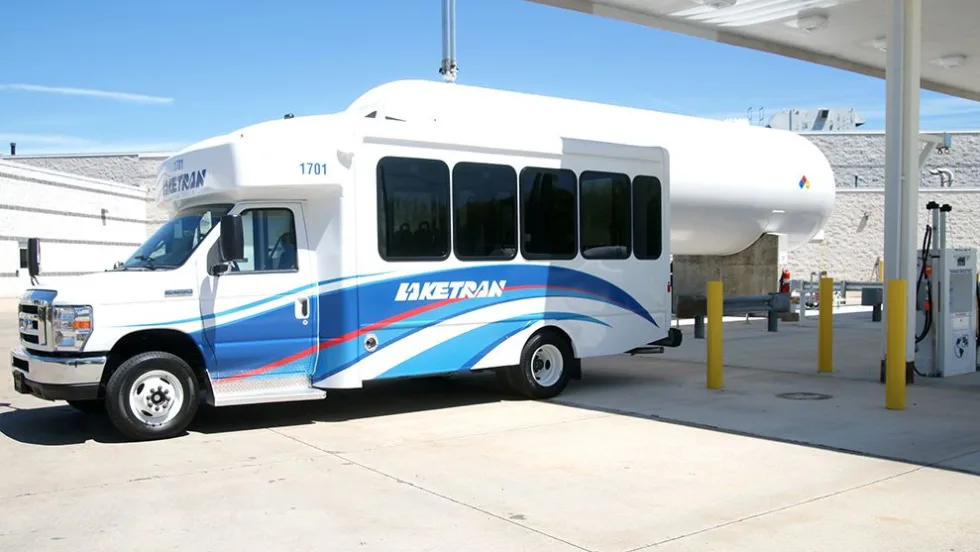
Laketran Cuts Fuel Costs, Boosts Efficiency with Propane-Powered Fleet
The Ohio transit agency is using propane-powered vehicles and on-site fueling infrastructure to cut fuel and maintenance costs while meeting growing demand for paratransit services.
Read More →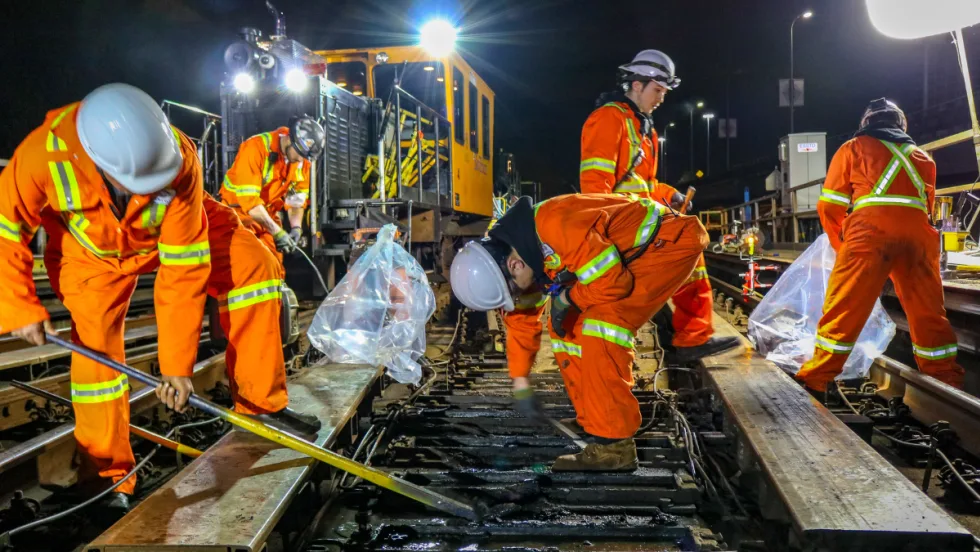
Canada’s Public Transit Supports $65.6 Billion in Annual GDP
New research from the Canadian Chamber of Commerce examines transit's economic contributions, including job creation and the financial implications of transportation investment.
Read More →
Pierce Transit Moves to Expand Fleet Following Proposition 1 Approval
The agency authorized the purchase or refurbishment of up to 60 buses to support a 47% service expansion, as voters nationwide approved billions in new transit funding.
Read More →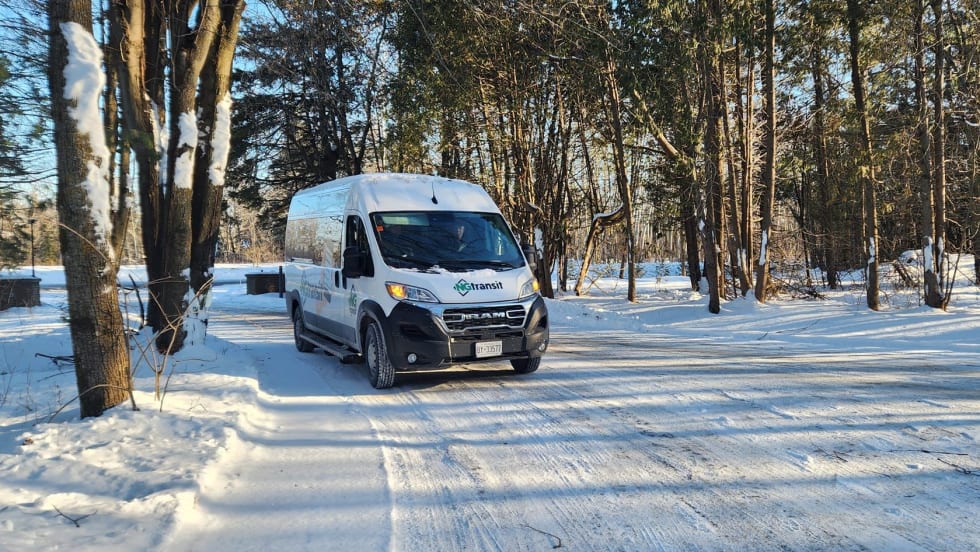
Right-Sizing Rural Transit: Lessons from North Grenville’s On-Demand Model
A small municipality shows how flexible service, rider needs, and public accountability can expand mobility with limited resources.
Read More →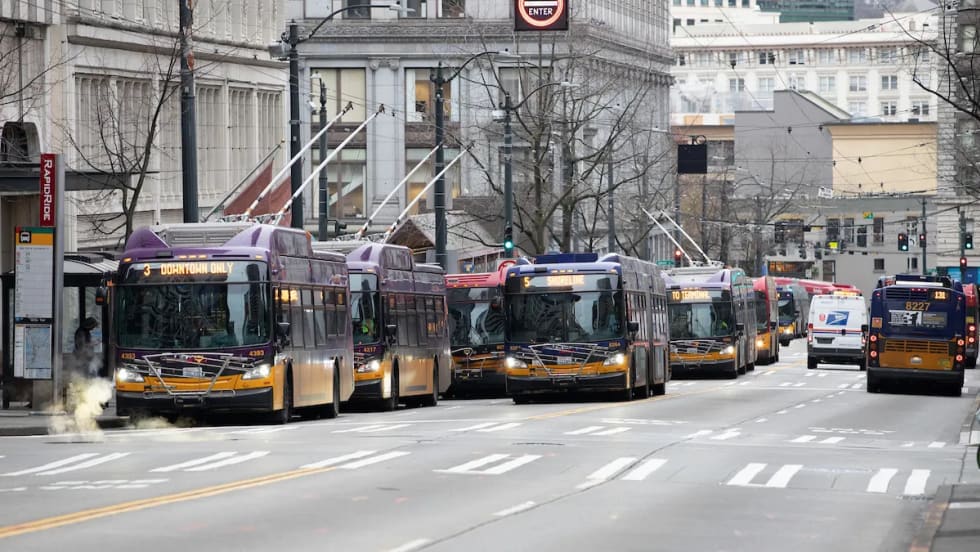
Transit Ballot Victories Signal Strong Voter Support: What Comes Next?
Voters approved billions in public transportation investments in 2026, giving agencies opportunities to preserve service, expand operations, and strengthen regional connections amid a changing political landscape.
Read More →
Transit Expands Agency Partnerships, Reaching 200 Official App Partners
COO Jake Sion discusses Transit’s growth, the success of its Transit Royale program, and how technology is helping agencies improve the rider experience.
Read More →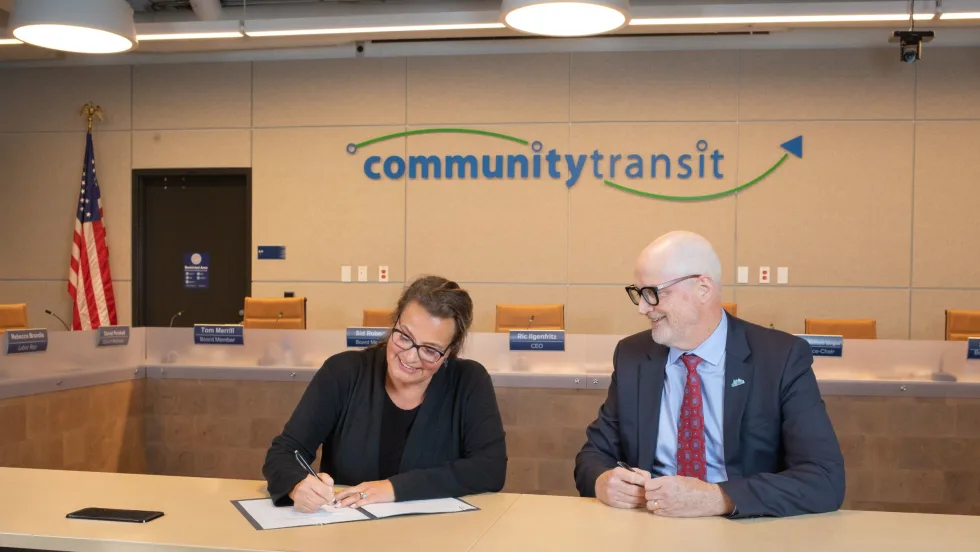
Everett Transit, Community Transit Approve Consolidation of Services
The agreement will bring Everett Transit into Community Transit’s network in April 2027, with plans to increase bus service by 50% by 2031 and expand regional connections.
Read More →
NITA Proposes $5B Operating Budget, $9.7B Capital Program for 2027
The proposed budget includes funding for expanded transit service, safety initiatives, fleet upgrades, and infrastructure improvements across CTA, Metra, and Pace.
Read More →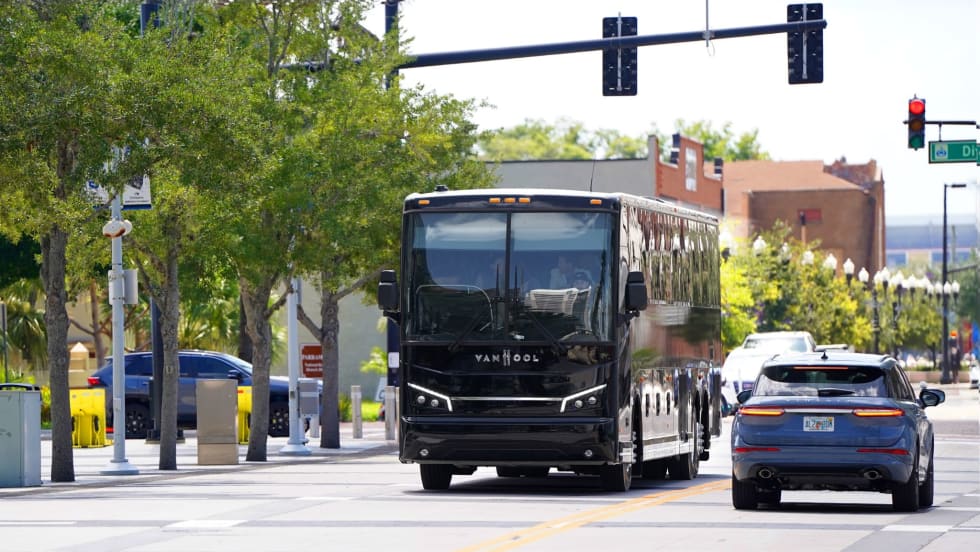
Financing, Fleet Replacement Requires a More Strategic Approach
Executives from ABC Companies and MCI discuss how rising costs, changing market conditions, and post-pandemic challenges are prompting motorcoach operators to rethink financing strategies, fleet replacement cycles, and long-term planning.
Read More →
Bringing Austin’s First Light Rail System to Life
Austin Transit Partnership CEO Greg Canally discusses the city's nearly 10-mile light rail project, its collaborative approach to project delivery, the importance of community engagement, and the milestones ahead as construction approaches in 2027.
Read More →