



Can you hear me now?
The controversy over whether drivers are calling out stops, transfer points and major destinations, as mandated by ADA.
The Americans With Disabilities Act (ADA) requires that fixed-route bus drivers announce transfer points and major intersections and destinations, mainly to help visually impaired and other disabled people get off at the proper stop.
Sounds pretty simple on paper. But the reality is that many bus drivers fail to make these call-outs. And that has caught the attention of the Federal Transit Administration’s (FTA) Office of Civil Rights. The office recently advised transit agencies that a person with a visual, cognitive or other disability must be given paratransit eligibility if there is a systemic problem with call-outs.
How many transit systems have a “systemic problem” with call-outs? Plenty, despite the investment of time, energy and money by many of them to achieve the required standard of compliance.
“When we perform operations reviews at transit systems, this is always an area where improvement is needed,” says Tim Lett, senior vice president
of McDonald Transit Associates. “This issue is far reaching.”
What’s the problem here?
Why can’t they get their drivers to comply? For many reasons, apparently. Resistance to change among veteran operators is one. Some drivers contend they are too busy focusing on safely maneuvering the bus to make announcements. Other operators believe it’s unnecessary to make the call-outs because their passengers already know the stops.
“There are as many reasons as there are bus drivers,” says Mary McCorry, special counsel to New York City Transit (NYCT). McCorry, who gave a presentation on this topic at the 2003 Transportation Research Board’s Legal Conference, says an informal survey conducted by NYCT revealed that only seven of 12 transit agencies tracked compliance with ADA call-out requirements and that compliance rates ranged from below 50% to a high of 90%.
Even the transit systems that equipped buses with automated annunciator systems had a problem. “Some had to then devise procedures for preventing drivers from turning them off,” McCorry says.
What’s clear is that many drivers don’t like to make the announcements — and many passengers don’t care to listen to them, whether they’re made by the operator or an annunciator system. “Operators have told me that passengers find the call-outs annoying,” says Donna Brown, special services manager at the Kansas City (Mo.) Area Transportation Authority. “They’ve even told me that passengers with disabilities don’t like it.”
Is it important that the vast majority of drivers and passengers apparently don’t like the call-outs? Not if you’re looking at the strict ADA requirements.
A reasonable alternative?
McCorry at NYCT says one alternative is to require drivers to make announcements only when requested to do so by a passenger.
Lett, however, believes the solution lies in transit systems making a greater effort to comply. “Until we as managers take this matter seriously and change attitudes among operators, we will see no improvement,” he says.
Dawn Distler, assistant director of customer services at the Metro Regional Transit Authority in Akron, Ohio, says technology in the form of annunciator systems can help to alleviate this problem, but not without funding issues, “once again leaving transit authorities between a rock and a hard place.”
This industry is full of reasonable people trying to make reasonable accommodations for every type of passenger, especially those with disabilities. For some reason, calling out stops has proven to be an overwhelming assignment. That’s unfortunate.
With the FTA taking a closer look at this issue, I think it’s a mistake to allow operators to decide whether they want to make the call-outs. Unless some changes in the compliance standards are made, the industry needs to follow the law, not just to satisfy ADA requirements but also to ensure that passengers are given all the information they need — whether they want it or not.
More Management
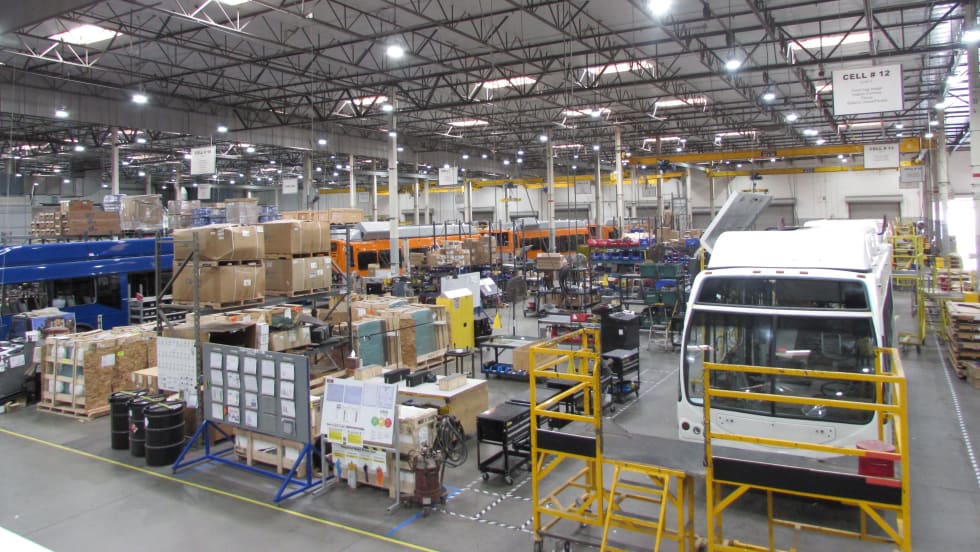
LA Metro Board Awards 220 Battery-Electric Bus Contract to ENC
The contract, which is the largest base award of battery-electric buses by a U.S. transit agency, will be built in Southern California, sustaining good jobs as LA prepares to welcome the world in 2028
Read More →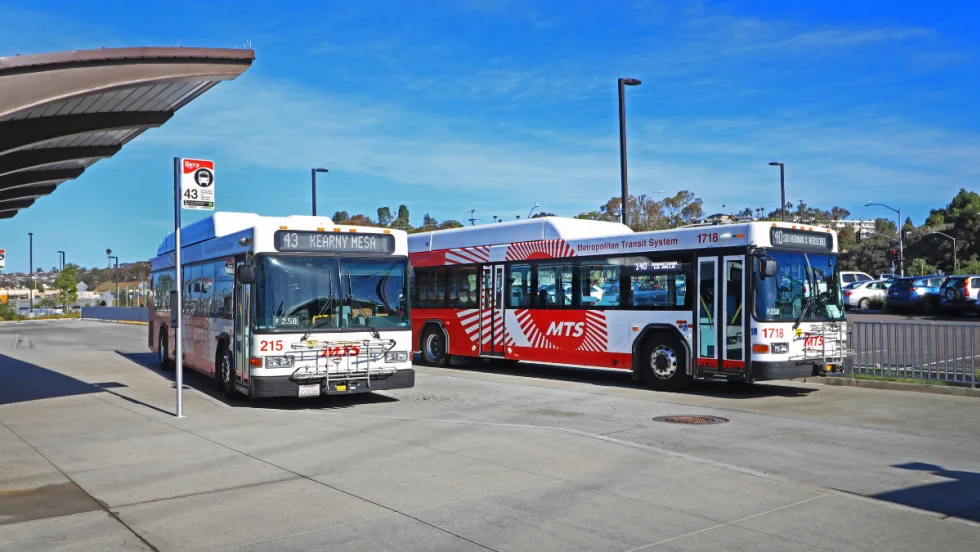
What’s Behind San Diego MTS’s Award-Winning Transit Strategy
Named one of APTA’s 2026 Outstanding Public Transportation Systems with 50 million or more annual passenger trips, California’s San Diego Metropolitan Transit System points to gains in ridership, safety, technology, and reliability as foundations of its success.
Read More →
Public Transit Conference Returning to GFX in 2027, Call for Papers Now Open
The Call for Papers is now open, allowing transit agency professionals and industry experts to help shape the PTC educational program by submitting session ideas for consideration.
Read More →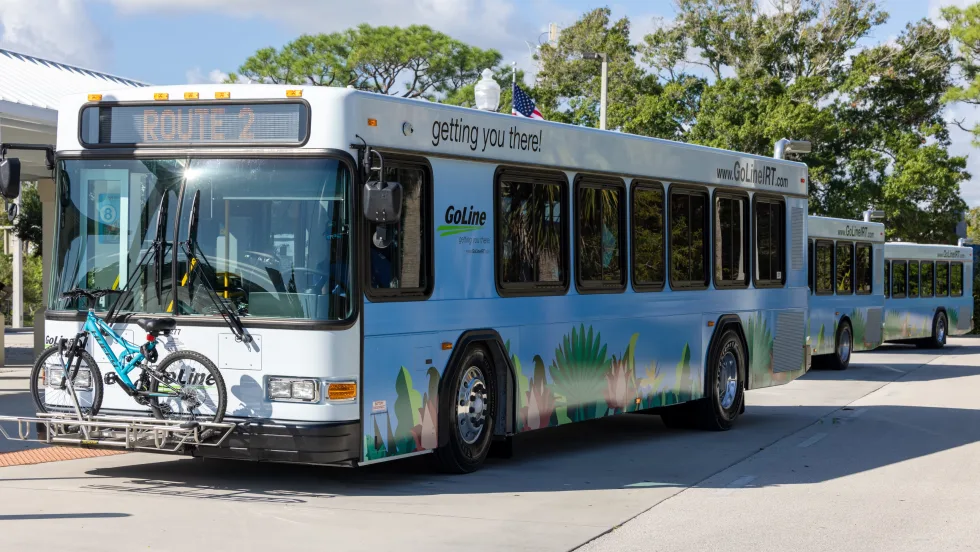
Indian River Transit’s Community-Focused Approach Earns National Recognition
Named APTA’s 2026 Outstanding Public Transportation System in its size category, Florida’s Indian River County transit system continues to grow ridership through fare-free service and a focus on evolving community needs.
Read More →
ENC Lands MATA Contract and More in Biz Briefs
In this edition of Biz Briefs, we spotlight the latest developments shaping the future of mobility.
Read More →
From Surviving to Thriving: Building Stronger Transportation Organizations
Bus Business Consultants founder Brian Dickson shares lessons on leadership, organizational health, and creating options for long-term success in a changing transportation industry.
Read More →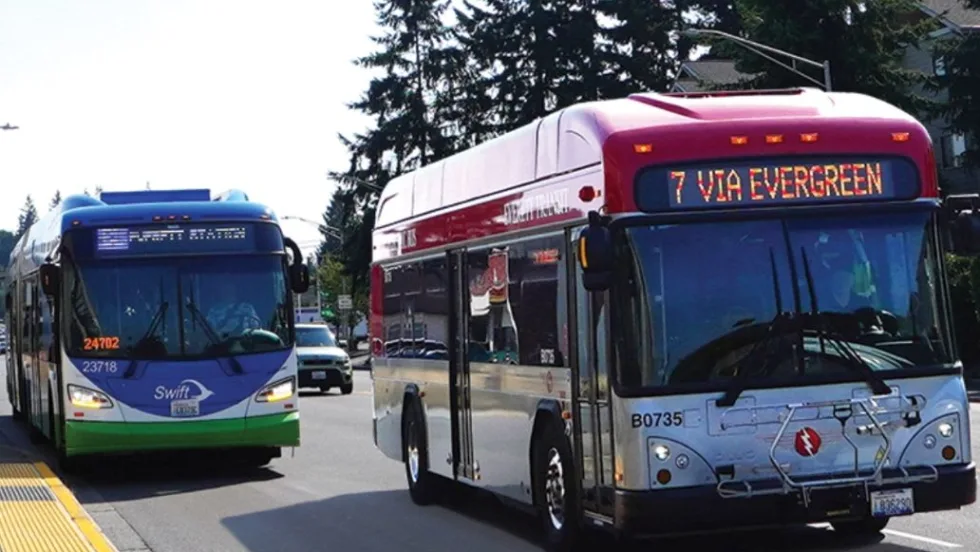
Everett Transit, Community Transit Outline Consolidation Agreement
The proposed agreement calls for a 50% increase in bus service in Everett, a new microtransit zone, continued paratransit service, and the transfer of Everett Transit operations to Community Transit.
Read More →
Strada360’s Steve Lassey on Turning Transit Data Into Better Decisions
From breaking down data silos to preparing for AI, Strada360 CEO Steve Lassey discusses how transit agencies can use technology to improve operations, customer information, and long-term decision-making.
Read More →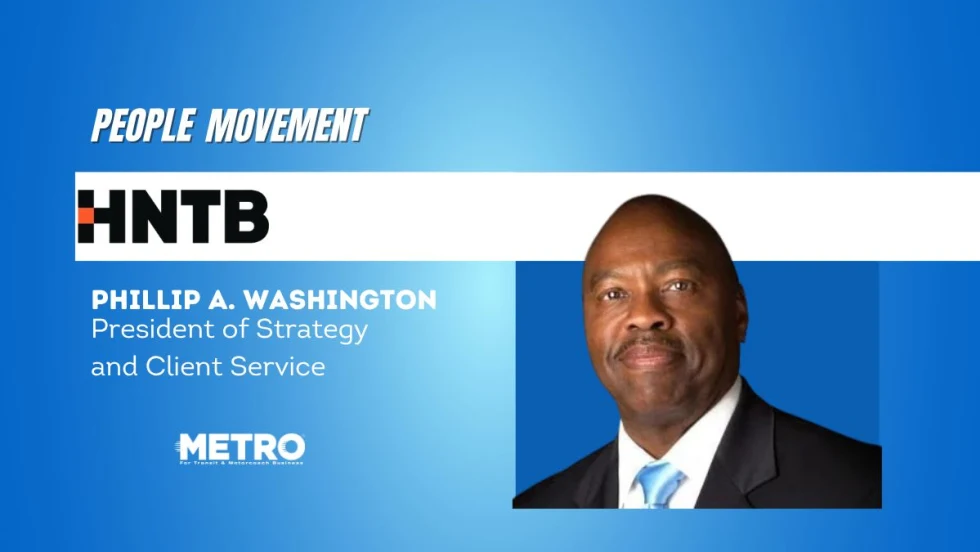
People Movement: Phil Washington Joins HNTB, Denver RTD Launches CEO Search, and More
In this edition, we also spotlight recent personnel moves at STV, the Eno Center for Transportation, and more, highlighting the people taking on new roles across the transportation industry.
Read More →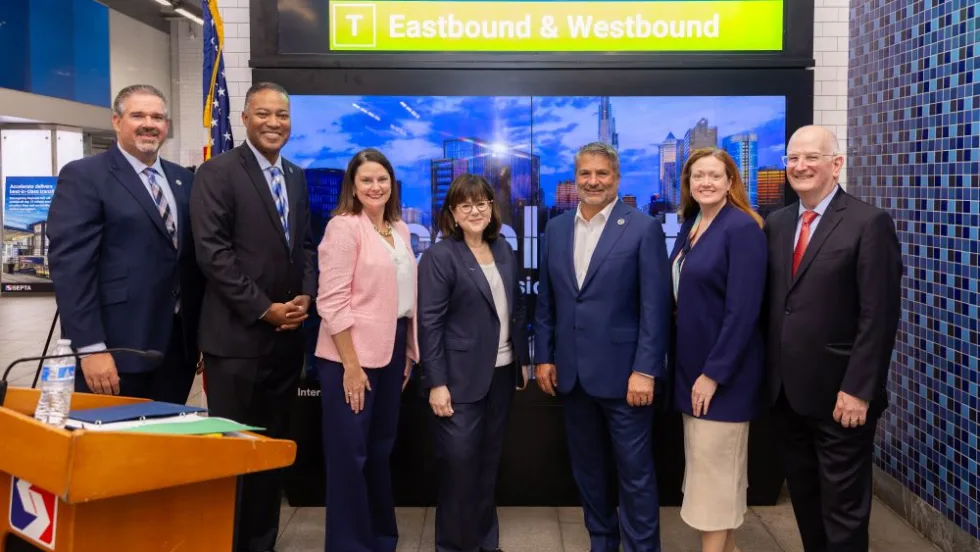
SEPTA Details Accelerate Vision for Transit System
The plan outlines investments in trolley modernization, new Metro and Regional Rail vehicles, accessible stations, and more frequent bus and rail service.
Read More →