



CMAQ brings trolleys to Milwaukee
The Milwaukee County Transit System (MCTS) introduced circulator service along two downtown routes as part of a Congestion Mitigation and Air Quality (CMAQ) grant.

The Milwaukee County Transit System (MCTS) introduced circulator service along two downtown routes as part of a Congestion Mitigation and Air Quality (CMAQ) grant. “The program was initiated as a trial to see if the public would embrace the service to help cut down on traffic congestion and pollution,” said Tom Kujawa, GM of MCTS. The service uses trolleys with six to nine minute headways, operating from 9 a.m. till 10 p.m., and until 1 a.m. on weekends. Fares are 50 cents, and the trolleys accept MCTS passes and transfers. There are also intra-circulator transfers for movement between the two routes. MCTS markets the service to tourists and natives, emphasizing its utility in accessing special events and venues. The Lake and River routes run past several museums and the convention center. “Needless to say, visitors, local residents and members of the Milwaukee business community are all equally pleased with the trolleys,” Kujawa said. He said that the program is sufficiently successful for the property to continue circulator service beyond the duration of the federal grant. MCTS purchased the vehicles from Chance Coach. The less than 30-foot air conditioned trolleys are American Heritage Streetcars and accommodate 28 passengers. CMAQ funding originated in the Intermodal Surface Transportation Equity Act of 1991 as a way for states to apply flexible funds toward transportation projects that reduce pollution. Renewed in the Transportation Equity Act for the 21st Century (TEA-21), CMAQ dollars are available based on a state’s non-attainment status, according to the 1990 Clean Air Act Amendments. The Federal Highway Administration and the Federal Transit Administration administer funding.
More Management
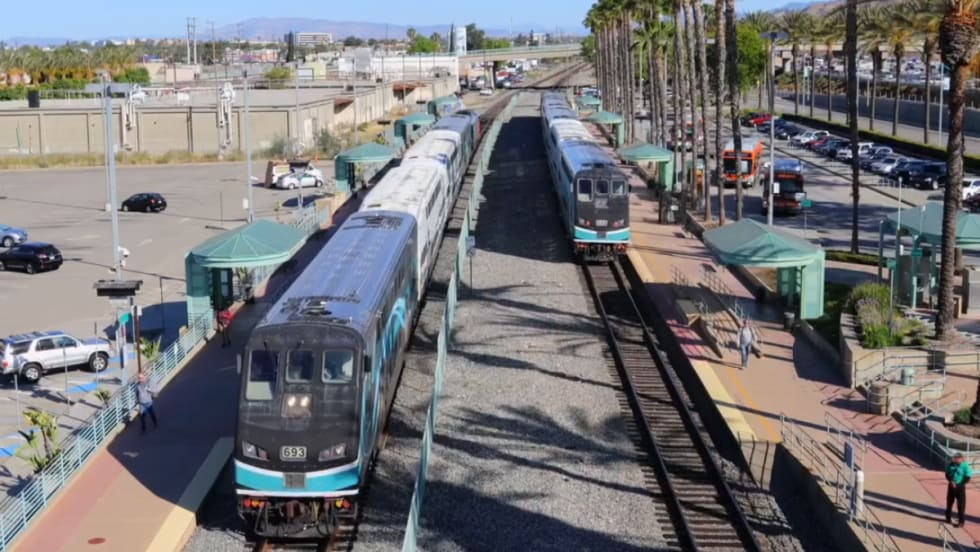
Southern California’s Metrolink Approves $508.8M Budget, Avoids Service Cuts
A $20 million state allocation allows the regional rail agency to maintain existing weekday and weekend service through fiscal year 2028, although longer-term funding challenges remain.
Read More →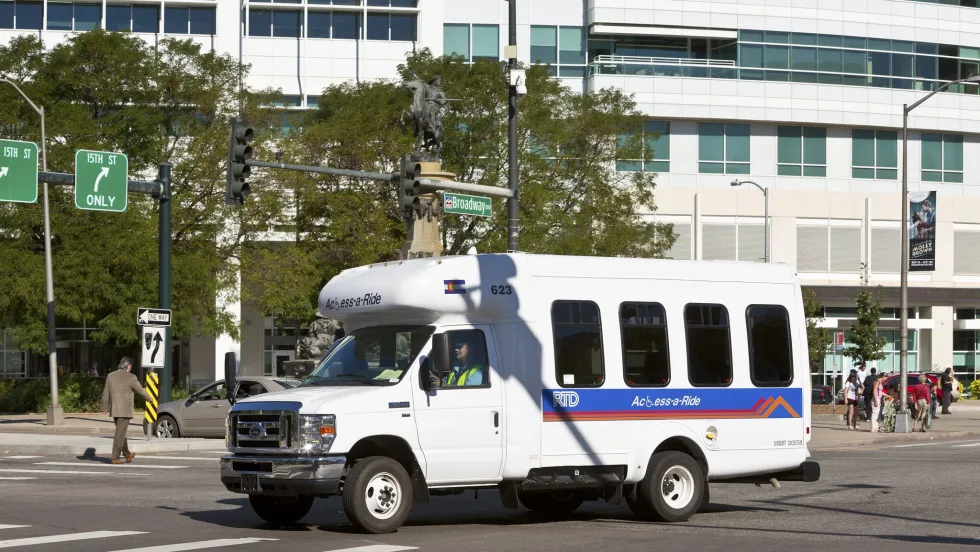
Denver RTD Committee to Review Paratransit Services, Improve Accessibility
The committee will oversee an independent study of paratransit operations, gather customer feedback, and recommend improvements to service reliability, accessibility, and accountability.
Read More →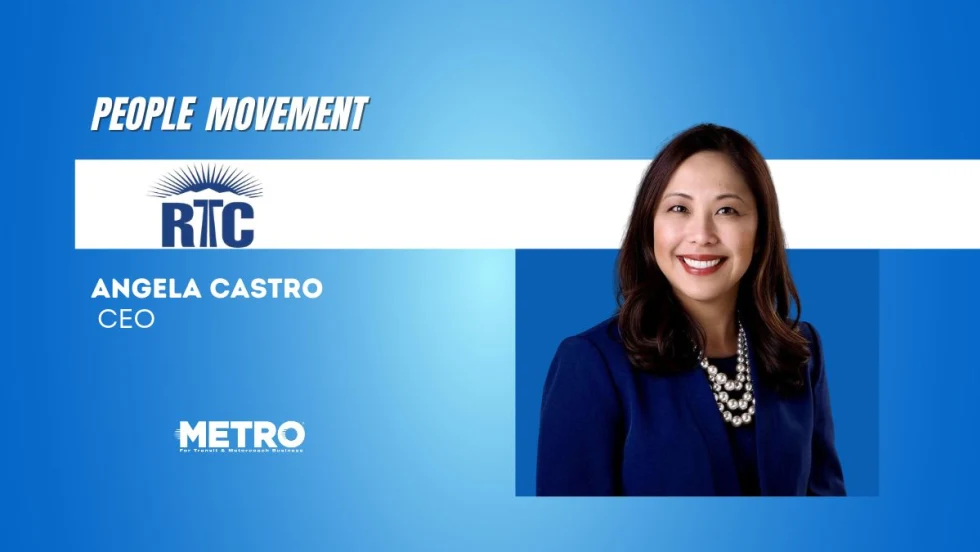
Castro to Lead RTC of Southern Nevada and More in People Movement
In this edition, we also cover recent appointments and announcements at the STV, MCI, and more, showcasing the individuals helping to shape the future of transportation.
Read More →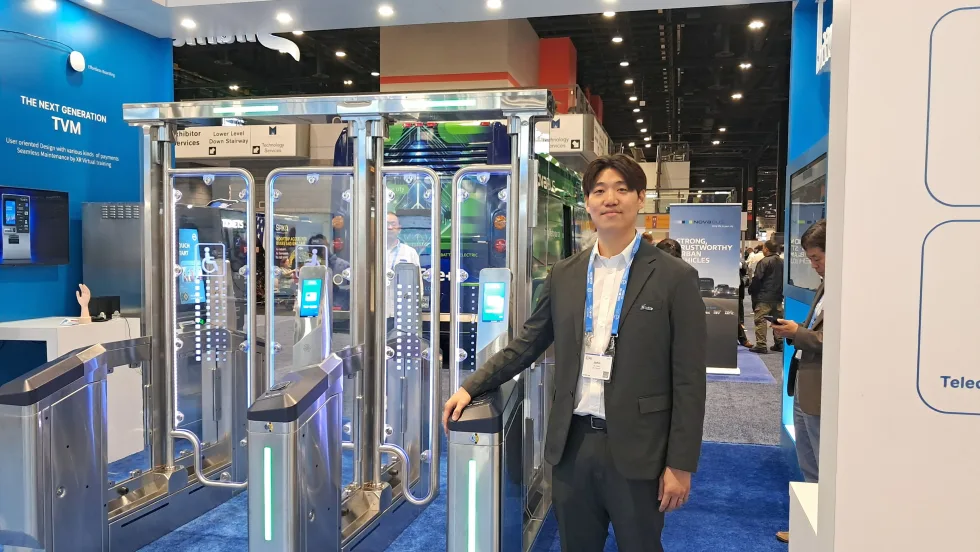
STraffic Expands North American Presence with Fare Collection Technology
John Moon, Associate Director, Product Strategy at STraffic, discusses the company's growth in North America, its efforts to reduce fare evasion, and more.
Read More →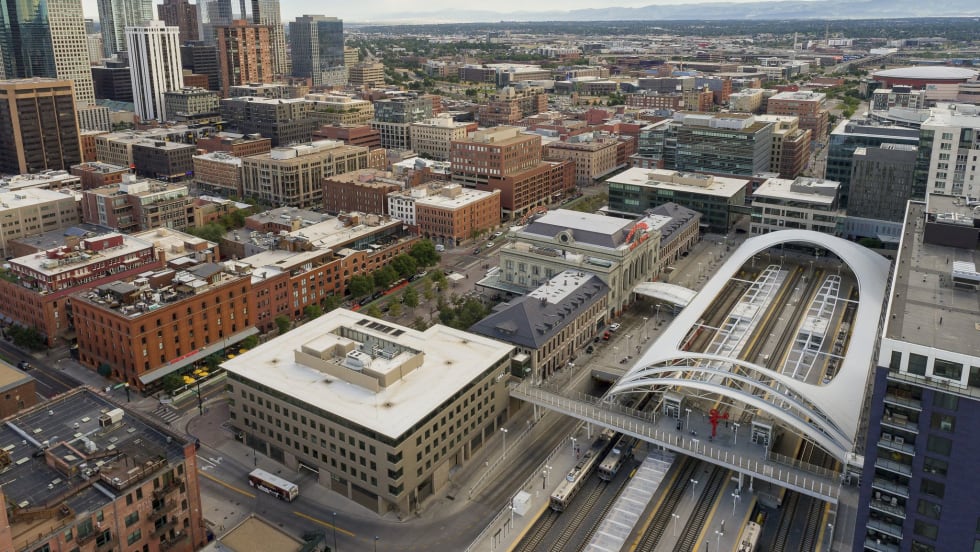
Study: Denver RTD Generates $2.1 Billion in Annual Economic Activity
An economic impact study finds the agency supports approximately 17,500 jobs, delivers $1.6 billion in annual community and mobility benefits, and generates $2.42 in economic value for every dollar invested.
Read More →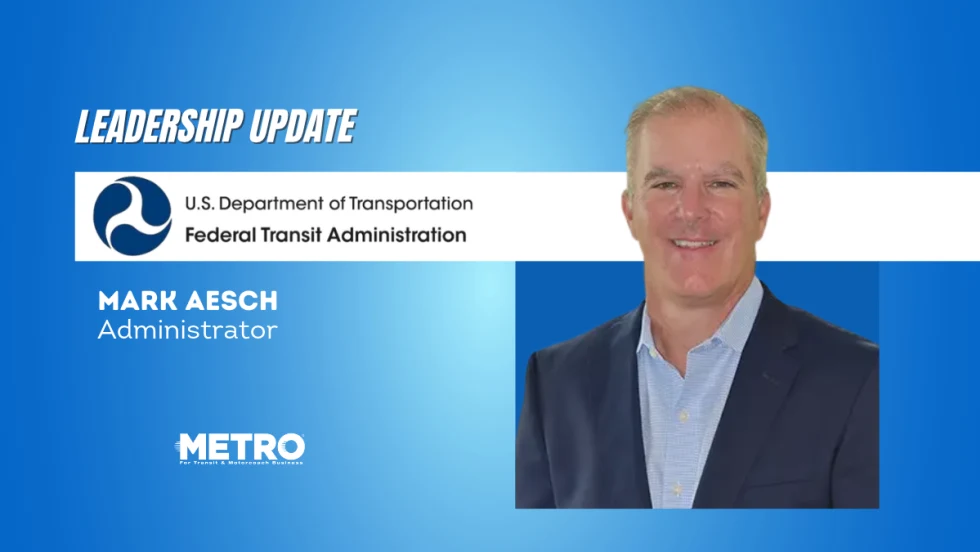
Mark Aesch Nominated to Lead Federal Transit Administration
The former Rochester transit chief and TransPro founder, who has also contributed to METRO Magazine, brings decades of industry experience and a focus on performance, accountability, and financial sustainability to the nomination.
Read More →
Best and Worst U.S. Cities for Public Transportation in 2026
A new analysis of 50 major U.S. urban areas ranks public transit systems based on accessibility, affordability, usefulness, and safety, highlighting where transit performs best and where challenges remain.
Read More →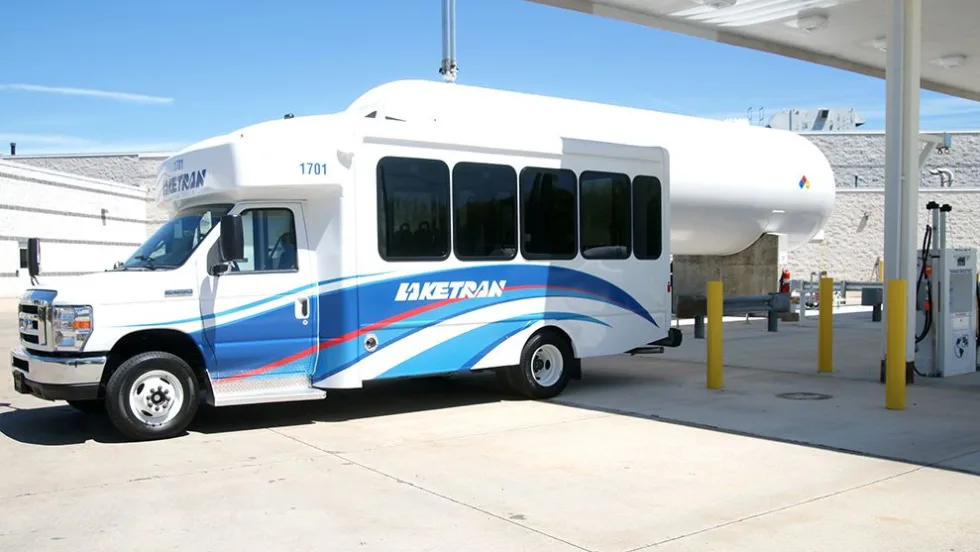
Laketran Cuts Fuel Costs, Boosts Efficiency with Propane-Powered Fleet
The Ohio transit agency is using propane-powered vehicles and on-site fueling infrastructure to cut fuel and maintenance costs while meeting growing demand for paratransit services.
Read More →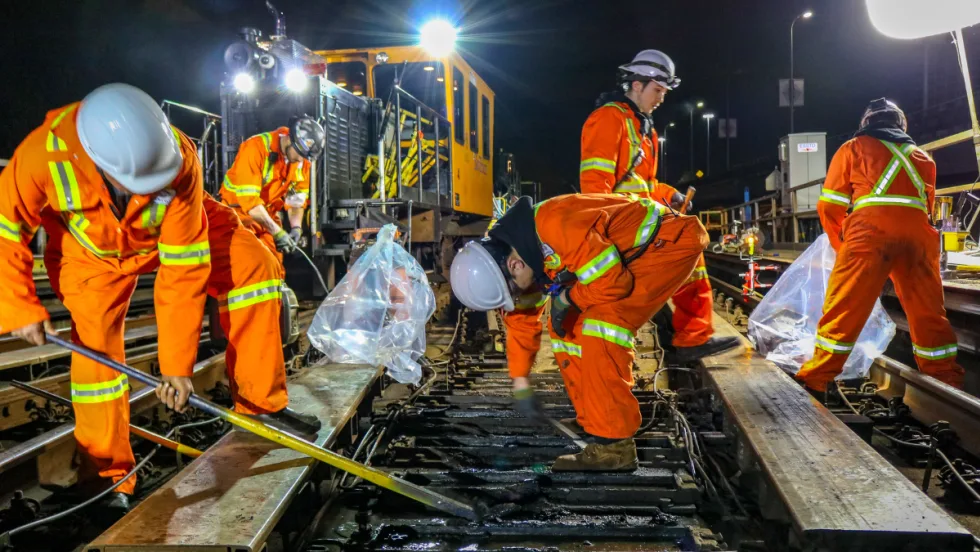
Canada’s Public Transit Supports $65.6 Billion in Annual GDP
New research from the Canadian Chamber of Commerce examines transit's economic contributions, including job creation and the financial implications of transportation investment.
Read More →
Pierce Transit Moves to Expand Fleet Following Proposition 1 Approval
The agency authorized the purchase or refurbishment of up to 60 buses to support a 47% service expansion, as voters nationwide approved billions in new transit funding.
Read More →