



Consultant Project Profile: Parsons Brinckerhoff
SunRail Commuter Rail
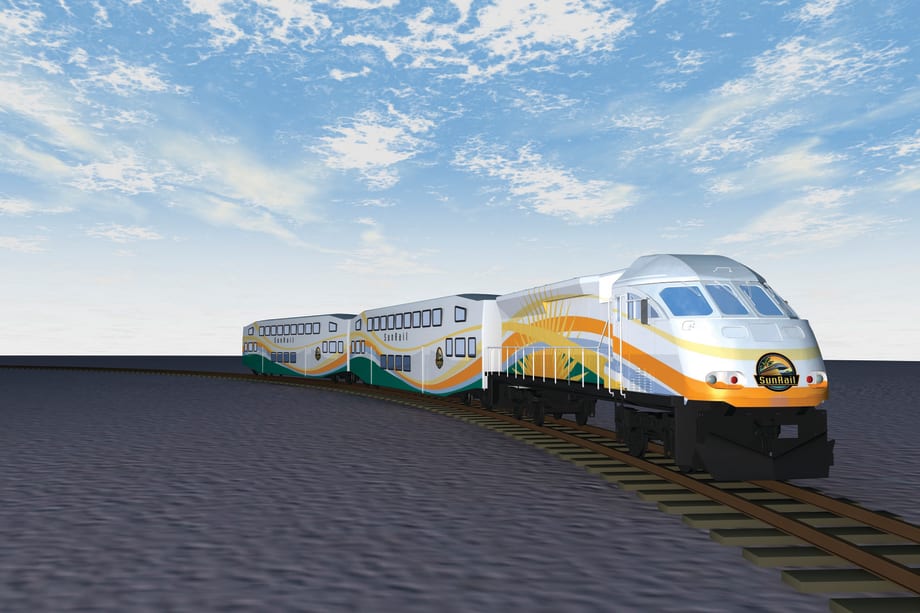
Traffic congestion is a growing concern for those who live, work and visit Central Florida. That’s why the Florida Department of Transportation (FDOT), in cooperation with the federal government and local officials in Orange, Seminole, Volusia and Osceola counties and the city of Orlando, is advancing SunRail, a commuter rail transit project that will run along a 61-mile stretch of existing freight rail tracks in the four-county area.
The 32-mile first phase of SunRail, serving 12 stations and linking DeBary to Orlando, will be operational by 2014. This segment includes stations in DeBary, Sanford, Lake Mary, Longwood, Altamonte Springs, Maitland, Winter Park, Florida Hospital, LYNX Central Station, Church Street, Orlando Health/Amtrak, and Sand Lake Road. By 2016, extended service is planned for stations at Meadow Woods, Osceola Parkway, Kissimmee Amtrak and Poinciana Industrial Park, as well as a new northern terminus at the DeLand Amtrak station.
Parsons Brinckerhoff is providing program management services to FDOT in support of the SunRail development, including a senior manager serving as SunRail’s chief operating officer throughout the development process. The firm is also responsible for all safety and security planning and design services.
When fully operational, SunRail is expected to carry as many passengers as one lane of the I-4 expressway during peak travel periods. FTA projections show opening day ridership for the 31-mile initial operating segment at approximately 4,300 passenger trips per day, escalating to 7,400 trips by 2030.
The cost for Phase 1 and 2 of SunRail is approximately $615 million in year-of-expenditure dollars. Of that, it is expected that the federal government will pay 50%, the state 25% and local governments in the four counties apportioning the remaining 25%. Once open, Sun-Rail will receive an allocation of federal funds each year. FDOT is picking up the remaining O&M costs that are not covered by revenues for the first seven years. After that, local governments will be responsible for O&M expenditures.
Aside from increasing mobility in the greater Orlando area, the SunRail system is intended to establish the spine of a regional rail network that can be expanded to serve other areas of the state. It is also expected to encourage and stimulate transit-oriented development around station areas, with the potential for billions of dollars in additional economic benefit to local communities.
More Rail

New York MTA Advances Final Contract for Second Avenue Subway Expansion
Contract Four is the largest in the Second Avenue Subway Phase 2 project and includes construction of station infrastructure, tracks, and signals for the subway expansion, MTA officials said. Work on Contract Four will begin in 2027.
Read More →
San Diego MTS Breaks Monthly Trolley Ridership Record
Agency officials said July’s ridership indicates MTS’s continued recovery from the pandemic.
Read More →
Report Examines NJ TRANSIT Reliability, Funding Challenges
The Garden State Initiative analysis examines the roles of Amtrak infrastructure, fleet management, and agency operations while recommending a more performance-based approach to improving reliability.
Read More →
Stadler, CapMetro Sign Long-Term Rail Fleet Support Agreement
Beginning in 2027, Stadler will provide on-site technical expertise, spare parts support, training, and obsolescence management to help extend the reliability and longevity of CapMetro’s GTW fleet.
Read More →
Biz Briefs: Alstom Lands Canadian Contract, LYT to Supply California TSP, and More
In METRO's latest installment, we take a look at recent news from Complete Coach Works, Beep, FlixBus, and more partnerships making headlines across the transportation sector.
Read More →
CATS Gold Line Marks 5 Years of Service, 2.8M Passenger Trips
With a six-mile expansion planned, the Charlotte streetcar is positioned to connect more neighborhoods and major transit hubs across the region.
Read More →
Why Simulating Pedestrian Movement Has Become Essential for Modern Rail Stations
Pedestrian microsimulation is helping rail planners identify bottlenecks, test station designs, and prepare complex transit hubs for growing passenger volumes.
Read More →
Amtrak Begins Major Construction at New York’s Sunnyside Yard
The new maintenance facility will support Amtrak’s Airo trainsets while improving maintenance efficiency and turnaround times in New York.
Read More →
Chicago Leaders Unveil Plans for O’Hare Airport Express Train
The privately developed project would offer a 15-minute trip between downtown and O’Hare’s Terminal 2, with trains operating every 15 minutes on a dedicated track. The service would use battery-electric trains and three existing freight rail rights-of-way.
Read More →
OCTA Maps Out 30-Year Strategy to Protect Coastal Rail Corridor
The draft feasibility report identifies strategies to protect the coastal rail line for decades as the agency continues near-term stabilization and sand placement efforts.
Read More →