



CT Transit's new power source
Agency wins awards for for dedication to clean, alternative energy production.

Connecticut Transit’s (CT) solar electricity generation system was recently recognized for improving the quality and effectiveness of the agency. The Connecticut Quality Improvement Award Partnership Inc. (CQIA), an advocacy group dedicated to improving the state’s economic vitality, gave its Silver Innovation Prize to CT based on the use of a photovoltaic array located on the roof of one of the agency’s bus garages. The system has been in operation for more than a year and can produce up to 23,100 watts of clean electricity to boost the facility’s overall output. The array needed no maintenance or repairs through its first full year, and provided energy every month, peaking in April 2004. The system releases no emissions, reducing the output of carbon dioxide, sulfur monoxide and nitrous oxide — all commonly produced with traditional electricity generation. Funded by the Connecticut Clean Energy Fund and the Connecticut Department of Transportation, it’s the largest system of its kind in the state. “We are honored that the CQIA recognizes the project’s success,” said CT General Manager David Lee. “Our data proves that even in New England the system generates enough energy to help reduce emissions and supplement traditional sources of electricity.” The CQIA also honored CT for its operation of two hybrid diesel-electric transit buses manufactured by New Flyer. Since June 2003, the hybrid buses have averaged 10% better fuel economy than their peer diesel buses and 35% better than CT’s overall fleet average.
More Management

ENC Lands MATA Contract and More in Biz Briefs
In this edition of Biz Briefs, we spotlight the latest developments shaping the future of mobility.
Read More →
From Surviving to Thriving: Building Stronger Transportation Organizations
Bus Business Consultants founder Brian Dickson shares lessons on leadership, organizational health, and creating options for long-term success in a changing transportation industry.
Read More →
Everett Transit, Community Transit Outline Consolidation Agreement
The proposed agreement calls for a 50% increase in bus service in Everett, a new microtransit zone, continued paratransit service, and the transfer of Everett Transit operations to Community Transit.
Read More →

Strada360’s Steve Lassey on Turning Transit Data Into Better Decisions
From breaking down data silos to preparing for AI, Strada360 CEO Steve Lassey discusses how transit agencies can use technology to improve operations, customer information, and long-term decision-making.
Read More →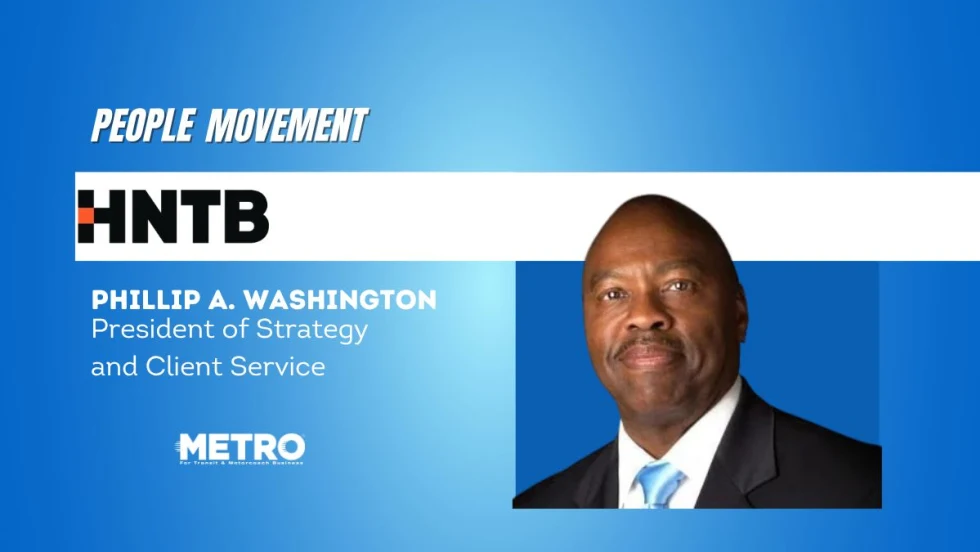
People Movement: Phil Washington Joins HNTB, Denver RTD Launches CEO Search, and More
In this edition, we also spotlight recent personnel moves at STV, the Eno Center for Transportation, and more, highlighting the people taking on new roles across the transportation industry.
Read More →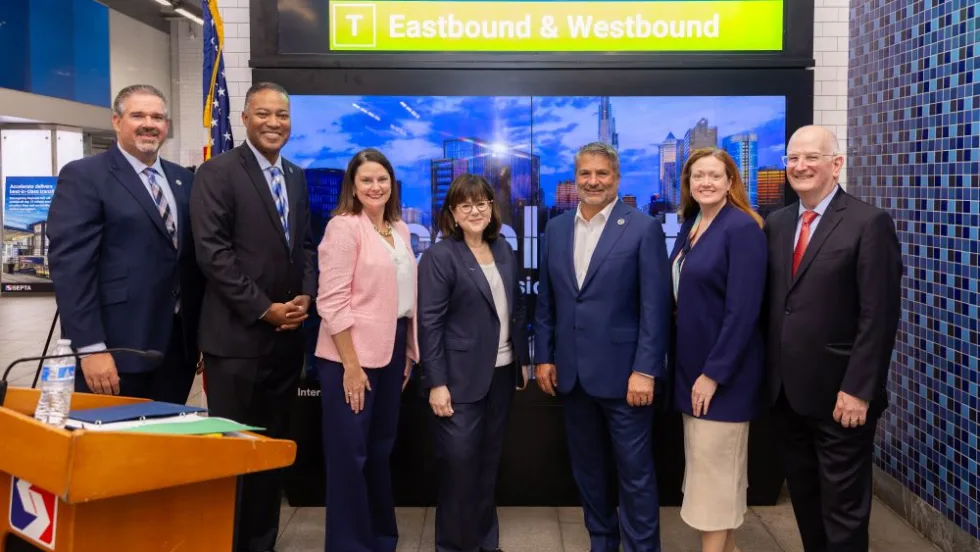
SEPTA Details Accelerate Vision for Transit System
The plan outlines investments in trolley modernization, new Metro and Regional Rail vehicles, accessible stations, and more frequent bus and rail service.
Read More →
FTA Ends Direct Oversight of MBTA Safety Actions
The federal agency closed its remaining special directive to the Massachusetts Department of Public Utilities following a safety review that began in 2022.
Read More →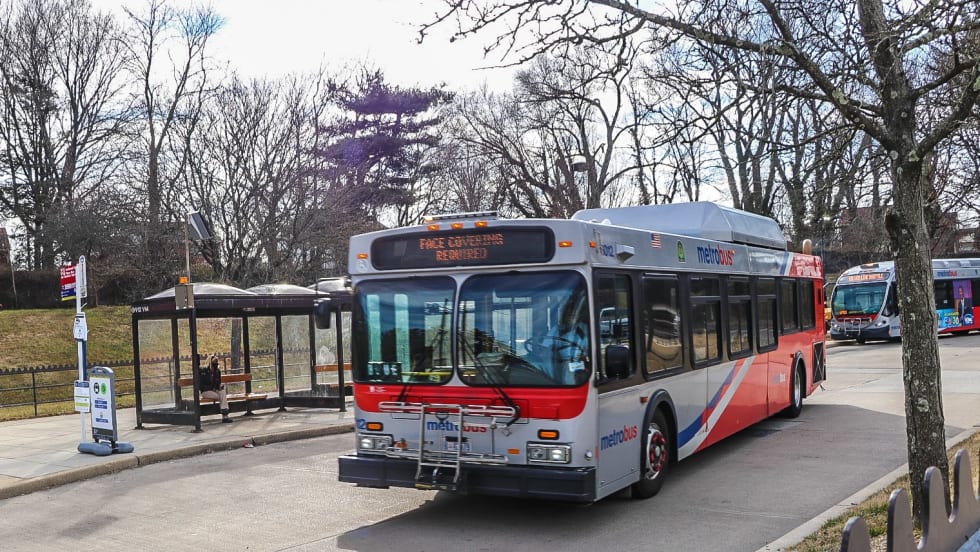
Report: Transit Bus Manufacturing Supports 34,100 Jobs, $5.1B in GDP
The “Buses Mean Business” report examines the transit bus manufacturing industry’s economic footprint, supply chain, and rising demand for vehicle replacements.
Read More →
LIT Marks 10-Year Milestone at Annual Summit
Hosted by the COTA from September 10 to 13, the Summit carried the theme “Celebrating 10 Years of Excellence, Leadership, and Impact,” with every part of the program honoring the people, agencies, and partners who built LIT over its first decade.
Read More →
People Movement: Dan Dipert Coaches Adds Third-Generation Leader, Keolis Names New Valley Metro VP/GM, and More
In this edition, we also cover recent appointments and announcements at the Wabtec, SilverRide, HNTB, and more, showcasing the individuals helping to shape the future of transportation.
Read More →