



CTTransit tests hybrid-electric buses
CTTransit is hoping to identify the next generation of transit vehicles through its testing of diesel-electric hybrid buses.

CTTransit is hoping to identify the next generation of transit vehicles through its testing of diesel-electric hybrid buses. Emissions and operations data will be collected over a two-year period to compare the performance of hybrid and standard diesel buses. The transit agency, headquartered in Hartford, Conn., began testing two hybrid buses and two standard buses on July 1. The four vehicles are all the same make and model, eliminating other factors that could affect the test results. The buses are 40-foot low-floor models manufactured by New Flyer with Allison transmissions. The hybrid vehicles use nickel metal hydride batteries with a life expectancy of six years. Hybrid buses will be put on regular routes in areas that involve slow speeds, stop-and-go driving and higher speed commuter express operations. Diesel buses will serve as a shadow to ensure data is comparable in distance traveled, temperature and road quality. CTTransit’s goal is to get accurate information about a hybrid vehicle’s fuel economy, brake life and emission levels to aid in future buying decisions. “We expect the hybrid buses to do better, but we want to know how much better,” said Stephen Warren, assistant general manager of maintenance. The hybrid buses showed superior fuel economy in the first month, even with significant idling times due to training. Emission levels will be tested in three segments, using identical fuel in both types of buses. The test will begin with the use of plain No.1 diesel, followed by operations with ultra-low sulfur fuel and with ultra-low sulfur fuel and a particulate filter. University of Connecticut students will test emissions levels. CTTransit received a Congestion Mitigation Air Quality grant and a capital grant to fund the project, estimated to cost nearly $1.5 million.
More Management

RTD Launches NextRide App to Consolidate Trip Planning, Fares, Security Reporting
The app expands on RTD’s existing NextRide web application and allows customers to view real-time vehicle locations and service alerts, purchase and store digital fares, and access customer support.
Read More →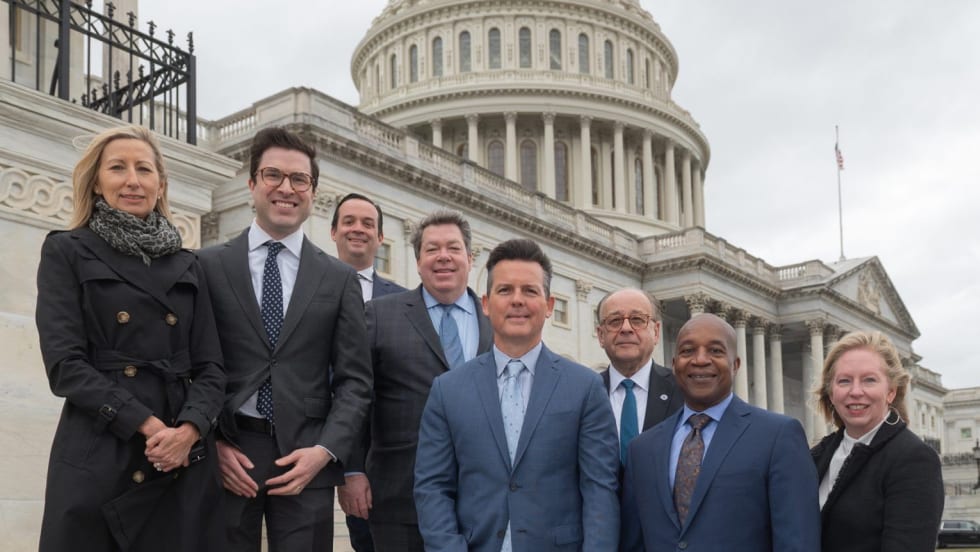
The Business Voice Behind Public Transportation
As chair of APTA’s Business Members Board of Governors, Ray Melleady explains how more than 850 business members are partnering with transit agencies to advance funding, innovation, and industry-wide collaboration.
Read More →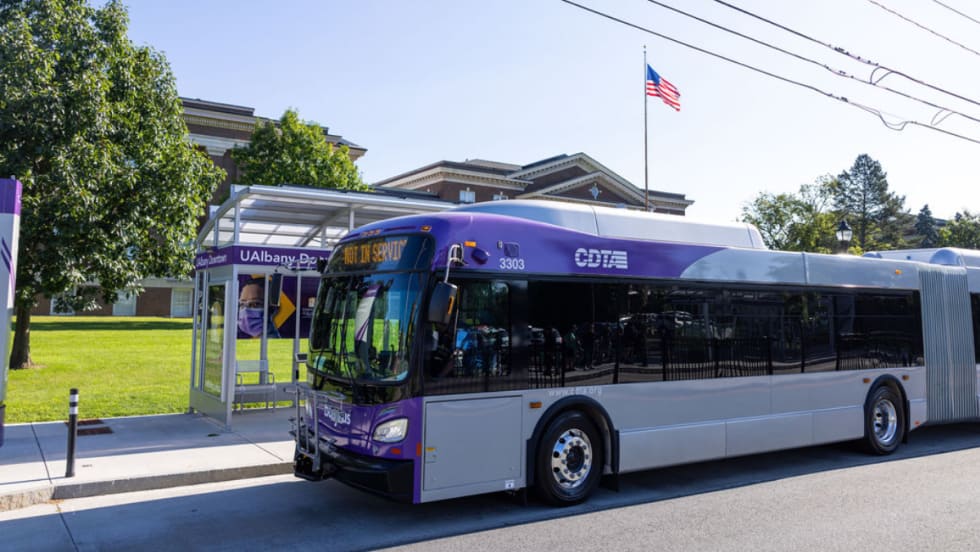
New York’s CDTA Service Rebalancing Boosts Productivity, On-Time Performance
Despite a slight dip in ridership, the agency’s FY2026 results show its service rebalancing strategy is helping the agency carry more riders per service hour while improving reliability.
Read More →
People Movement: ABC Names John Walsh as Chief Commercial Officer
In this edition, METRO also covers recent appointments and announcements at the DART, STV, and more, showcasing the individuals helping to shape the future of transportation.
Read More →
From Surviving to Thriving: Building Stronger Transportation Organizations
Bus Business Consultants founder Brian Dickson shares lessons on leadership, organizational health, and creating options for long-term success in a changing transportation industry.
Read More →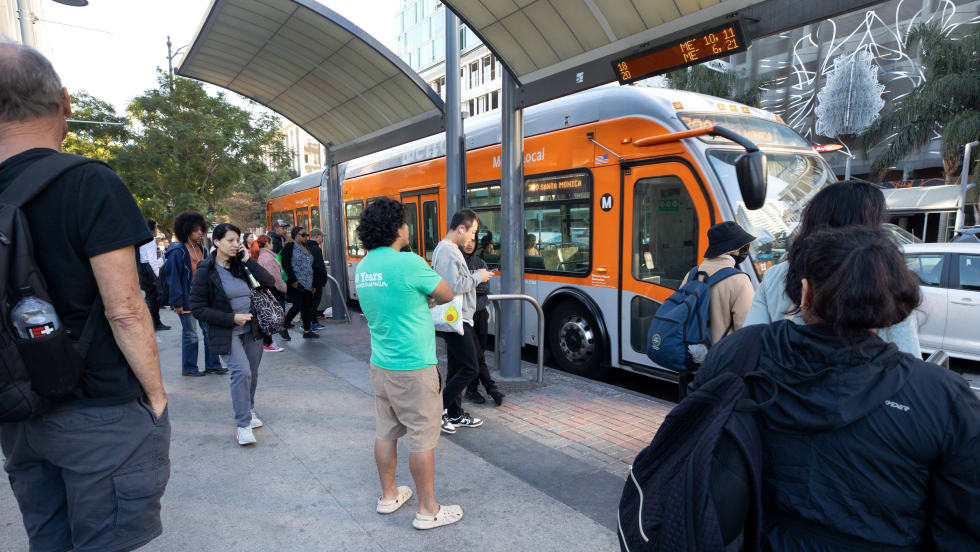
LA Metro Ridership Continues Growth as Rail Gains Accelerate
New rail connections and major events help drive continued ridership gains, with Metro recording its eighth consecutive month of year-over-year rail growth.
Read More →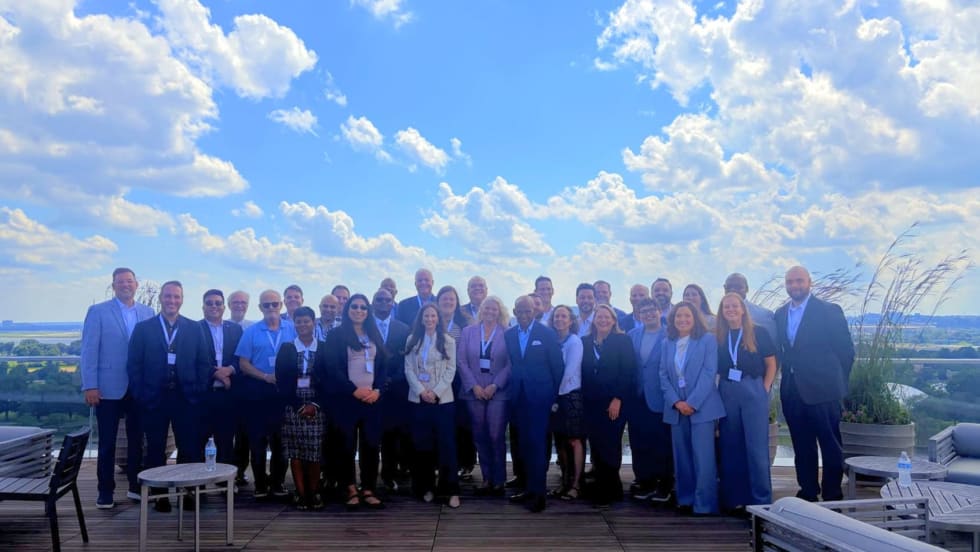
TransDASH Summit Focuses on Measuring What Matters in Transit
Transit agencies unveil a national performance platform designed to benchmark customer experience, safety, community value, and other outcomes.
Read More →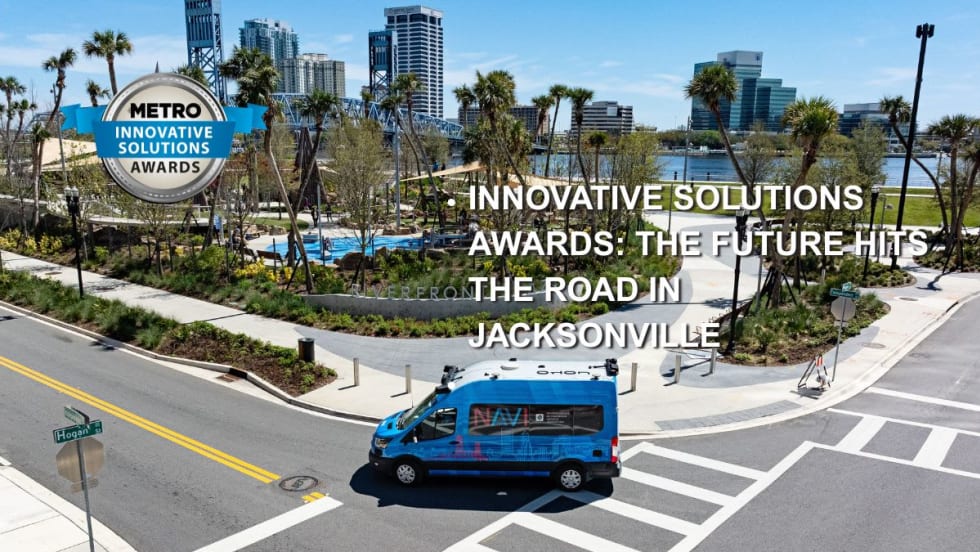
Jacksonville’s NAVI Project Charts a New Course for Autonomous Public Transportation
Through its NAVI program, JTA is showing how autonomous vehicles, intelligent infrastructure, and coordinated operations can work together to deliver everyday public transportation.
Read More →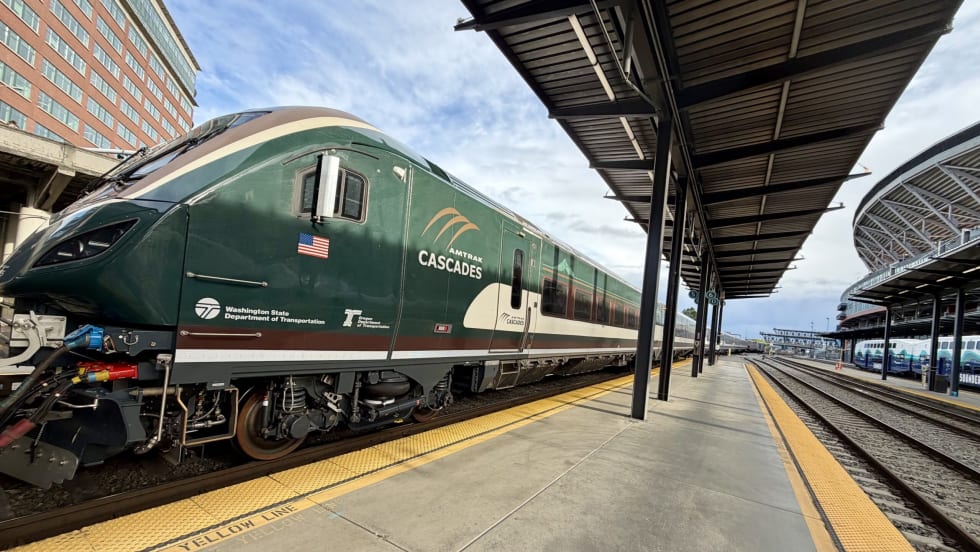
FRA Announces $5.3B in Rail Investments, Including $2B for Amtrak
Funding will support grade-crossing improvements, infrastructure upgrades, and new Amtrak equipment in 23 states.
Read More →
Finding the ‘Happy Medium’: Optimizing Maintenance Without Sacrificing Reliability
The key to maintenance optimization isn’t doing less work—it’s doing the right work at the right time on the right assets.
Read More →