



Downsizing Revealed in Top 100
METRO’s Transit Bus Fleet survey shows decreased fleet numbers for 46% of agencies listed.
Decreasing fleet numbers appear to be a growing trend among METRO’s annual Top 100 Transit Bus Fleets. Overall, fleet numbers show a decrease of 665 buses from last year for a total of 59,374 vehicles. The past two years have shown a steady rise in the number of agencies (46%) downsizing their fleets, a figure that should shrink once the economy bounces back. Once again MTA New York City Transit claimed the No. 1 spot in the Top 100. With 4,600 buses, New York easily surpasses its closest competitor, No. 2 New Jersey Transit Corp., by 1,658 buses. After a consistently steady rise in the rankings over the past years, RTD Denver managed to break into the Top 10, garnering a spot at No. 9 by adding 66 vehicles to its fleet of 1,309 buses. Listings in the Top 10 stronghold remain virtually unchanged. Despite Denver’s breakthrough, the Southeastern Pennsylvania Transportation Authority and New York City Department of Transportation hung on by tying for the No. 10 spot with 1,300 buses apiece. A record number of ties revealed themselves in this year’s listing — six total, including a three-way tie for No. 70. Another standout in the rankings is RTC of Clark County/Citizens Area Transit of Las Vegas, which made the highest jump (20 places) for a position at No. 44. RTC was also one of the few agencies that sizably increased its fleets (by 91 buses) this year. Bus-buying projections are also down, with agencies shortening their shopping lists by 456 buses, a 7.5% decrease from 2001. In addition, transit agencies plan to rehab 1,522 buses, down 11% from the previous year. Forty-eight of the fleets listed are 100% compliant with the Americans with Disabilities Act, a 7% increase. Overall, 48,927 buses are wheelchair accessible, making up 82% of the combined North American bus fleet total. Low-floor buses account for 22% of the total, numbering 12,830 buses. Transit fleet composition remains stable, with buses longer than 35 feet (47,442) comprising the usual majority at 80%. Buses under 35 feet (8,207) dropped slightly to 13.8% of the fleet mix. The average fleet size for the Top 100 is 594 buses, landing closest to No. 32 ranked Detroit Department of Transportation which has 591 buses. Joining the list this year are C-Tran of Vancouver, Wash., (No. 94) and Lane Transit District of Eugene, Ore., with 160 and 123 buses respectively. Lane Transit’s fleet count also marks the cutoff number for our survey, making it No. 100 on the list. More than half of the participants (54%) that responded to our survey have alternative-fuel vehicles within their fleets. Compressed natural gas (CNG) is the fuel of choice for 77% of alternative-fueled fleets. Hybrid electric technology is the second-highest fuel of choice, used by 14 fleets. At nine total, fleets using liquified natural gas, bio-diesel and propane as fuel alternatives comprised the smallest number of fleets. The fleet with the largest number of alternative-fuel vehicles (1,862) is the Los Angeles County MTA, with 79% of its fleet dedicated to CNG. To see the complete survey, click here.
More Management

People Movement: Connectpoint Expands Leadership Team, Stadler Names New Group CEO, and More
In this edition, we also spotlight recent personnel moves at Burns, UZURV, and more, highlighting the people taking on new roles across the transportation industry.
Read More →
More Than a Summer Job: Building the Next Generation of Transit Talent
The Delaware River Port Authority and PATCO have transformed their internship program into a hands-on professional development experience that introduces students to the breadth of transportation careers — and creates a pipeline for future employees.
Read More →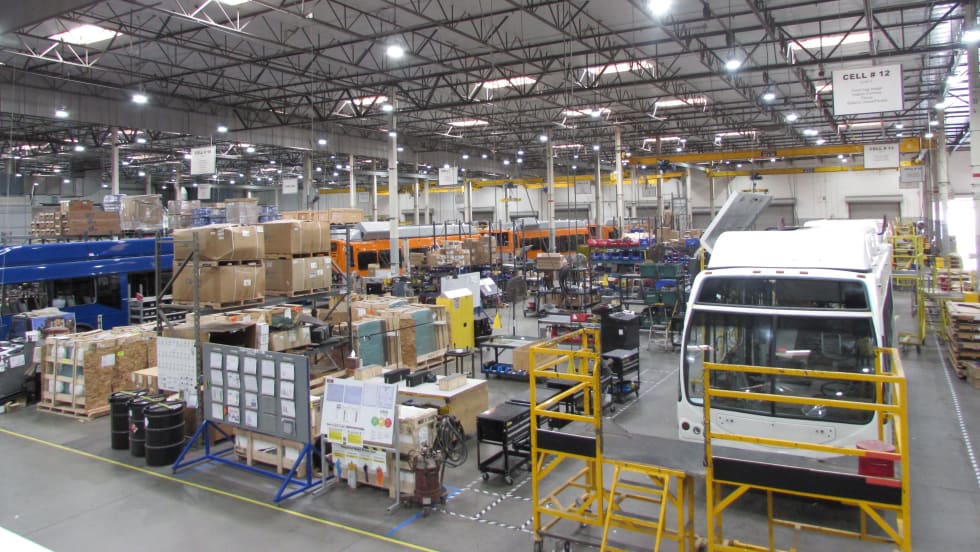
LA Metro Board Awards 220 Battery-Electric Bus Contract to ENC
The contract, which is the largest base award of battery-electric buses by a U.S. transit agency, will be built in Southern California, sustaining good jobs as LA prepares to welcome the world in 2028
Read More →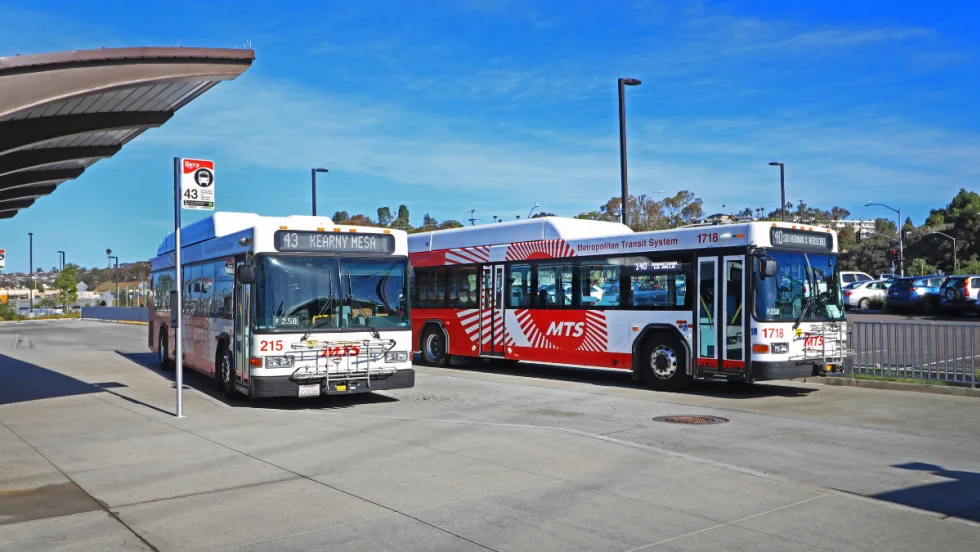
What’s Behind San Diego MTS’s Award-Winning Transit Strategy
Named one of APTA’s 2026 Outstanding Public Transportation Systems with 50 million or more annual passenger trips, California’s San Diego Metropolitan Transit System points to gains in ridership, safety, technology, and reliability as foundations of its success.
Read More →
Public Transit Conference Returning to GFX in 2027, Call for Papers Now Open
The Call for Papers is now open, allowing transit agency professionals and industry experts to help shape the PTC educational program by submitting session ideas for consideration.
Read More →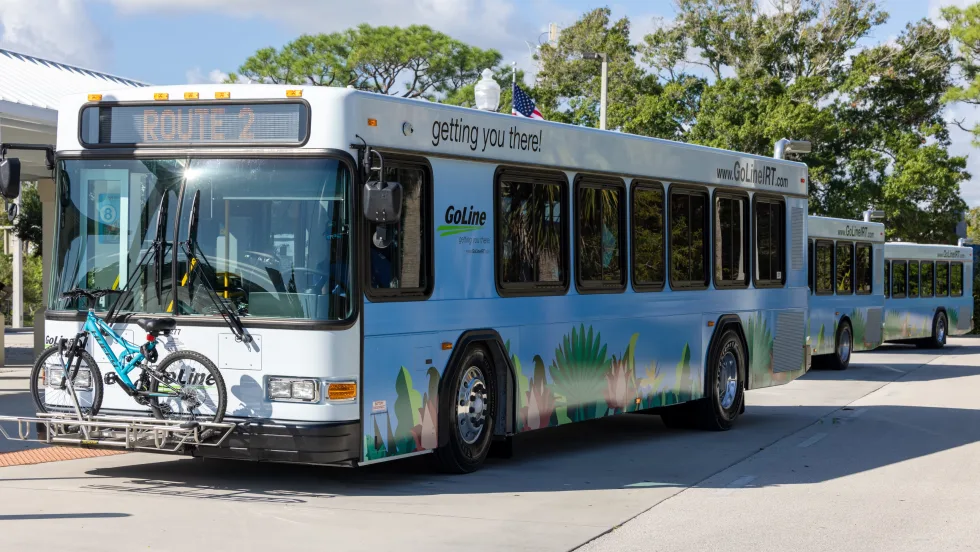
Indian River Transit’s Community-Focused Approach Earns National Recognition
Named APTA’s 2026 Outstanding Public Transportation System in its size category, Florida’s Indian River County transit system continues to grow ridership through fare-free service and a focus on evolving community needs.
Read More →
ENC Lands MATA Contract and More in Biz Briefs
In this edition of Biz Briefs, we spotlight the latest developments shaping the future of mobility.
Read More →
From Surviving to Thriving: Building Stronger Transportation Organizations
Bus Business Consultants founder Brian Dickson shares lessons on leadership, organizational health, and creating options for long-term success in a changing transportation industry.
Read More →
Everett Transit, Community Transit Outline Consolidation Agreement
The proposed agreement calls for a 50% increase in bus service in Everett, a new microtransit zone, continued paratransit service, and the transfer of Everett Transit operations to Community Transit.
Read More →
Strada360’s Steve Lassey on Turning Transit Data Into Better Decisions
From breaking down data silos to preparing for AI, Strada360 CEO Steve Lassey discusses how transit agencies can use technology to improve operations, customer information, and long-term decision-making.
Read More →